When it comes to protecting your skin from the sun, wearing a broad-spectrum sunscreen is one of the best moves you can make. However, if you’ve been hearing about infrared rays and the role they can play in photoaging, you might be wondering if there’s anything else you can do. One of the next-level advancements in skin care is infrared sunscreens, which give you the broad-spectrum UV protection you need and also go the extra mile to help provide some defense against infrared rays, another little-known threat from the sun. Follow along as we dive into questions such as:
What are infrared rays?
Ultraviolet (UV) rays from the sun can cause real damage to your skin, and there are two types: UVA and UVB. UVA rays are a main cause of dark spots, fine lines and wrinkles, loss of skin elasticity and other signs of photoaging, while UVB rays are what cause painful sunburns, not to mention skin cancers such as melanoma.
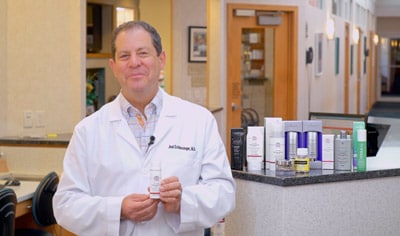
UV light is only one part of what reaches us from the sun. Another portion is made up of infrared rays, which make up about 40% to 54% of the light that hits your skin on a daily basis “When infrared radiation penetrates your skin, your body converts it to heat,” says board-certified dermatologist and LovelySkin CEO Dr. Joel Schlessinger. “This is why your skin feels warm under the sun.”
How do infrared sunscreens help your skin?
IRA rays penetrate skin more deeply than either UVA or UVB rays, passing through the epidermis and dermis into the subcutaneous layer. These rays are responsible for the warmth you feel on your skin when you’re out in the sun, but they also generate free radicals that cause collagen breakdown and accelerate skin aging.
Broad-spectrum sunscreens help protect your skin from UV damage by blocking UV rays. “Though today’s sunscreens don’t block infrared rays, there are some formulas out there that provide some defense against the potentially damaging effects of IR,” Dr. Schlessinger says. “They do this with the help of antioxidants and other innovative ingredients to help offset the potential damage from free radicals.”
Our favorite IR sunscreens with infrared defense
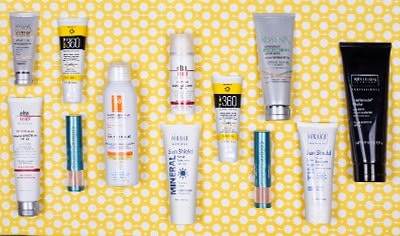
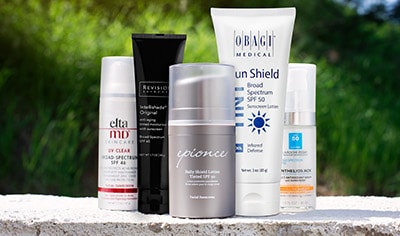
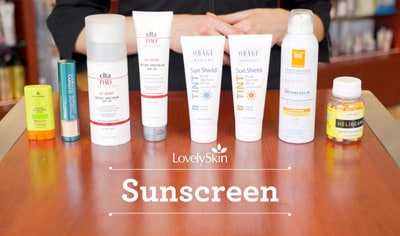
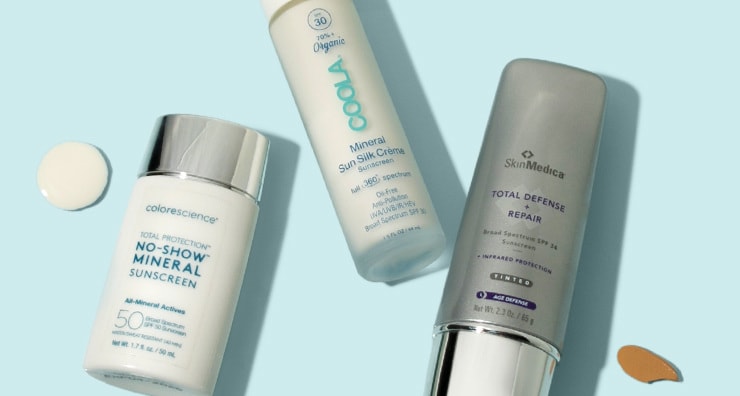
“When it comes to sunscreens, infrared defense isn’t measured or regulated by the FDA, so it’s important to choose reputable brands that are committed to not only clinical research but also high-quality ingredients in their formulas,” Dr. Schlessinger says. Here are a few of our favorite infrared sunscreens to consider adding to your sun care lineup.
Obagi Medical Sun Shield Tint Broad Spectrum SPF 50
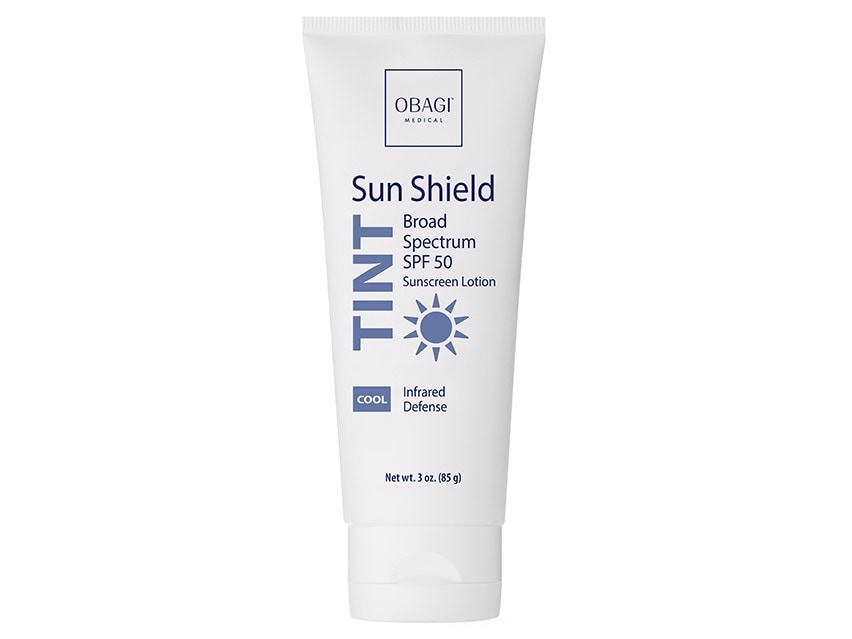
This broad-spectrum sunscreen from Obagi contains IR Technology that helps provide infrared defense in three different ways. First, it helps disperse heat at the surface of your skin using thermic micro-shield crystals. Then, it helps buffer your skin from heat-derived oxidation and also helps support your skin’s resiliency against infrared radiation with antioxidant ingredients. It also protects against UVA and UVB rays with a combination of mineral filters (zinc oxide and titanium dioxide) as well as chemical blockers (homosalate and octinoxate). This formula also comes in two shades that perfectly blend into warm and cool skin undertones.
Colorescience Total Protection No-Show Mineral Sunscreen SPF 50
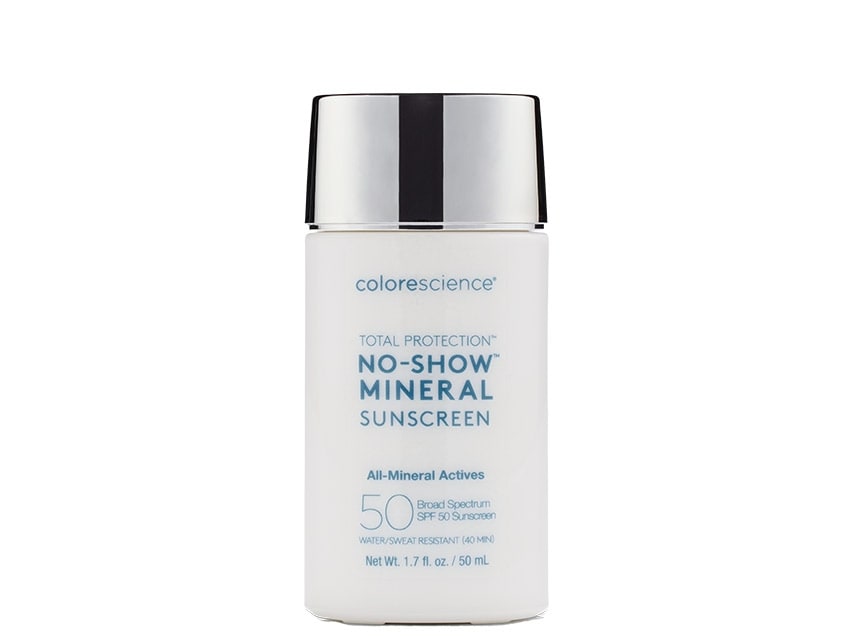
If you’re seeking an all-mineral sunscreen with infrared defense, Colorescience is a specialist in mineral sun care and infrared defense is a key benefit of their formulas. This sheer, easy-to-blend sunscreen contains EnviroScreen Technology that helps protect against UVA and UVB rays and also provide defense against infrared light and blue light. It’s formulated with an innovative non-nano zinc oxide that provides serious sun protection without the telltale white cast.
Elta MD UV Restore Broad Spectrum SPF 40 Anti-Aging Facial Moisturizer
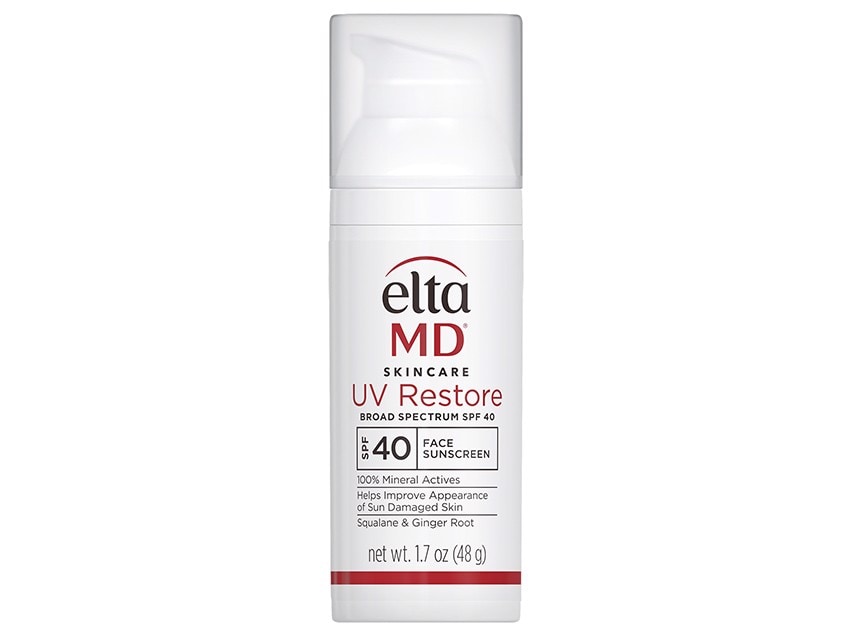
Another all-mineral option, this face sunscreen from EltaMD protects skin from UVA and UVB rays with a blend of titanium dioxide and zinc oxide and also contains antioxidants for an added layer of defense against infrared radiation. As an anti-aging boost, it also contains squalane to boost moisture retention and ginger root extract to help target visible signs of photoaging such as dark spots, wrinkles and dull texture. Lastly, you can choose from tinted and untinted formulas to best fit your needs.
Choosing a high-quality sunscreen is the first step in sun safety. Next, you can learn about how long your sunscreen lasts and when you should replace it on the LovelySkin Blog.

About the Author
Aaron serves as Editor at LovelySkin. Since graduating from the University of Nebraska at Omaha in 2016 with degrees in Creative Writing and English, he has immersed himself in the beauty industry. When he’s not writing about the latest beauty trends, he spends time cuddling his dogs, scouring antique stores, playing tennis and hiking.
Other Posts by Aaron8 best retinol products for aging skin
How to use OLAPLEX hair care products fo...
Follow us on social
Follow us on social networks and be one of the first to learn about sales, giveaways, and free samples