Beef tallow for skin: Why your dermatologist isn't jumping on this viral trend

With its rustic appeal and alleged nourishing benefits, beef tallow for skin has become the latest viral trend sweeping social media. From DIY beauty enthusiasts to natural skin care advocates, the internet is abuzz about beef tallow, claiming it could be the key to glowing, healthy skin. However, before you raid your local butcher, dermatologists caution that not every viral skin care trend is backed by science.
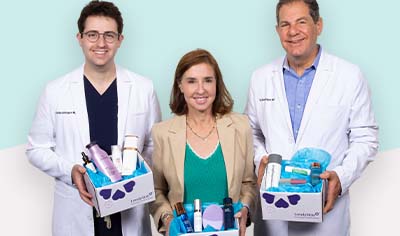
To help separate fact from fiction, board-certified dermatologists, Mohs surgeons and cosmetic surgeons, Drs. Joel and Daniel Schlessinger share their expert take on why this trend may not be all it’s cracked up to be. In this blog, we’ll discuss:
- What is beef tallow?
- Is beef tallow good for skin?
- The risks of using beef tallow on skin
- What to use instead of beef tallow
- The bottom line on beef tallow for skin
What is beef tallow?
Beef tallow is rendered fat from cattle, typically obtained by slowly cooking and straining beef fat until it becomes a solid, waxy substance at room temperature. Some skin care enthusiasts claim grass-fed beef tallow for skin is beneficial due to its nutrient profile, which includes vitamins A, D, E and K, along with saturated fats that supposedly mimic skin's natural sebum.
Dr. Joel Schlessinger explains, “From a chemical standpoint, beef tallow does contain some beneficial components, but that’s where the benefits end and the negatives far outweigh the positives. It's rich in saturated fats and fat-soluble vitamins, which can theoretically provide some moisturizing benefits. However, it lacks the rigorous testing and safety profile we expect from modern dermatologic products.”
Is beef tallow good for skin?
The short answer: not really. Despite the popularity of this trend on social media, there’s little scientific data to back up the glowing claims.
“Patients often tell us they try beef tallow because it is natural and free of chemicals. The problem is that just because something is natural doesn’t mean it’s safe or effective,” explains Dr. Daniel Schlessinger. “If the idea of beef tallow appeals to you, then you may as well save the inedible, fatty chunks from your steak and use them as a moisturizer. There is essentially little, if any, difference.”
Since beef tallow is organically derived, each batch is different and some may be prone to impurities. In addition, the tallow is so thick that it may clog pores and lead to acne or breakouts.
Dr. Joel Schlessinger adds, “No well-designed clinical studies have shown that beef tallow is superior to, or even equivalent to, dermatologist-recommended moisturizers. In fact, because it’s animal-derived, it may actually increase the risk of irritation, clogged pores or even infection.”
The risks of using beef tallow on skin
While beef tallow might sound appealing to those seeking natural or holistic alternatives, dermatologists have several concerns about this trend, including:
- Bacterial contamination: Unlike sterile, lab-tested formulas, tallow can harbor bacteria if not processed correctly, potentially resulting in infection.
- Acne flare-ups: Heavy animal fats may clog pores and worsen breakouts.
- Allergic reactions: Natural doesn’t mean hypoallergenic and some may develop redness, rashes or itching.
- Ethical and sourcing concerns: Even organic beef tallow for skin or grass-fed beef tallow for skin may vary widely in quality and purity.
- Lack of scientific evidence: There's little, if any, peer-reviewed research supporting the benefits of beef tallow for skin health.
“Using beef tallow is essentially applying an unregulated product directly to your skin. That’s not something we recommend when there are safe, effective alternatives readily available that are cruelty-free,” says Dr. Joel Schlessinger.
“Commercial skin care products undergo rigorous testing and preservation systems that ensure safety and stability. That is something you can't guarantee with homemade beef tallow products.”
What to use instead of beef tallow
Modern skin care products have evolved to deliver targeted benefits with ingredients that have been extensively researched and tested. Additionally, these formulas are pH-balanced, have the appropriate concentrations of active ingredients with preservation systems that ensure product safety and efficacy over time.
“We have decades of research supporting ingredients like hyaluronic acid, ceramides, cocoa butter, shea butter and niacinamide," Dr. Joel Schlessinger explains. "These ingredients are all natural, organic compounds but are often synthesized in a controlled manner. That way, they are safe, effective, and reproducible.”
Dr. Daniel Schlessinger adds, “These ingredients are not only well-studied but also found in formulations that are sterile, stable and designed to support skin health.”
- Ceramides restore the skin barrier
- Hyaluronic acid provides lightweight hydration
- Niacinamide calms redness and improves texture
- Cocoa, shea butter and squalane deeply moisturize skin without clogging pores
The bottom line on beef tallow for skin
While TikTok trends can be entertaining, dermatologists urge caution before replacing your moisturizer with kitchen concoctions. Beef tallow moisturizers and DIY recipes may sound appealing, but ultimately they are all sizzle and no steak.
“Your skin deserves better than untested fads—and fats,” shares Dr. Daniel Schlessinger. “I recommend sticking with products that have been clinically validated. That way, you know you’re using something safe and effective for your skin.”
Dr. Joel Schlessinger concludes, “My advice to patients is that if something sounds too good to be true, it probably is. Rather than experimenting with unproven trends, invest in products with ingredients that have solid scientific backing and are formulated to be safe and effective.”
Interested in finding the perfect skin care products for your skin without breaking the bank? Discover the best derm-approved, affordable skin care picks on the LovelySkin blog.
SkinMedica’s top 5 firming products for ...
Next-level pimple patches from La Roche-...
Follow us on social
Follow us on social networks and be one of the first to learn about sales, giveaways, and free samples