Though hypochlorous acid sounds like something that belongs in a chemistry lab, it’s actually a naturally occurring substance your body creates to stave off infection after skin injuries. Its powerful disinfectant qualities have made hypochlorous acid a popular pick in household cleaners as well as skin care treatments, from post-surgery care to acne prevention. We looked to Drs. Joel and Daniel Schlessinger, the board-certified dermatologists, Mohs surgeons and cosmetic surgeons behind Schlessinger MD, to answer our questions about this interesting ingredient, including:
What are the benefits of hypochlorous acid for skin?
“Hypochlorous acid has the dual benefits of effectively destroying bacteria and viruses without irritating skin,” LovelySkin CEO Dr. Joel Schlessinger says. “In a surgical setting, physicians often use hypochlorous acid to aid in healing by keeping surgery sites clean. It can also be used on skin injuries, such as burns.”
Hypochlorous acid can also play a role in post-procedure healing as well. “After an ablative procedure, such as laser treatment, microdermabrasion or a chemical peel, hypochlorous acid helps ensure proper healing by reducing bacteria that could lead to infection,” says LovelySkin Medical Director Dr. Daniel Schlessinger.
What is the best hypochlorous acid spray?
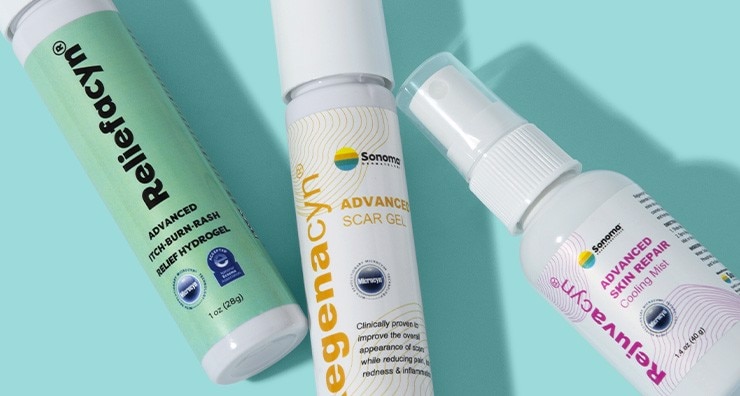
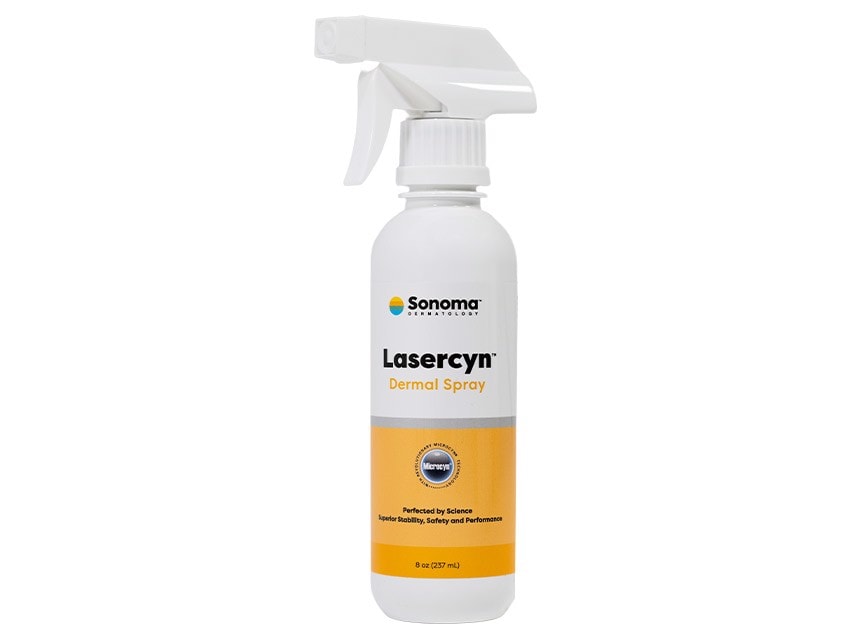
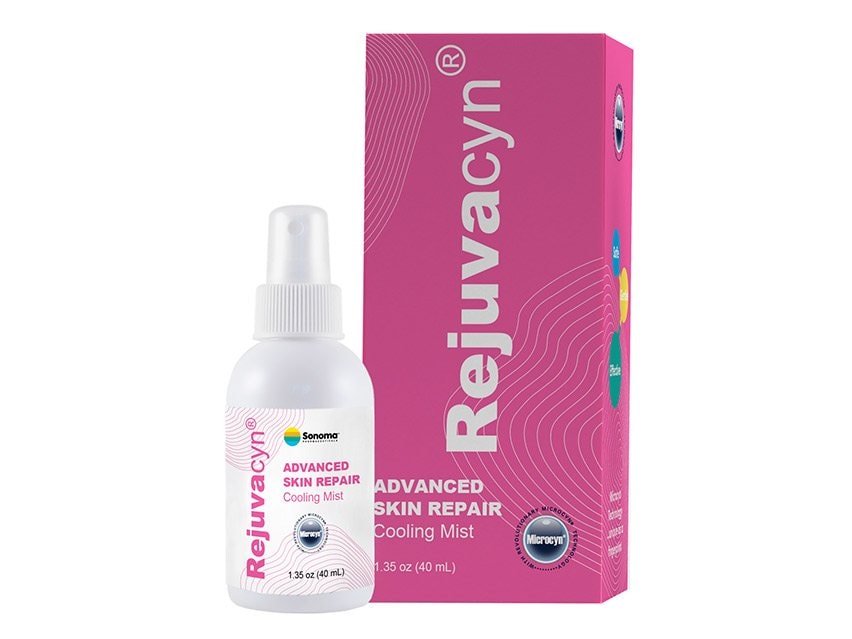
If your dermatologist recommends applying hypochlorous acid after an in-office treatment, such as a chemical peel or laser treatment, a spray format is a convenient way to apply it without having to touch tender skin. Often used by dermatologists themselves before or after procedures, Lasercyn Dermal Spray is formulated with pure, stabilized hypochlorous acid and is available for at-home use. Another option is Rejuvacyn Advanced Skin Repair Cooling Mist, which provides a gentle cooling effect and also helps soothe itchiness and irritation with baking soda.
What other products feature hypochlorous acid for skin?
Sprays aren’t the only option when it comes to hypochlorous acid. Lasercyn Post Procedure Gel features hypochlorous acid in a gel format, ideal for use after laser treatments or chemical peels.
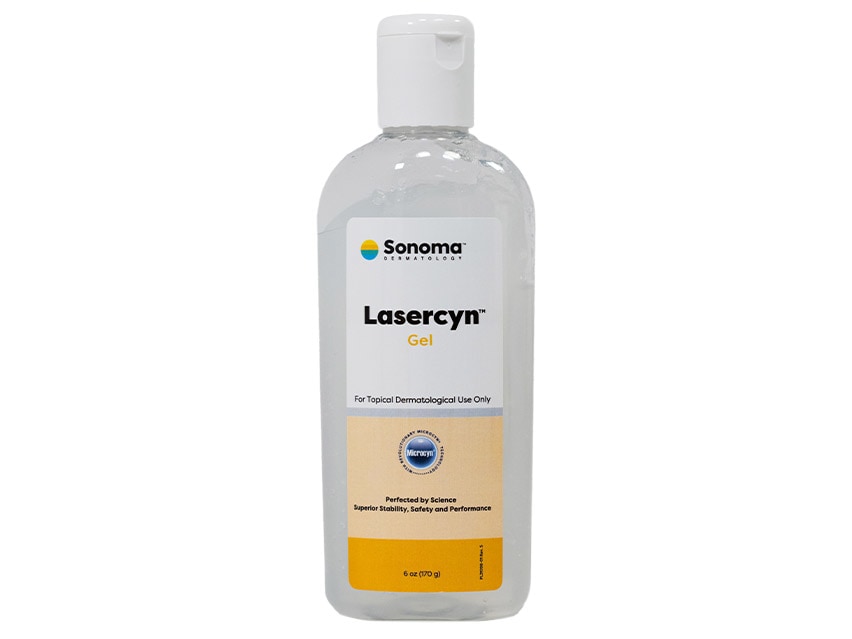
“Because this gel also contains a low concentration of sodium hypochlorite, also known as bleach, it can help treat minor skin irritations, such as atopic dermatitis,” Dr. Daniel Schlessinger says. “If you’re applying it to post-procedure skin, be sure to wash your hands thoroughly beforehand, so you don’t risk introducing any new dirt or bacteria to your skin during application.”
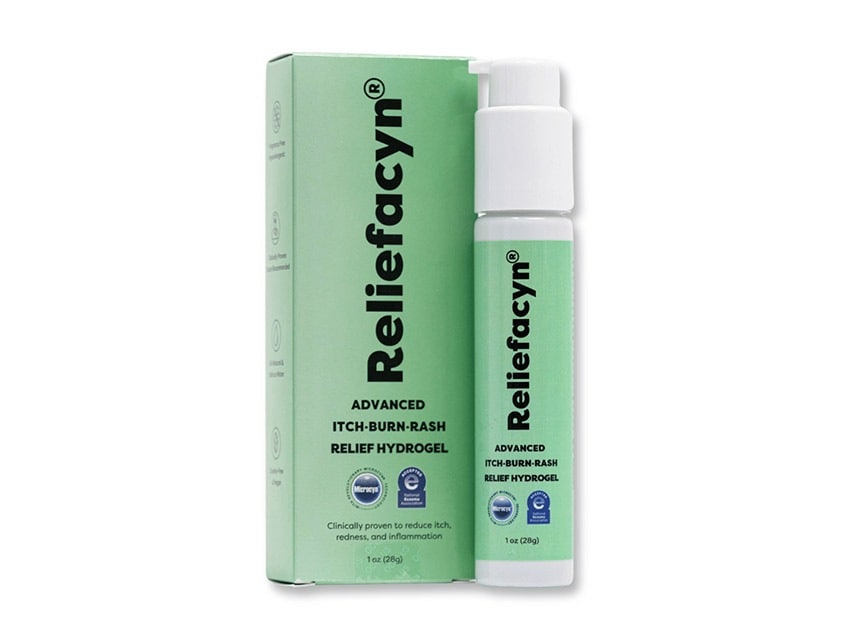
Hypochlorous acid products also help with wound care. Formulated specifically for treating rashes and burns, Reliefacyn Advanced Itch-Burn-Rash-Pain Relief Hydrogel contains hypochlorous acid and sodium hypochlorite with the addition of dimethicone, which helps form a protective barrier on your skin to reduce discomfort.
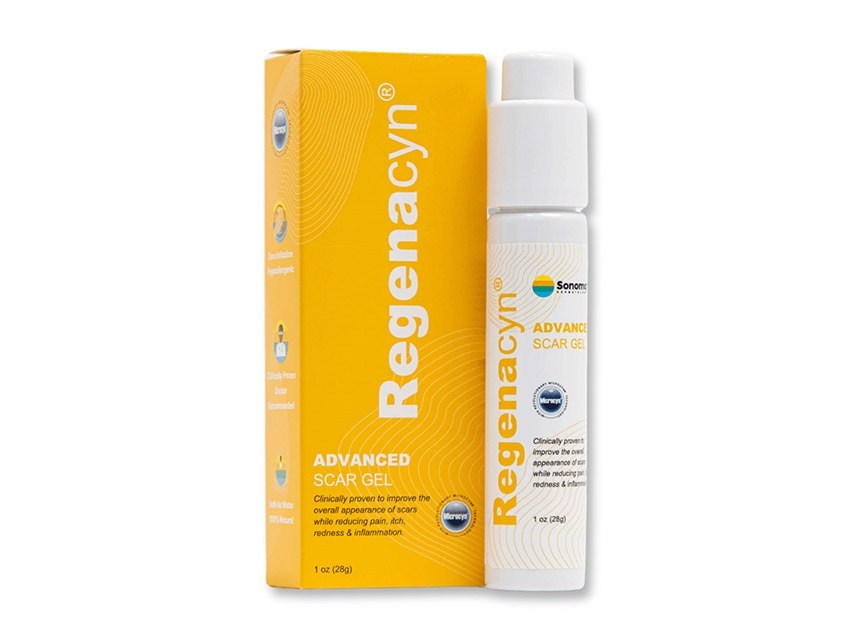
For wounds or open cuts at risk of scarring, consider Regenacyn Advanced Scar Gel. “This formulation was created with post-surgery scars in mind,” Dr. Joel Schlessinger says. “Most drug-store scar gels are made with 100% silicone, and this scar gel also contains hypochlorous acid and sodium hypochlorite. In clinical studies, it improved the appearance and pliability of scars by up to 40% based on the Vancouver Scar Scale, which dermatologists use to quantify the severity of a scar.”
Can you use hypochlorous acid for acne?
“Acne is often triggered by underlying skin infections, such as Staph infection or yeast. Since hypochlorous acid is antibacterial, as well as anti-inflammatory and antifungal, it treats many components of acne” Dr. Daniel Schlessinger says. “This also means it can also help treat chronic inflammatory skin conditions, such as psoriasis and eczema, where there is a great deal of inflammation and also disruption of the skin microbiome.”
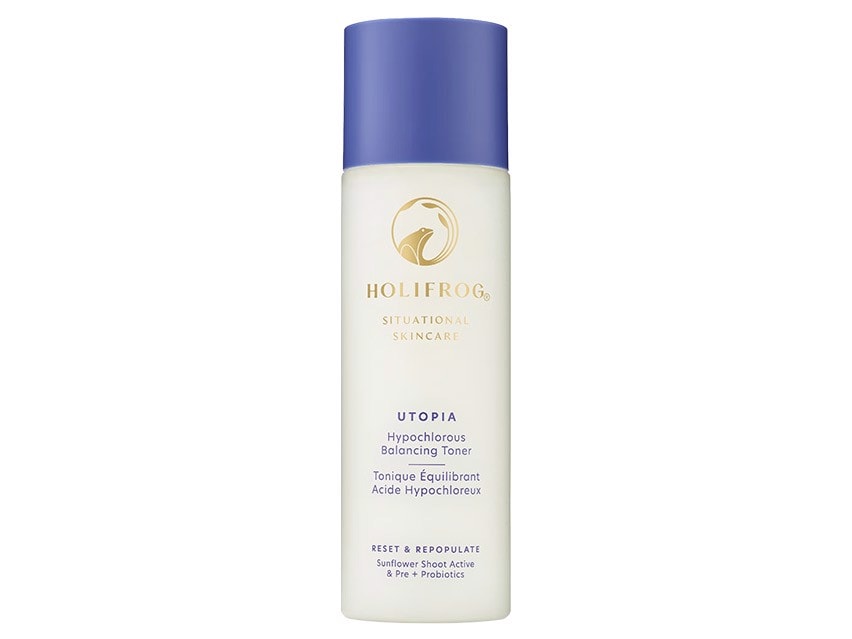
Skin care makers are incorporating hypochlorous acid into formulas that aim to bring skin into balance and reduce breakouts. One such product is HoliFrog Utopia Balancing Microflora Probiotic Daily Toner. Though it’s a toner by name, the texture leans toward an essence or a serum. It contains hypochlorous acid to help remove any lingering bacteria after cleansing, and it also helps control oil production with black bee honey ferment.
Does hypochlorous acid bleach clothes?
Some skin care ingredients, like benzoyl peroxide, can cause bleaching or discolor fabrics. However, your towels and clothing are safe around hypochlorous acid.
Are you curious about the role sodium hypochlorite, another antimicrobial ingredient, plays in skin care? You can learn more about how CLn shampoos and body washes can help improve skin conditions, such as folliculitis, on the LovelySkin Blog.

About the Author
Aaron serves as Editor at LovelySkin. Since graduating from the University of Nebraska at Omaha in 2016 with degrees in Creative Writing and English, he has immersed himself in the beauty industry. When he’s not writing about the latest beauty trends, he spends time cuddling his dogs, scouring antique stores, playing tennis and hiking.
Other Posts by AaronThe best 6 hair masks for bleached hair
Protect your skin for summer with Vichy ...
Follow us on social
Follow us on social networks and be one of the first to learn about sales, giveaways, and free samples