In the ever-evolving world of skin care, "exosomes" have emerged as a buzzword, touted as the next big thing in skin rejuvenation. But are they truly a breakthrough, or just another fleeting trend? Before you book that exosome facial or invest in exosome-infused products, dermatologists urge caution that this trend may be more hype than results.
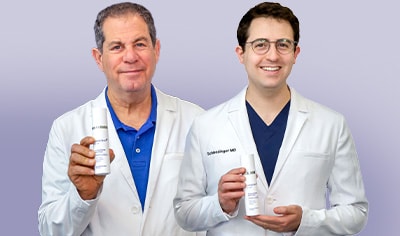
To help separate science from marketing spin, board-certified dermatologists, Mohs surgeons and cosmetic surgeons, Drs. Joel and Daniel Schlessinger share their expert insights on why the exosome craze deserves some scrutiny. In this blog, we'll discuss:
- What are exosomes?
- Where do exosomes come from?
- Do exosomes actually work?
- A dermatologist's perspective on exosomes
- Evidence-based alternatives to exosomes
What are exosomes?
Exosomes are tiny extracellular vesicles that are naturally released by cells throughout the body. These microscopic particles carry proteins, lipids and genetic material between cells and play a role in cell-to-cell communication.
In recent years, the beauty industry has latched onto exosomes, promoting them as a cutting-edge solution for skin rejuvenation, wound healing, hair loss and anti-aging. Exosomes are marketed in various forms, including topical serums, exosome injections, exosome facials and microneedling with exosomes.
Dr. Daniel Schlessinger explains, “One of the biggest issues with exosomes is the way they are marketed. The term 'exosome' is very non-specific, so it’s impossible to know exactly what you are getting or where these exosomes are derived from. It’s a catch-all term that doesn’t have much science to back up the claims.”
Where do exosomes come from?
This is where things get murky. Exosomes used in skin care products and treatments can be derived from various sources, including human stem cells, plant cells, animal tissues or even cultured from umbilical cord blood or bone marrow.
"Another major concern with exosome therapy is the lack of standardization and regulation," says Dr. Joel Schlessinger. “Where the exosomes come from, how they're processed, what they actually contain and whether they're even viable when applied to skin are all question marks. Unlike FDA-approved treatments and formulas, most exosome products on the market haven't undergone rigorous safety and efficacy testing.”
Dr. Daniel Schlessinger adds, “There are certain products that contain exosomes and we know what is in them, like SkinMedica's TNS Recovery Complex. That is what we should aspire towards.”
Do exosomes actually work?
According to marketing claims, exosomes deliver growth factors that stimulate collagen production, reduce inflammation and accelerate healing. Proponents suggest that exosome therapy can improve skin texture, tone and firmness while diminishing premature signs of aging.
While this sounds compelling, Dr. Joel Schlessinger notes, “The fundamental problem is that we don't have well-designed, peer-reviewed clinical trials demonstrating that exosomes applied topically actually penetrate the skin effectively, remain stable and produce meaningful improvements.”
Dr. Daniel Schlessinger emphasizes safety concerns, sharing, “Exosomes are not FDA-cleared for injection into the skin and should not be used as such. This also goes for microneedling exosomes or applying them after resurfacing laser treatments.”
“Patients are paying premium prices for treatments that, at best, may be no more effective than established therapies we already know work,” says Dr. Joel Schlessinger. “ At worst, they may actually harm you.”
A dermatologist's perspective on exosomes
Beyond the lack of clinical evidence, dermatologists have several significant concerns about the current exosome trend, including the lack of FDA approval, quality control issues, contamination risks, exorbitant costs and unsubstantiated claims.
Dr. Joel Schlessinger adds, "The exosome trend is currently operating on hope and hype rather than science. Until we have robust clinical data showing these products are safe and effective, I don’t recommend them to my patients, especially at the premium prices being charged."
Evidence-based alternatives to exosomes
Rather than experimenting with unproven exosome treatments, Dr. Joel and Dr. Daniel recommend focusing on evidence-based treatments supported by proven research for safety and efficacy.
Professional treatments such as microneedling, laser resurfacing, radiofrequency microneedling and chemical peels are all proven, effective treatments for smoothing, brightening and restoring youthfulness. Additionally, skin care ingredients like retinol, peptides, ceramides, hyaluronic acid and niacinamide have all been proven to nourish, plump and help rejuvenate skin.
"We have so many proven options for skin rejuvenation that actually work," explains Dr. Daniel Schlessinger. “While exosomes represent an interesting area of biological research, their application in aesthetic treatments is currently ahead of the science.”
"The beauty industry is always looking for the next big thing, and sometimes legitimate science gets co-opted before it's ready for clinical application," Dr. Joel Schlessinger adds. “Exosomes may eventually prove to be valuable in dermatology, but we're not there yet.”
Interested in adding proven skin care solutions to your beauty routine? Discover the benefits of niacinamide and vitamin C and learn how to use them like an expert.
How to help with Ozempic face with the a...
Your guide to SkinCeuticals serums
Follow us on social
Follow us on social networks and be one of the first to learn about sales, giveaways, and free samples