Board-certified dermatologists bust dandruff myths and misconceptions
With its telltale flakes and itchy scalp, dandruff can be irritating, distracting and uncomfortable all at once. “There are a lot of old wives’ tales out there about what causes dandruff and how to treat it,” says Dr. Joel Schlessinger, LovelySkin CEO. “Because some at-home remedies can worsen the itching and flaking, separating the truth from fiction when it comes to dandruff is really important.”
As board-certified dermatologists, Mohs surgeons and cosmetic surgeons, Drs. Joel and Daniel Schlessinger often see dandruff cases in their dermatology practice. We enlisted them to help bust some of the most prevalent dandruff myths circulating on the internet.
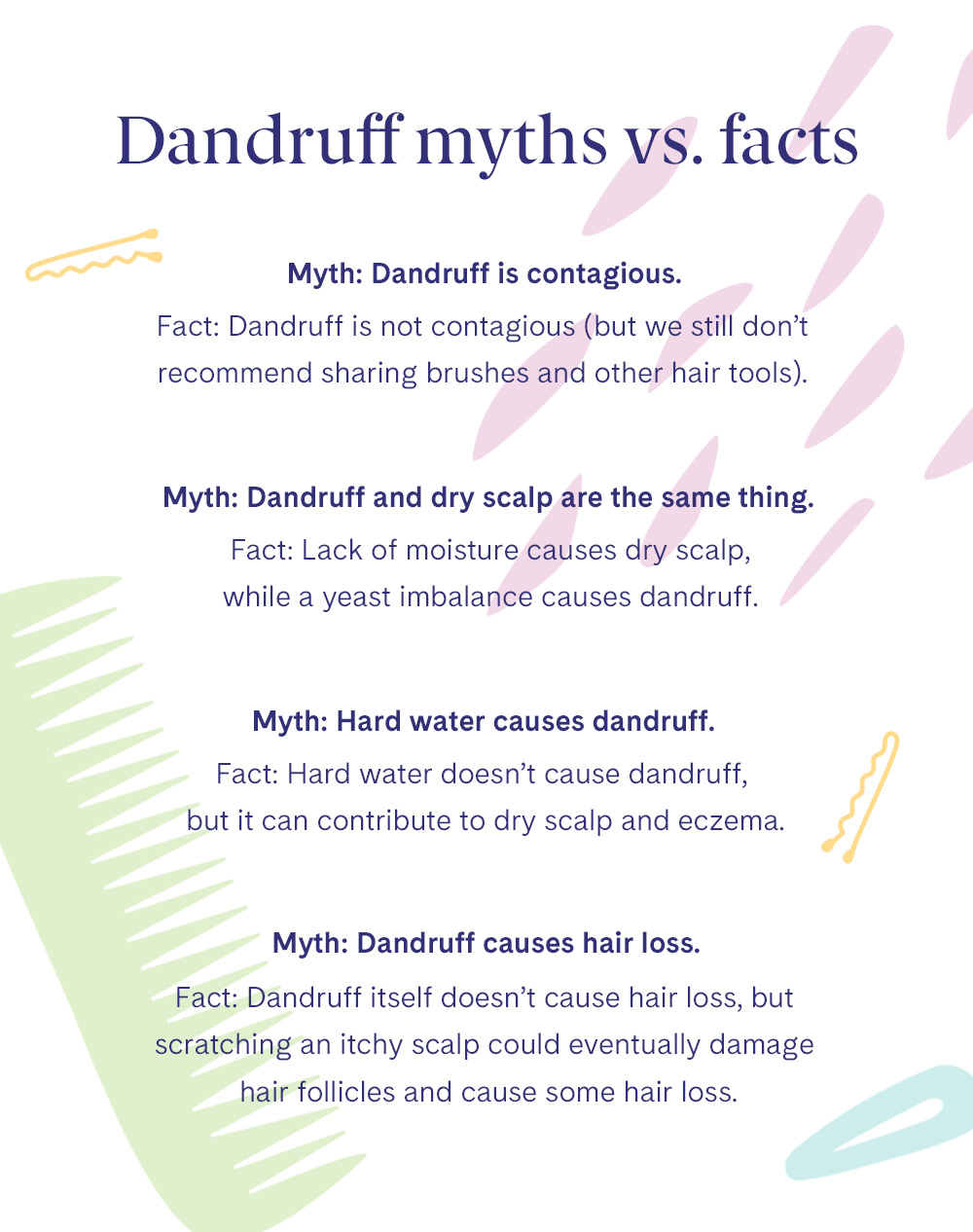
Are dry scalp and dandruff the same thing?
Dry scalp and dandruff are terms that are often used interchangeably, but they actually aren’t the same thing. Lack of moisture causes a dry scalp, while an overgrowth of yeast causes dandruff.
A yeast called Malassezia naturally occurs on the scalp, and studies have shown a correlation with the overgrowth of this yeast and dandruff. “Dry skin, dandruff and psoriasis are all on a spectrum that goes from the minor to the major, but there are often similarities between them,” Dr. Joel Schlessinger says.
He continues, “They can sometimes look similar on the scalp as well, depending on the person and the severity. When I see patients with dandruff in my office, I see large white or yellow flakes, itchiness, and excess oil on the scalp. Dry scalp, on the other hand, tends to present as small white flakes and a tight feeling on the scalp.”
Psoriasis, an autoimmune disorder, can also cause an itchy, flaky scalp, but it tends to look different than both dry scalp and dandruff. “Psoriasis on the scalp typically shows up as red plaques with a silvery scale,” says LovelySkin Medical Director Dr. Daniel Schlessinger. You can read more about the differences between dry scalp, dandruff and psoriasis in this blog post.
Is dandruff contagious?
Yeast is a type of fungus, which may lead you to wonder whether dandruff can be passed from one person to another, much like fungal infections like athlete’s foot.
“Dandruff isn't contagious, and Malassezia yeast naturally occurs on skin. This means you don’t need to worry about catching it from someone else or picking it up from shared surfaces,” Dr. Joel Schlessinger says. “With that being said, your own microbiome is what is best for you, so for that reason, we don't recommend sharing combs, brushes or other hair tools. I also personally ask my barber to make sure all their tools are washed off prior to using them on me.”
Can hard water cause dandruff?
Another myth about dandruff is that it’s caused by hard water, which has a high concentration of minerals such as magnesium and calcium. “Hard water doesn’t cause dandruff, but it can cause dryness, which can potentially worsen other skin conditions such as dry scalp, eczema and rosacea,” Dr. Daniel Schlessinger says.
Does dandruff cause hair loss?
From aging and hormonal changes to illness, hair loss happens for a variety of reasons, but dandruff isn’t to blame—at least not directly. “Dandruff itself doesn’t cause hair loss,” says Dr. Daniel Schlessinger. “However, if you have severe itchiness from dandruff or another condition, like psoriasis, and are scratching your scalp excessively, you could eventually damage your hair follicles, which could result in some hair loss.”
Does conditioner help with dandruff?
While medicated shampoos formulated to reduce dandruff can help improve your symptoms, conditioner may exacerbate them. “Conditioner usually makes dandruff worse because the oils in it feed the Malassezia yeast and contribute to overgrowth,” Dr. Daniel Schlessinger says. “People with dandruff are often conditioning more than shampooing and need to do the opposite, or at least, they should do them equally.”
When using conditioner in the shower or bath, Drs. Joel and Daniel Schlessinger recommend avoiding direct application to your roots and scalp, focusing instead on conditioning the ends of your hair.
Can you use coconut oil for dandruff?
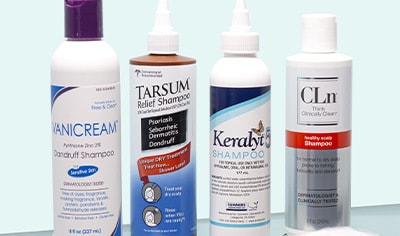
Like oil-rich conditioners (see above), coconut oil can actually exacerbate dandruff by worsening Malassezia yeast overgrowth. Instead of at-home remedies like coconut oil, Drs. Joel and Daniel Schlessinger recommend washing your hair with a medicated shampoo with zinc pyrithione, selenium sulfide, salicylic acid, ketoconazole or coal tar, which are all popular active ingredients for improving the flakes and itchy scalp associated with dandruff.
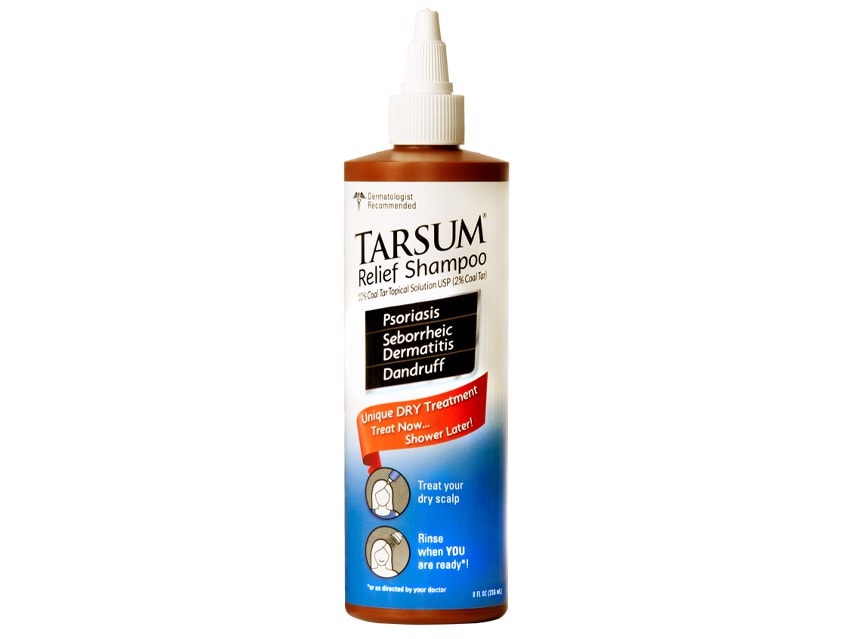
When it comes to medicated shampoos for dandruff, one of Dr. Joel Schlessinger’s top recommendations is Tarsum Relief Shampoo, which contains 2% coal tar and salicylic acid to help reduce scalp irritation, itching and flaking.
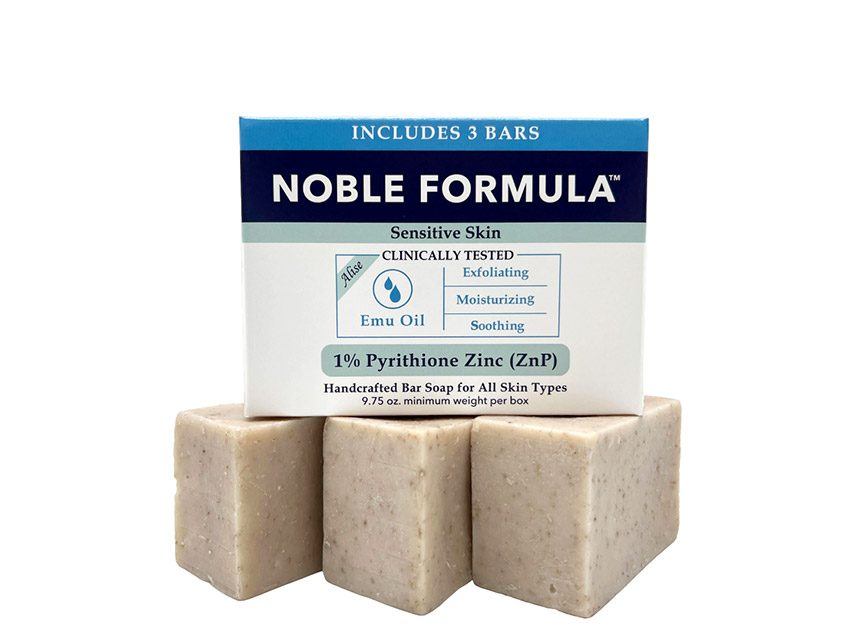
For bald or shaved heads, Noble Formula Emu Oil Bar Soap with 1% ZnP is a good option. It contains pyrithione zinc to treat dandruff as well as ground oatmeal, emu oil and calendula-infused olive oil to soothe itchiness.
“If your scalp isn’t improving after a few weeks of using a dandruff shampoo, I recommend visiting a board-certified dermatologist to confirm your itchy scalp is truly dandruff and not another skin condition or a symptom of an underlying medical issue,” Dr. Joel Schlessinger says.
MORE: Browse our favorite dermatologist-recommended dandruff treatments.
Can you use apple cider vinegar for dandruff?
Rinsing hair with apple cider vinegar is often touted as a DIY clarifying treatment that helps reduce buildup on your hair from hard water or styling products. However, Drs. Joel and Daniel Schlessinger don’t recommend apple cider vinegar for dandruff. “Apple cider vinegar reportedly has some antifungal properties, so I can see why people might think it makes a good at-home dandruff treatment, but using it on your scalp would most likely cause significant irritation and dryness,” Dr. Daniel Schlessinger says.
Can stress cause dandruff?
Stress can contribute to an array of health issues, from sleep problems and breakouts to stomach upset, so it’s not out of left field to wonder if stress causes dandruff. “The jury is still out on this one,” Dr. Daniel Schlessinger says. “It’s possible stress can contribute to microbiome problems, which could exacerbate yeast on the skin over time and worsen dandruff.”
Now that you know what’s fact vs. fiction when it comes to dandruff, you can learn about the best medicated dandruff shampoos, other common causes of scalp itch and how to exfoliate your scalp on the LovelySkin Blog.

About the Author
Aaron serves as Editor at LovelySkin. Since graduating from the University of Nebraska at Omaha in 2016 with degrees in Creative Writing and English, he has immersed himself in the beauty industry. When he’s not writing about the latest beauty trends, he spends time cuddling his dogs, scouring antique stores, playing tennis and hiking.
Other Posts by AaronHow to improve calluses and dry skin on ...
The best firming serums for every skin t...
Follow us on social
Follow us on social networks and be one of the first to learn about sales, giveaways, and free samples