Whatever the cause may be, a flaky scalp can be both irritating and embarrassing. Flakes clinging to your hairline or falling onto your shoulders distract from your look, while itchiness can be altogether uncomfortable. Whether it’s from dry scalp or a skin condition such as dandruff or psoriasis, a variety of treatment options exist and may be able to help. With the help of board-certified dermatologists, Mohs surgeons and cosmetic surgeons Drs. Joel and Daniel Schlessinger, we’ll answer key questions, including:
What is dandruff?
If your scalp is itchy and flaky, it’s possible that dandruff could be the cause. Studies have shown a correlation between dandruff and an overgrowth of naturally occurring Malassezia yeast on the scalp, so it’s thought to be a contributing factor.
What is the difference between dry scalp vs. dandruff vs. psoriasis?
“Sometimes, these three conditions can present in a similar manner and even co-exist on the same scalp, so this is just a guide, but for a true determination, it is probably best to see a board-certified dermatologist. Dry scalp is usually caused by a lack of moisture, while fungal overgrowth is frequently the cause of dandruff and psoriasis is auto-immune,” says Dr. Joel Schlessinger. “My patients with dry scalp feel tightness on their scalp along with small, white flakes. With dandruff, I’m typically seeing excessive oil, itchiness and larger flakes that look white or yellow in color.”
Scalp psoriasis is another cause of itchiness and flakiness on the scalp, but it typically has a different appearance. “Unlike dry scalp or dandruff, scalp psoriasis looks like thick, red plaques with silvery scale,” Dr. Daniel Schlessinger says. “Unlike dry scalp or dandruff, psoriasis is an autoimmune disorder that causes the epidermis to thicken, and skin cells pile up, causing the scales to form.”
What ingredients should I look for in dandruff shampoos?
“Many cases of dandruff can be resolved at-home with a medicated shampoo,” says Dr. Joel Schlessinger. Some of the most popular active ingredients typically found in dandruff shampoos include zinc pyrithione, salicylic acid, ketoconazole, selenium sulfide and coal tar.
Dandruff shampoos with coal tar can make your scalp more sensitive to UV damage. “Protecting your scalp from the sun on a daily basis is important to prevent skin cancer and even more so if you’re using a dandruff shampoo with coal tar,” Dr. Daniel Schlessinger says. “If you’re not able to protect your scalp with a hat when outdoors, I recommend applying broad-spectrum sunscreen to your part to make sure the exposed area is protected. Coal tar should not be used by children or pregnant women, though.”
How to get rid of dandruff: The best dandruff shampoos
“Washing your hair daily can help improve dandruff by preventing a build-up of dead skin cells, oil and styling products that can contribute to dandruff,” Dr. Joel Schlessinger says. “When using a dandruff shampoo, I recommend lathering up and letting the shampoo sit for about five minutes before rinsing.”
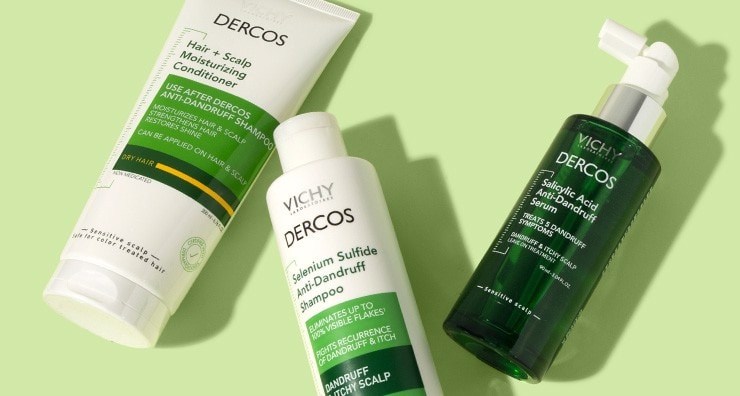
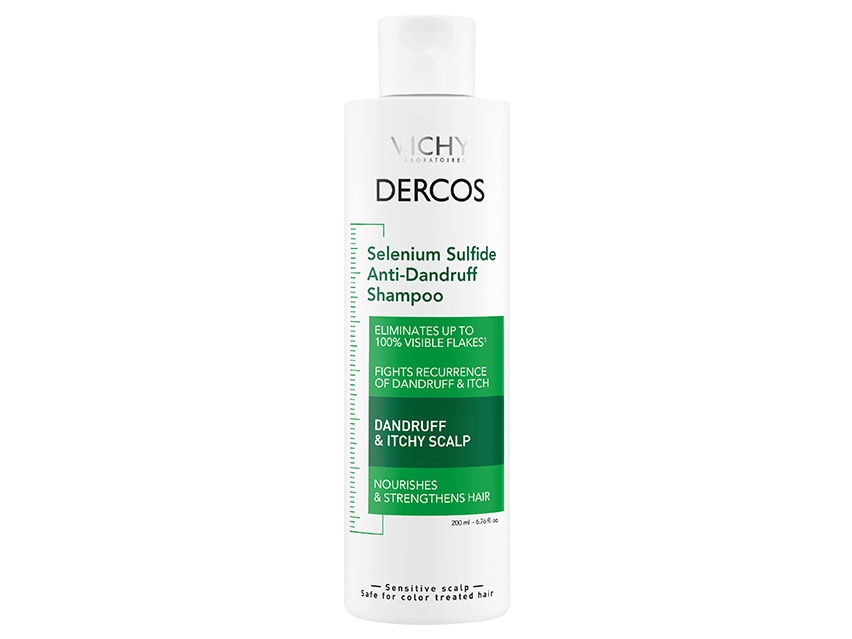
The Vichy Dercos collection offers three different products to help curb dandruff. The first is Vichy Dercos Selenium Sulfide Anti-Dandruff Shampoo, which helps improve the appearance of mild to severe dandruff with micronized selenium sulfide. It also contains skin-soothing niacinamide to reduce inflammation as well. For a complementary conditioner, Vichy Dercos Hair + Scalp Moisturizing Conditioner was formulated to follow the Vichy Dercos shampoo and hydrate both the scalp and hair with glycerin and hyaluronic acid.
“I often notice that people with extensive dandruff are conditioning more than they are shampooing, or simply not shampooing at all,” says Dr. Daniel Schlessinger. “Yeast like Malassezia that cause dandruff love to eat oil, so they thrive when there is no shampoo to balance out the conditioner.”
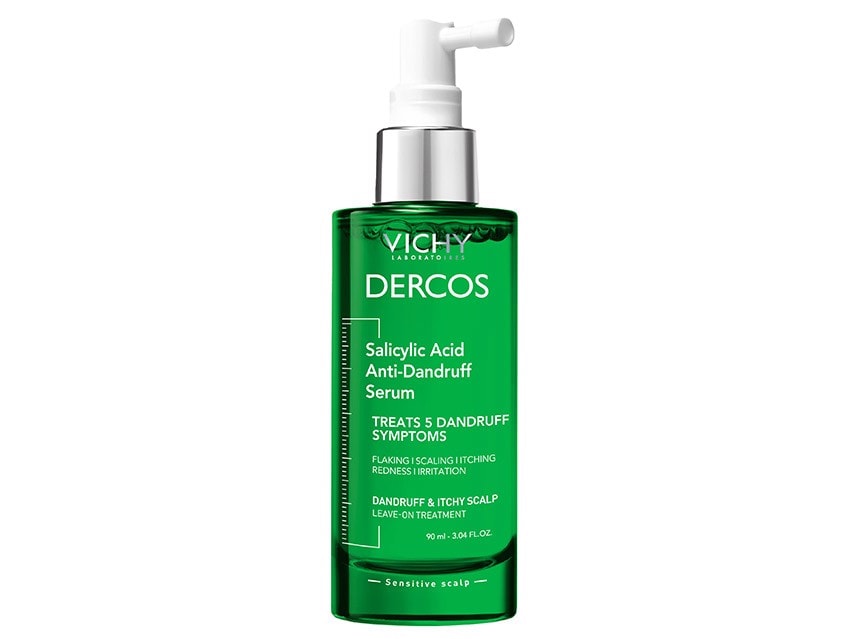
If you struggle with scalp itch between washes, Vichy Dercos Salicylic Acid Anti-Dandruff Serum can be used up to four times a day to help treat scalp itching and flakiness with exfoliating salicylic acid and skin-soothing madecassoside.
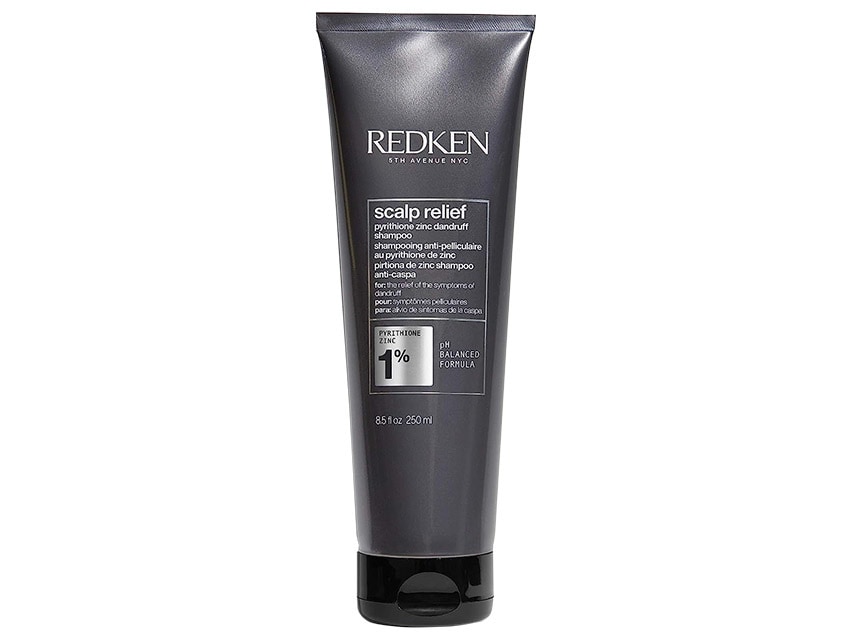
“Shampoos with pyrithione zinc, which has antifungal properties, have also proven to be effective for improving dandruff,” Dr. Daniel Schlessinger says. Redken Scalp Relief Dandruff Control Shampoo features 1% pyrithione zinc to help reduce Malassezia yeast overgrowth as well as salicylic acid to help exfoliate flaking skin on the scalp.
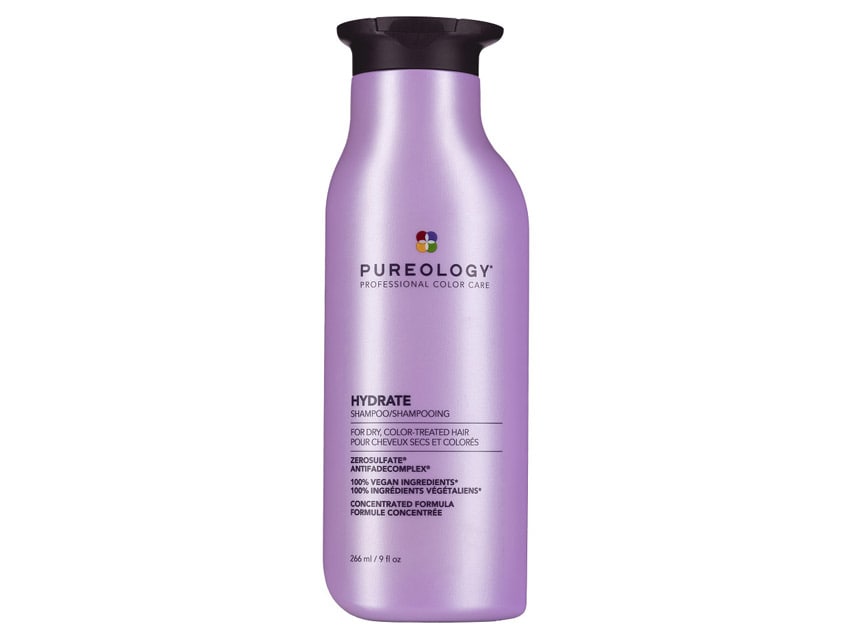
If it’s dry scalp you’re struggling with, consider a gentle moisturizing formula such as Pureology Hydrate Shampoo. This sulfate-free shampoo contains jojoba oil to moisturize the scalp as well as nourishing ingredients for dry hair, including glycerin, wheat proteins and green tea.
If your dandruff is severe or doesn’t subside after experimenting with topical treatments at home, consider making an appointment with a board-certified dermatologist. During an in-office exam, they can get an up-close look at your scalp and make recommendations for further treatment.
You can learn more about other common causes of itchy scalp on the LovelySkin Blog.

About the Author
Aaron serves as Editor at LovelySkin. Since graduating from the University of Nebraska at Omaha in 2016 with degrees in Creative Writing and English, he has immersed himself in the beauty industry. When he’s not writing about the latest beauty trends, he spends time cuddling his dogs, scouring antique stores, playing tennis and hiking.
Other Posts by AaronRemembering SkinCeuticals founder Dr. Sh...
The best 6 hair masks for bleached hair
Follow us on social
Follow us on social networks and be one of the first to learn about sales, giveaways, and free samples