Microneedling at home vs. in-office: What dermatologists want you to know

From derma rollers and dissolving microneedle patches to professional in-office procedures, there are more ways than ever to try this popular skin care treatment. So, when it comes to concerns like wrinkles, fine lines, acne scars, stretch marks or discoloration, does microneedling work? And do at-home microneedling devices compare to professional treatments?
To help break it all down, board-certified dermatologists, Mohs surgeons and cosmetic surgeons, Dr. Joel Schlessinger and Dr. Daniel Schlessinger, explain what you should know before adding microneedling to your routine.
What is microneedling
Microneedling, also called collagen induction therapy, works by creating thousands of tiny, controlled micro-injuries in the skin's surface using fine needles. These micro-channels trigger the skin's natural wound-healing response, stimulating the production of new collagen and elastin. The result over time is firmer, smoother, more even-toned skin.
The treatment can be performed in a dermatologist's office using a medical-grade device or at home with a consumer-grade roller, pen or patch. While both approaches use the same basic principle, the depth of needle penetration, the risks associated with infection or damage to the skin and the intensity of results differ significantly between them.
Dr. Joel Schlessinger explains, “Microneedling works by creating very small, controlled injuries in the skin that trigger repair and renewal. As the skin heals, it can appear firmer and more even over time, helping to reduce the appearance of fine lines, acne scars, stretch marks and uneven skin tone. The biggest consideration, though, is how it’s done and who is doing it. Controlling the needle depth affects the final results and can make the difference between a good outcome and a poor one.”
Microneedling is commonly used to address:
- Fine lines and wrinkles
- Uneven texture
- Enlarged pores
- Acne scars
- Stretch marks
- Mild skin laxity
Does microneedling work?
Yes—when done correctly and consistently. By using tiny needles to create controlled micro-injuries in the skin, these treatments work to stimulate the skin’s natural healing process, encouraging new collagen and elastin production. Professional microneedling is often offered as a series of treatments with results building over time.
“Microneedling is one of the most effective ways to stimulate real collagen remodeling in the skin. The key is using the right needle depth for the right concern,” explains Dr. Daniel Schlessinger. “In-office treatments go deeper, where the real structural changes happen. At-home devices are useful for maintenance and enhancing product absorption, but they’re not a direct substitute for professional treatment. Most importantly, it’s essential to match the treatment to the concern being addressed, or you could damage the skin instead of achieving healthy-looking results.”
In-office treatments may produce more dramatic, measurable results for deep concerns like significant scarring or pronounced laxity. At-home devices offer more subtle, cumulative benefits and are best used as part of a consistent skin care routine rather than as a standalone treatment.
Professional treatments may also incorporate additional technologies such as RF microneedling or microneedling with PRP.
- RF microneedling combines traditional microneedling with radiofrequency energy to help tighten skin and improve deeper wrinkles. This can result in a more effective treatment.
- Microneedling with PRP uses platelet-rich plasma derived from your own blood to support healing and enhance results. PRP can be an ‘add-on’ or something that is done alone, but it is an accepted addition to microneedling in a physician’s office.
At-home microneedling vs. in-office microneedling
While both options use the same basic concept, there are important differences in needle depth, safety and expected results.
“Patients sometimes expect the same outcome from an at-home microneedling device that they'd get in the office. It's never going to be the same as an intense treatment, but results for mild issues can be excellent,” shares Dr. Joel Schlessinger. “At-home devices are genuinely useful for enhancing your skin care routine and keeping skin looking refreshed between professional appointments, but the clinical depth and precision of an in-office treatment is in a different category altogether."
Here's how professional and at-home microneedling compare across the factors that matter most.
Does microneedling hurt?
Discomfort depends on needle depth and the area being treated. In-office microneedling treatments typically can include a topical numbing cream applied beforehand, which significantly reduces any sensation. Most patients describe the in-office experience as a mild pressure or vibration, rather than pain, if these agents are used alongside the treatment. However, there are other methods that can be used in a physician’s office that aren’t available for at-home use.
At-home devices use much shorter needles (typically 0.2–0.5mm, compared to 1–3mm used in professional settings), so most people find them very tolerable—comparable to a mild tingling or light scratching sensation. Microneedle patches, which dissolve directly into the skin, should be painless, but provide less overall intensity.
What concerns can microneedling help improve?
Microneedling is one of the most versatile skin treatments available, both in the office and at home. Here's a closer look at what these treatments and devices can help address:
Microneedling for acne scars
This is one of microneedling's most popular uses. Professional microneedling stimulates the disordered collagen that makes up the scar tissue beneath the skin's surface and stimulates the production of new, healthy collagen. For atrophic (depressed) acne scars, a series of in-office treatments is usually recommended, with deeper needle depths targeting the dermis where scar remodeling occurs, sometimes along with a treatment called subsicion, which cuts the tethers under the skin that lead to dimpling. At-home devices can help maintain results between appointments and improve the overall appearance of skin texture.
As with any condition, there are many different treatment options. For acne scarring, we often use other modalities like laser or dermabrasion in conjunction with microneedling and/or platelet-rich plasma injections, so it may be that one or multiple treatments are considered.
Microneedling for wrinkles and fine lines
Microneedling for wrinkles works by stimulating collagen and elastin production in the dermal layer of the skin, gradually improving firmness and smoothing skin texture. In-office treatments yield more significant results, especially for deeper expression lines. At-home microneedling devices and dissolving patches are a great complement, particularly in areas like the forehead and under-eyes, where targeted delivery of hyaluronic acid or peptides can make a visible difference. While these treatments can’t achieve the same results as surgery, Botox, fillers or lasers, they can play an important supportive role in maintaining healthier-looking, more rejuvenated skin.
Microneedling for stretch marks
Stretch marks, like acne scars, are a form of dermal scarring. Professional microneedling can very modestly help improve the texture and color of stretch marks over time by triggering collagen remodeling in the skin.Even lasers don’t always produce significant improvement, so microneedling can be a reasonable treatment option. Results vary depending on how old the stretch marks are and skin type, but research supports microneedling as an option for stretch mark reduction, especially when combined with topical or laser treatments.
Understanding different types of microneedling
While all of these treatments fall under the broad "microneedling" umbrella, they differ significantly in mechanism, depth, outcomes and who performs them. Medical-grade automated microneedling and radiofrequency microneedling are the most clinically intensive, driving real structural change through collagen induction and, in the case of RF microneedling, heat-based tissue remodeling. These treatments are best suited to patients with acne scars, texture concerns, fine lines or mild laxity.
Superficial professional microneedling is a lighter-depth option better for refreshing and restoring skin’s glow. Microinfusion treatments like AQUAGOLD take a different approach entirely, using hollow microchannels to deliver customized ingredients just beneath the skin's surface for immediate radiance with little to no downtime. Alternatively, at-home dermarollers and dissolving patches are cosmetic maintenance tools, not medical treatments, and should not be expected to replicate the corrective results of in-office procedures. Here’s a breakdown of how these treatments work and what to expect:
The best at-home microneedling products to try
While in-office treatments deliver the most dramatic results, there's a real place for at-home microneedling in a consistent skin care routine. Here are our top picks.
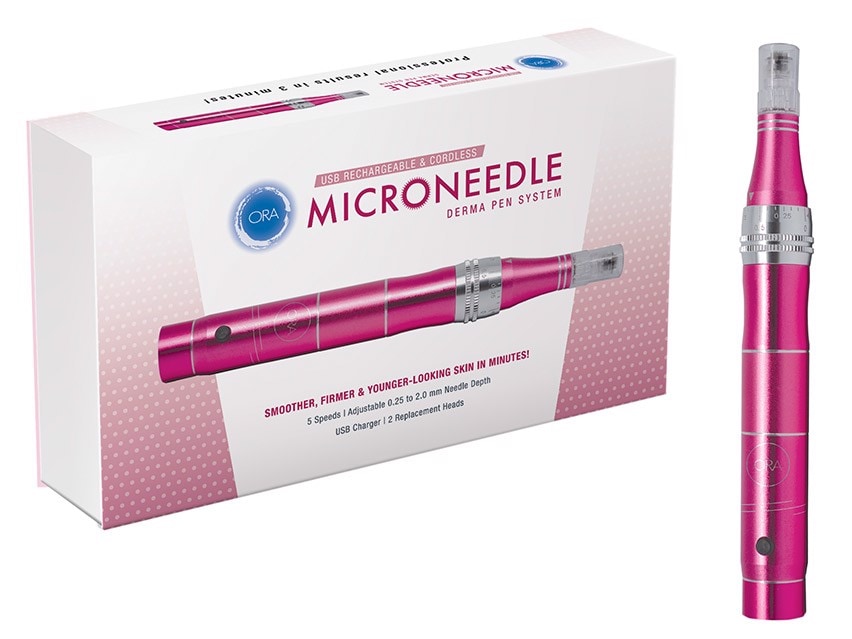
ORA Deluxe Rechargeable & Cordless Electric Microneedle Derma Pen System
This rechargeable derma pen is a standout for at-home microneedling devices. Unlike traditional rollers, this pen-style device delivers more precise, vertical needle penetration, reducing drag across the skin. The cordless design makes it easy to use, and the adjustable needle depth settings allow you to customize treatment intensity for different areas of the face.
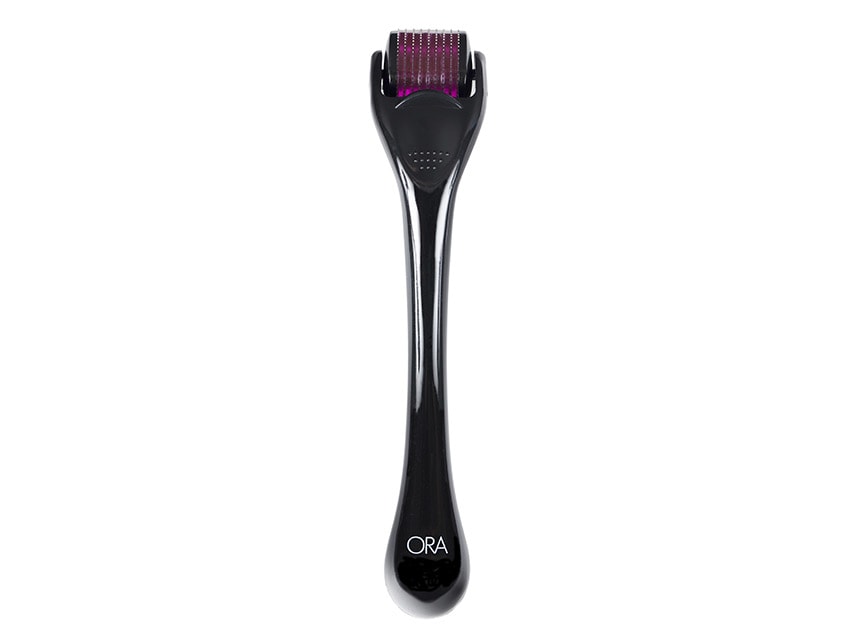
ORA Facial Microneedle Roller System Advanced Therapy
A reliable, classic roller option for at-home microneedling, this system is well-suited for those new to the treatment. The fine needles create micro-channels across the skin's surface to improve the penetration of active ingredients and support ongoing skin renewal. Consistent use as part of your weekly routine can improve skin texture and radiance over time.
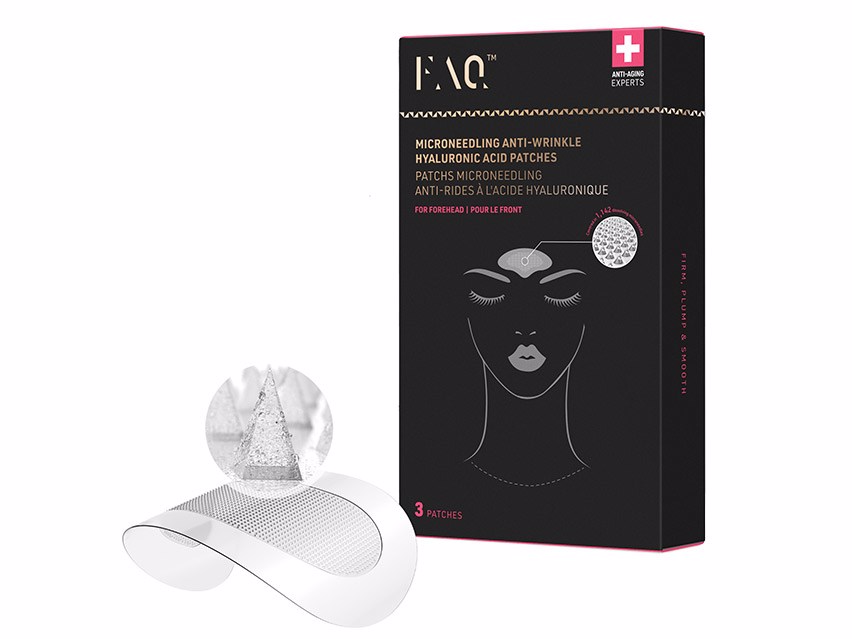
FOREO FAQ Microneedling Anti-Wrinkle Hyaluronic Patches For Forehead
These innovative patches take a targeted approach to forehead lines, combining micro-needle technology with a concentrated delivery of hyaluronic acid directly into the skin. The dissolving tips deposit active ingredients below the surface. They’re a great choice for those curious about microneedling for wrinkles who want to try a low-commitment, pain-free option.
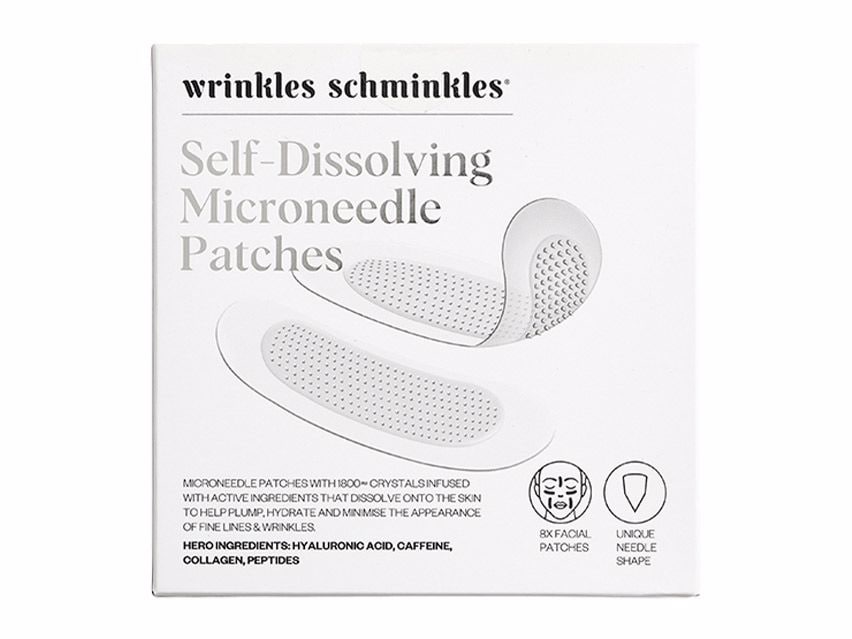
Wrinkles Schminkles Self-Dissolving Microneedle Patches
These self-dissolving patches deliver hyaluronic acid and peptides through hundreds of microscopic needles that dissolve completely into the skin—no removal needed. They're designed to be worn under your eyes, around your mouth or the middle of your forehead to plump, smooth and replenish skin. The dissolving format is gentle, non-irritating and accessible for all skin types.
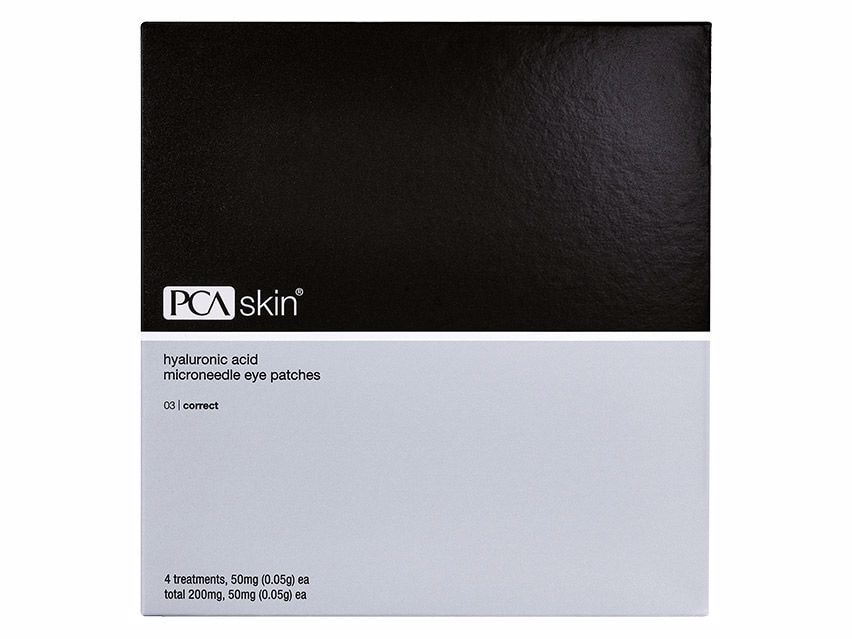
PCA SKIN Hyaluronic Acid Microneedle Eye Patches
The delicate skin around the eyes is one of the most challenging areas to treat topically. These microneedle patches from PCA SKIN use dissolvable hyaluronic acid tips to deliver hydration below the surface of the skin, helping to visibly plump fine lines and improve the appearance of crepiness. They're a gentle, effective option for those looking to enhance smoothness.
Looking for more ways to keep your skin looking its very best through all stages of life? Read how to support your skin through rapid weight loss and GLP-1 use on the LovelySkin blog.
The Future of Wrinkle Correction: Introd...
Our definitive guide to La Roche-Posay s...
Follow us on social
Follow us on social networks and be one of the first to learn about sales, giveaways, and free samples