What is fungal acne? Causes, symptoms and dermatologist-recommended tips
Almost everyone has experienced the telltale signs of a breakout at some point—a growing bump, tenderness, noticeable redness and, of course, the urge to clear it up as quickly as possible. But if you’ve noticed small, itchy bumps that look like acne but won't clear up with the treatments you've always relied on, there's a good chance what you're experiencing isn't regular acne at all.
Fungal acne, or Pityrosporum folliculitis, is caused by an overgrowth of Malassezia yeast that naturally lives on the skin. This type of infection closely mimics common breakouts, but unlike traditional acne (which is most often triggered by bacteria and hormones), fungal acne requires a completely different approach to treatment.
To help clear up the confusion, board-certified dermatologists, Mohs surgeons and cosmetic surgeons, Dr. Joel Schlessinger and Dr. Daniel Schlessinger, share their insights on how to identify fungal acne, what causes it, plus the most effective treatments and products to incorporate into your routine.
What is fungal acne?
What is commonly referred to as fungal acne is actually a condition called Malassezia or Pitryosporum folliculitis, a yeast-driven infection of the hair follicles. While bacterial acne is often triggered by bacteria, such as Cutibacterium acnes or staph infection, fungal acne is caused by an overgrowth of Malassezia yeast that naturally lives on the skin's surface. When sweaty and oily skin allows that yeast to multiply and colonize the hair follicles, it triggers an inflammatory response that results in small, itchy, acne-like bumps.
"What makes fungal acne so tricky is that, to an untrained eye, it can look almost identical to traditional acne on the surface," explains Dr. Joel Schlessinger. "It is very easy to determine the difference once you know what to look for. But because it's caused by a fungal overgrowth rather than bacteria, standard treatments used for bacterial acne won't help and can sometimes even make the situation worse. Getting the right diagnosis before you start treatment and going to a dermatologist who knows the difference is crucial."
What causes fungal acne
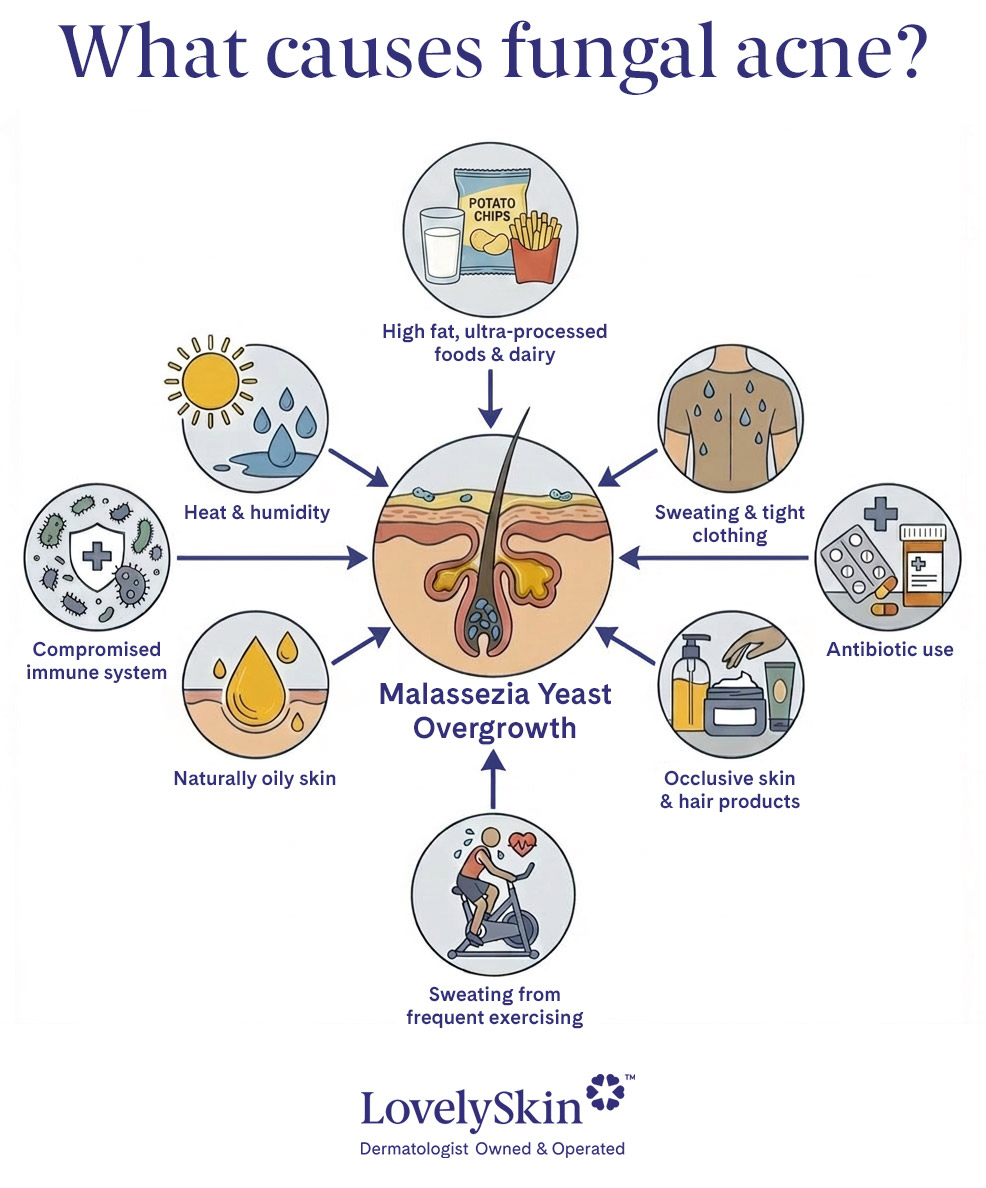
Fungal acne develops when yeast called Malassezia overgrows within the hair follicles. Certain conditions create the ideal environment for it to overgrow and cause problems. Common triggers of fungal acne include:
Heat and humidity: Warm, moist environments are where Malassezia thrives. People who live in humid climates, exercise frequently or spend extended time in heat may be at greater risk for fungal acne flare-ups.
Sweating, face masks and tight-fitting clothing: Non-breathable clothing traps sweat against the skin, creating the warm, moist conditions yeast needs to overgrow. This can be a major contributor to fungal acne on the chest, back and shoulders. Similarly, face masks can trap sweat on the cheeks and around the mouth and trigger a similar kind of breakout on the face.
Antibiotic use: This is one of the more surprising triggers. Antibiotics can shift the skin's natural microbial balance, inadvertently clearing the way for yeast to overgrow. Just as antibiotics can trigger a yeast infection “down there,” they can also contribute to a yeast infection on the face.
Occlusive skin care and hair care products: Certain moisturizers, sunscreens and hair products that contain occlusive ingredients and fatty acids can effectively feed Malassezia yeast, contributing to overgrowth.
Naturally oily skin: Because Malassezia feeds on sebum, those with naturally oilier skin types may be more susceptible to fungal acne.
A compromised immune system: Individuals who are immunocompromised may have less ability to keep Malassezia overgrowth in check, making them more prone to fungal folliculitis.
Fungal vs. inflammatory acne
Knowing how to distinguish fungal acne and bacterial acne can save months of frustration and ineffective treatment. Here's a side-by-side look at how these two conditions compare across the factors that matter most:
How to get rid of fungal acne
The good news? Fungal acne is very treatable once it's correctly identified. Effective fungal acne treatment focuses on reducing the yeast overgrowth and creating an environment on the skin that's inhospitable to Malassezia.
Dr. Daniel Schlessinger explains, “One of the most rewarding things about treating fungal acne is how quickly patients can see real improvement once we get the treatment right. Transitioning to the right antifungal products and removing triggers can produce results within a matter of weeks. That said, Malassezia is persistent. Preventing recurrence requires some ongoing diligence with product choices and daily habits, so we work with patients on a long-term maintenance strategy, not just a quick fix."
Dermatologist-recommended products for fungal acne
The right fungal acne treatment products can make a meaningful difference. These targeted options are formulated with clinically active antifungal ingredients, including zinc pyrithione, that help address the root cause of Malassezia overgrowth. Whether you're looking for the best cleanser for fungal acne or products that help prevent fungal acne flare-ups, these picks are worth adding to your routine.
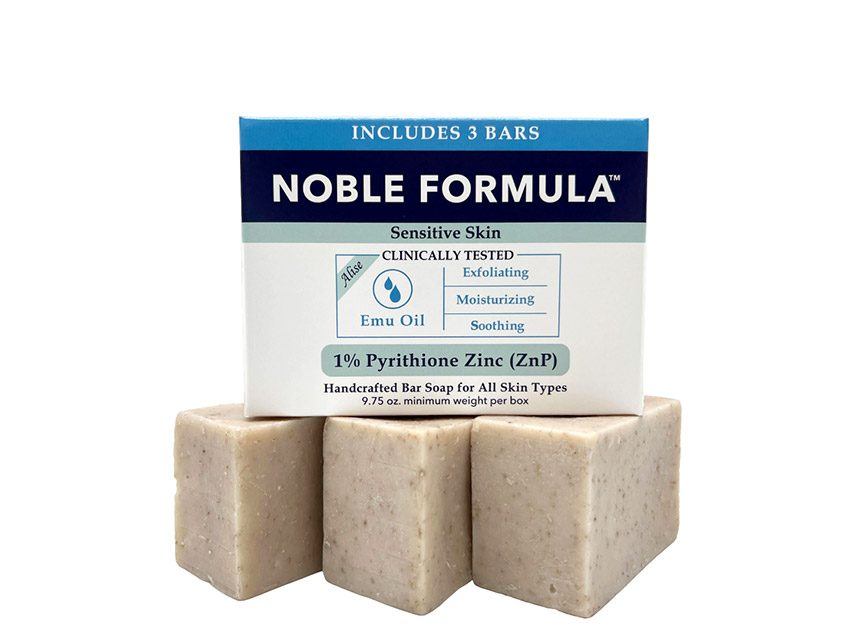
Noble Formula Emu Oil Bar Soap with 1% ZnP
With 1% zinc pyrithione (ZnP), this bar soap delivers proven antifungal benefits, while nourishing emu oil helps to support the skin's moisture barrier. Zinc pyrithione is one of the most clinically recognized over-the-counter ingredients for treating and preventing fungal acne, making this an easy and effective addition to a daily cleansing routine for the face or body.
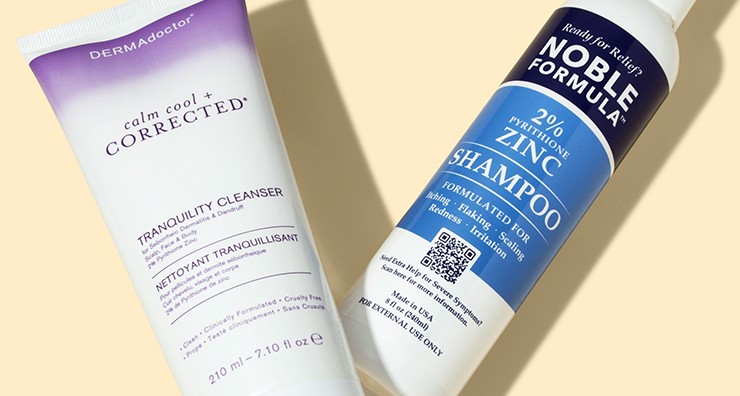
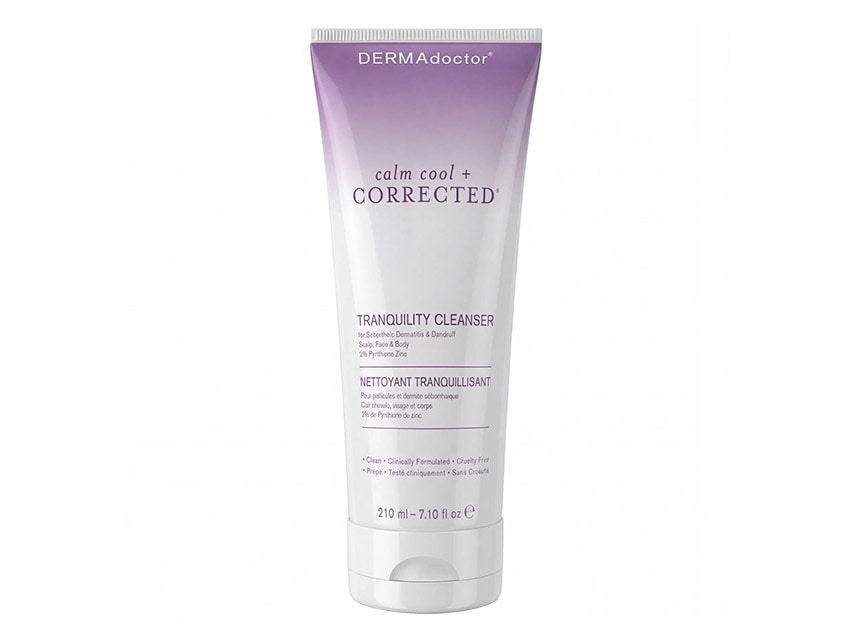
DERMAdoctor Calm Cool + Corrected Tranquility Cleanser for Seborrheic Dermatitis & Dandruff
Formulated specifically for Malassezia-related conditions like seborrheic dermatitis, this gentle yet targeted cleanser soothes irritation and helps to rebalance the skin and scalp. It works to eliminate the yeast overgrowth while providing a non-stripping cleanse, making it a smart choice for those with sensitive or reactive skin alongside their fungal acne concerns.
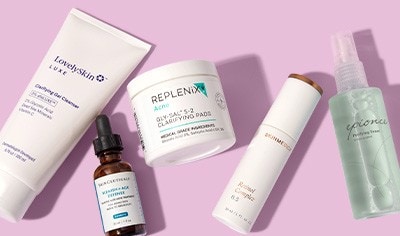
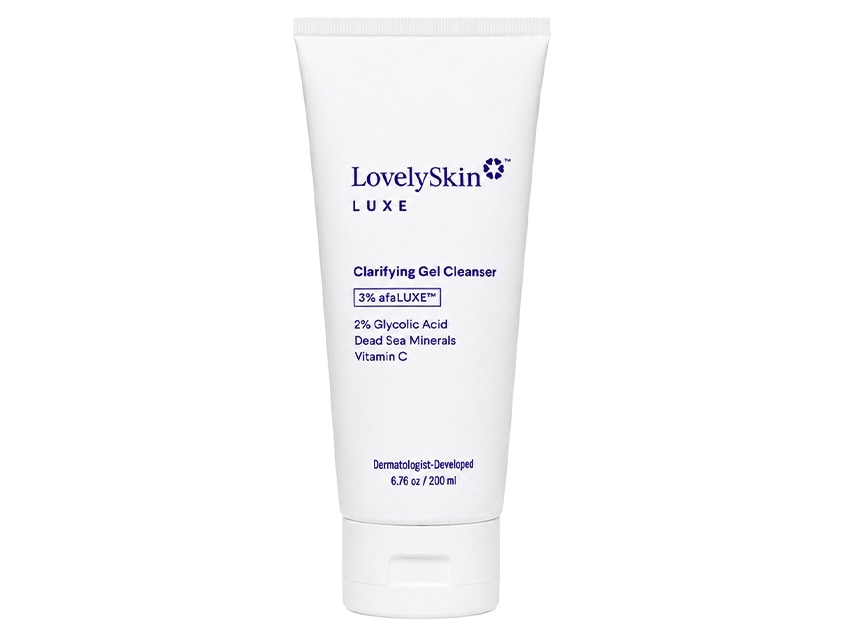
LovelySkin LUXE Clarifying Gel Cleanser
Powered by 2% salicylic acid, 2% glycolic acid and 3% afaLUXE, this exfoliating gel cleanser helps remove excess oil, dead skin cells and buildup that can contribute to clogged pores, congestion and different types of breakouts. The dermatologist-developed afaLUXE complex combines amino-based filaggrin antioxidants with vitamin C and Dead Sea minerals to support skin’s moisture balance while encouraging smoother, clearer-looking skin without over-drying.
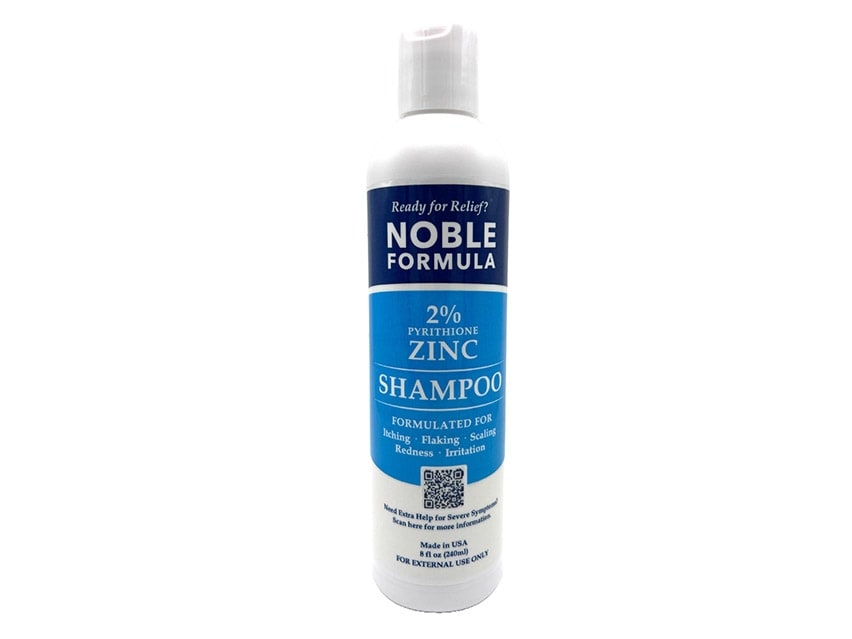
Noble Formula Shampoo with 2% ZnP
This medical-strength shampoo is formulated with 2% pyrithione zinc (ZnP) to help target yeast overgrowth on the scalp and body. It can be used to help reduce flaking, itching and fungal acne-related breakouts along the hairline, back, chest and shoulders in one easy step while also caring for the scalp where Malassezia commonly resides.
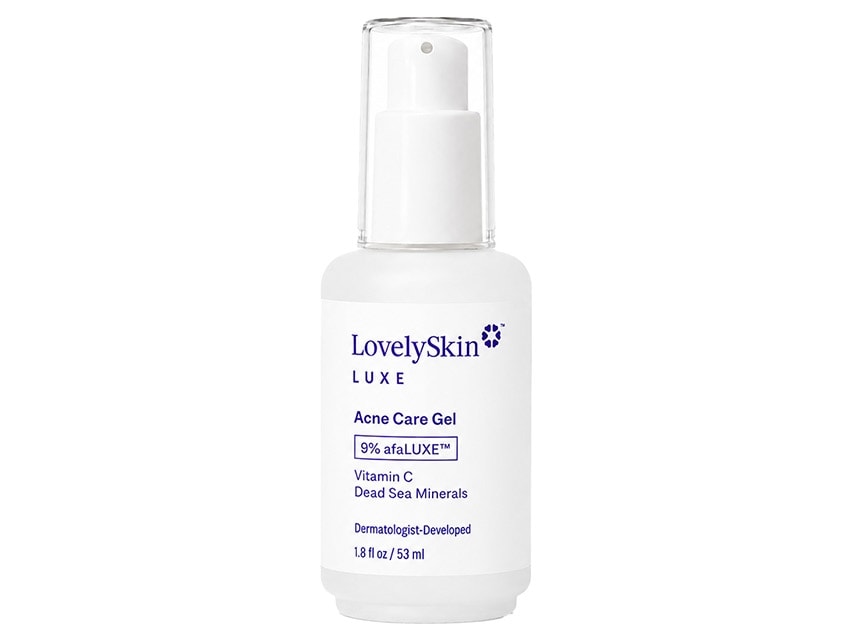
LovelySkin LUXE Acne Care Gel 9%
Formulated with dermatologist-developed afaLUXE™, vitamin C and Dead Sea minerals, this treatment gel helps gently exfoliate while removing excess oil and debris that can contribute to clogged pores and breakouts. The low-pH formula supports the skin’s moisture barrier while helping improve the appearance of pores for a more balanced complexion. It’s a great choice for preventing inflammatory and fungal acne. If your skin is well adapted to exfoliation, LovelySkin LUXE Exfoliating Gel Mild 11%, LovelySkin LUXE Exfoliating Gel Plus 15% and LovelySkin LUXE Exfoliating Gel Max 19% offer even more effective, acne-fighting exfoliation while promoting a healthy, balanced, breakout-free complexion.
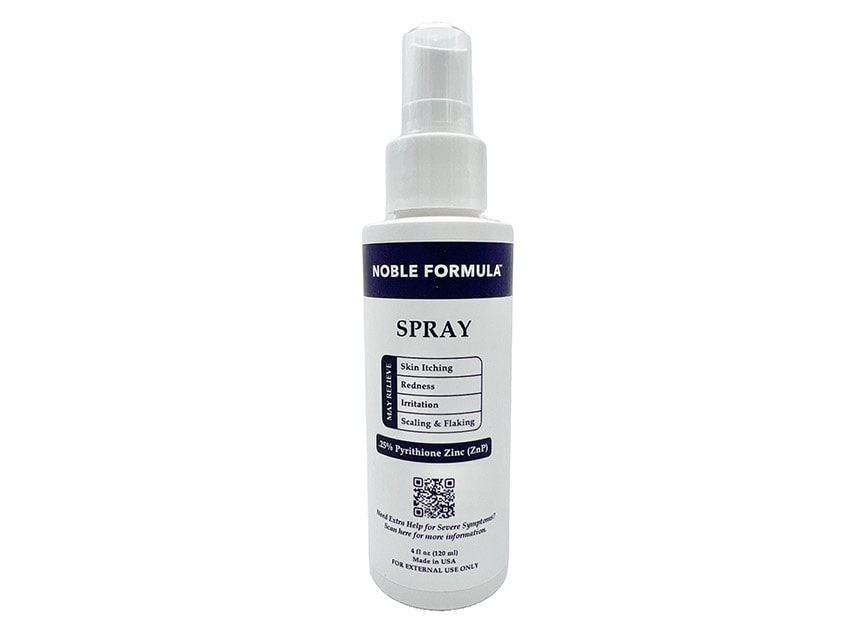
Noble Formula Spray with 0.25% ZnP
For hard-to-reach areas and easy on-the-go fungal use, this spray delivers zinc pyrithione in a lightweight mist ideal for face, chest, shoulders and back. The refreshing formula instantly helps soothe irritation and prevent fungal acne while supporting clearer-looking skin over time.
Looking for more ways to keep your skin healthy? Discover dermatologist-approved tips for managing perioral dermatitis on the LovelySkin blog.
Free radicals explained: A guide to prot...
Does dairy cause acne? Board-certified d...
Follow us on social
Follow us on social networks and be one of the first to learn about sales, giveaways, and free samples