August is National Hair Loss Awareness Month, making it the perfect time to talk about a condition that affects millions of people but often goes undiscussed. Whether due to hormones, stress or a medical condition, hair thinning and hair loss are quite common. The American Academy of Dermatology estimates that forty percent of women experience hair loss by age forty. But not all hair loss is the same, and understanding which type you're experiencing is the first step toward finding an effective treatment.
"We're seeing more patients seeking help for hair thinning than ever before," explains board-certified dermatologist, Mohs surgeon and cosmetic surgeon, Dr. Joel Schlessinger. "The good news is that we have more treatment options available than ever before, but it’s important to find out the possible cause to make sure the treatment has the best chance of success. Just trying a bunch of different treatments isn’t a good plan. There are many different types of hair loss and we want to make sure we get the best treatment for our patients. "
From nutritional supplements and specialized shampoos to laser devices and targeted scalp treatments, today's hair growth solutions can help support healthier, fuller-looking hair when paired with the right diagnosis and consistent use. Before we explore some of our favorite dermatologist-approved products, let's take a closer look at the most common types of hair loss, what causes them and the treatments that may help.
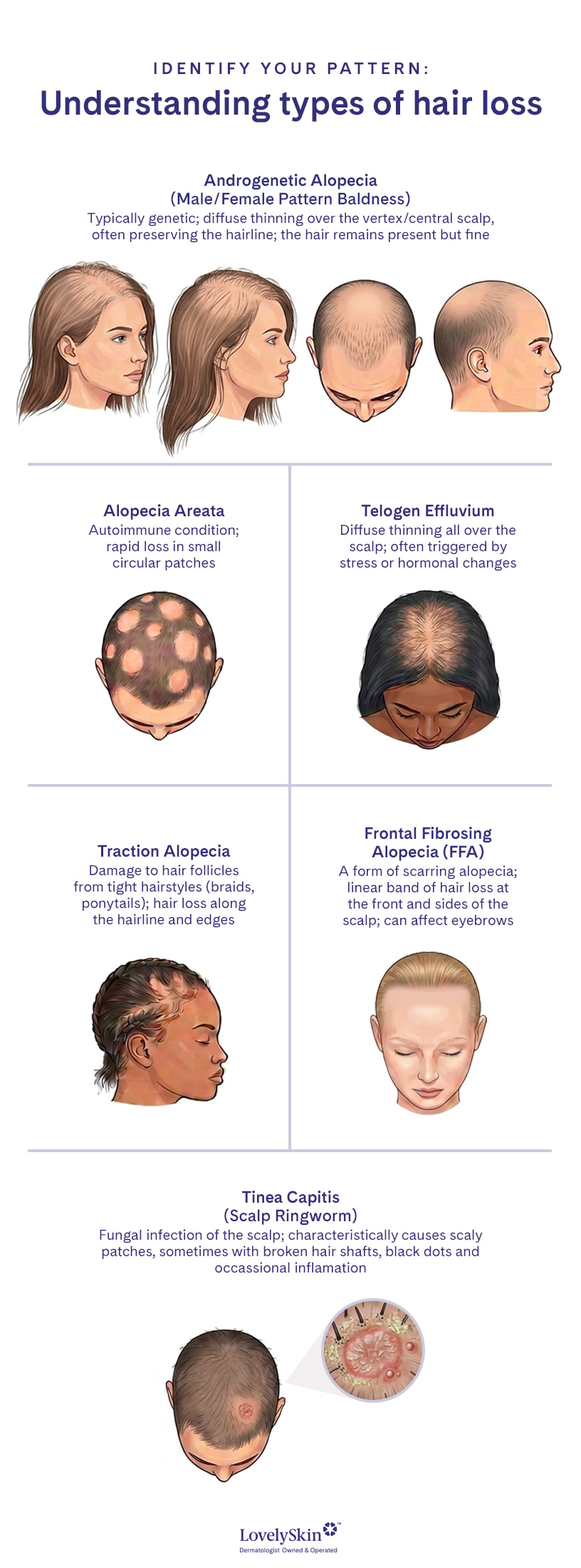
The most common types of hair loss
Although hair thinning can look similar from person to person, the cause isn't always the same. Some forms of hair loss are temporary and improve once the underlying trigger is addressed, while others are progressive and benefit from ongoing treatment.
Androgenetic alopecia
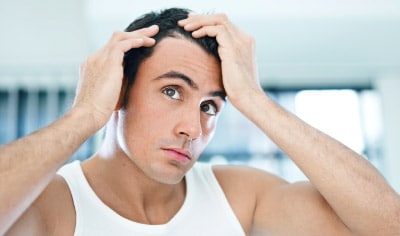
What it is: The most common form of hair loss, androgenetic alopecia is also known as female pattern or male pattern hair loss. In women, it typically appears as a gradual widening of the part and diffuse thinning across the crown. In men, it tends to show up as a receding hairline and thinning at the top of the head.
What causes it: Genetics and hormones. Hair follicles that are genetically sensitive to dihydrotestosterone (DHT), a byproduct of testosterone, gradually shrink over time. This process, called miniaturization, causes each new hair to grow in finer and shorter until the follicle eventually stops producing hair altogether.
"Androgenetic alopecia is far and away the most common type of hair loss we see in the office, and it affects women just as much as men," says Dr. Daniel Schlessinger, board-certified dermatologist and Mohs surgeon. "The most important thing I tell patients is that it's much easier to keep the hair you have than to regrow hair you've lost, so early intervention really matters. If you're noticing a wider part or more scalp showing through, that's the time to act, not years down the road."
How it's treated: Because this type of hair loss is progressive, consistency is key. Topical minoxidil, DHT-blocking shampoos, hair growth supplements and FDA-cleared low-level laser therapy devices can all help slow thinning and support regrowth. A dermatologist may also recommend prescription options such as oral minoxidil, finasteride or spironolactone depending on your situation.
Telogen effluvium
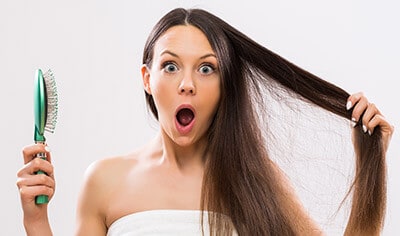
What it is: A temporary but often alarming form of hair loss in which a large number of hairs shift prematurely into the telogen (resting) phase of the growth cycle and shed all at once. Rather than thinning in one area, hair sheds across the entire scalp, often in the shower or on your brush.
What causes it: A physical or emotional shock to the system. Common triggers include severe stress, illness, surgery, childbirth, rapid weight loss (sometimes due to GLP-1 use), nutritional deficiencies and certain medications. Because the hair cycle takes time to respond, shedding typically begins two to three months after the triggering event.
"Telogen effluvium catches so many patients off guard because the shedding shows up 3-6 months later, when they think they're in the clear," says Dr. Joel Schlessinger. "The good news is that it's almost always temporary. Once the trigger is identified and addressed, the hair cycle resets and regrowth follows, though full recovery can take six months to a year from the time of onset. In the meantime, supporting the scalp and hair with gentle, nourishing products can make a real difference in how quickly hair bounces back."
How it's treated: The primary treatment is identifying and resolving the underlying trigger. If that trigger is ongoing, such as continued weight loss from a GLP-1 medication, shedding can persist until it resolves. From there, a nutrient-rich diet, hair growth supplements, gentle scalp-stimulating shampoos and stress management all support the recovery process. If shedding lasts longer than six months, see a dermatologist to rule out other causes.
Alopecia areata
What it is: An autoimmune condition in which the body's immune system mistakenly attacks its own hair follicles, causing hair to fall out in smooth, round patches. It most often affects the scalp but can also involve the eyebrows, eyelashes and body hair. In more severe forms, it can progress to total scalp hair loss (alopecia totalis) or total body hair loss (alopecia universalis).
What causes it: An immune system malfunction, often with a genetic component. It can appear at any age and may be triggered or worsened by stress or illness. Unlike hereditary hair loss, the follicles remain alive, which means regrowth is possible.
How it's treated: Alopecia areata should always be evaluated and managed by a dermatologist. Treatment options include corticosteroid injections, topical corticosteroids and, for more extensive cases, newer prescription medications called JAK inhibitors that calm the immune attack on the follicle.
Tinea capitis (ringworm)
What it is: A fungal infection of the scalp in which fungus infects the hair follicles and causes hair loss. Unlike alopecia areata, the patches are usually scaly rather than smooth and may involve crusting or discharge.
What causes it: A contagious fungus that can spread through close contact or shared items such as combs, hats and towels.
How it's treated: Tinea capitis requires evaluation by a dermatologist and typically an oral antifungal medication, since it can't be cleared with topical products alone.
Traction alopecia
What it is: Hair loss caused by repeated pulling or tension on the hair, most often appearing as thinning along the hairline, temples or wherever the hair is pulled tightest.
What causes it: Hairstyles and habits that put chronic stress on the follicle, including tight ponytails, buns, braids, cornrows, extensions, weaves and heavy locs. Frequent use of chemical relaxers, hot oil treatments and hot styling tools can compound the damage.
"Traction alopecia is one of the few types of hair loss that's genuinely preventable, and if it's caught early, it's completely reversible," says Dr. Daniel Schlessinger. "The problem is that constant tension can eventually scar the follicle, and once that happens, the hair won't come back. If a style hurts or leaves your scalp tender, it's too tight."
How it's treated: Simply shifting to looser, lower-tension hairstyles allows the hair to recover. Scalp treatments and hair growth products can support regrowth along the affected areas. Long-standing cases may require evaluation by a dermatologist, since prolonged traction can lead to permanent, scarring hair loss.
Scarring (Cicatricial) alopecia
What it is: A group of less common but more serious conditions in which inflammation destroys the hair follicle and replaces it with scar tissue, resulting in permanent hair loss. Examples include frontal fibrosing alopecia, which causes a receding, band-like hairline, and central centrifugal cicatricial alopecia (CCCA), which begins at the crown and expands outward.
What causes it: The exact causes vary by condition, but each involves inflammation targeting the follicle. Some forms are more common in postmenopausal women, and symptoms can include itching, burning, tenderness, redness or scaling in the affected area. Research by Dr. Daniel Schlessinger has also linked frontal fibrosing alopecia to a sensitivity to cetrimonium bromide, an anti-frizz ingredient found in many hair care products, which is one more reason an accurate diagnosis matters.
How it's treated: Scarring alopecia requires urgency. Because destroyed follicles cannot regrow hair, treatment focuses on stopping the inflammation as quickly as possible to preserve the remaining follicles. Prescription anti-inflammatory treatments, injections and oral medications can be used, and the earlier treatment begins, the more hair can be saved. If you notice patchy loss along with scalp symptoms like burning or tenderness, schedule a dermatology appointment right away.
When to see a dermatologist
While over-the-counter products can be highly effective for common thinning and shedding, sudden hair loss, patchy hair loss or hair loss accompanied by scalp pain, redness or scaling warrants a professional evaluation. A board-certified dermatologist can diagnose the specific type of hair loss you're experiencing and build a treatment plan that may combine prescription therapies with the at-home options.
The best products for hair loss
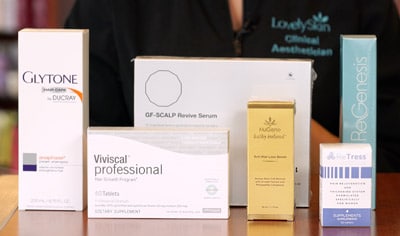
These dermatologist-recommended supplements, shampoos, devices and targeted treatments are designed to nourish hair follicles, promote a healthy scalp and encourage stronger, longer, thicker-looking hair over time.
Hair Growth Supplements
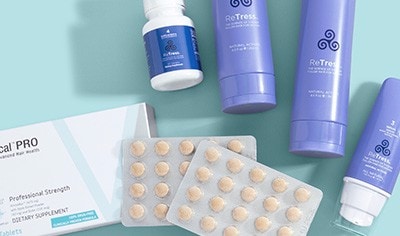
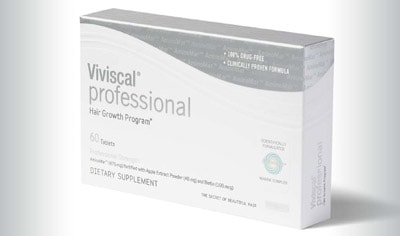
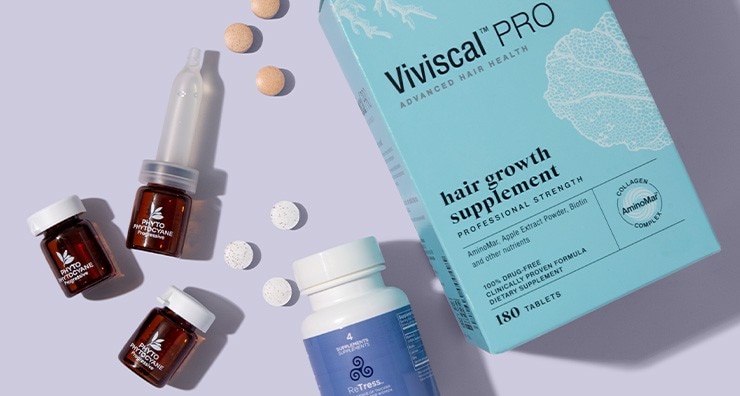
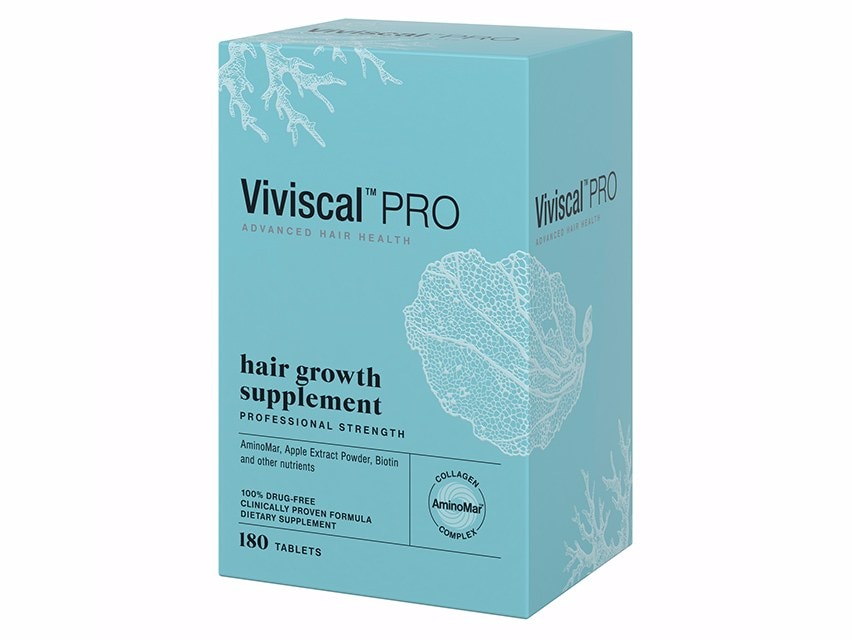
Viviscal PRO Hair Growth Supplement
What they are: A drug-free vitamin for hair growth in tablet form that you take orally with water, once in the morning and once at night.
What they do: Strengthen thinning hair with biotin, apple extract and vitamin C while supporting existing hair and promoting healthy new growth with the exclusive AminoMar® marine complex.
How they work: Nutrients make their way through your bloodstream to nourish your hair follicles at the source. A minimum of 3 to 6 months of treatment is recommended for best results.
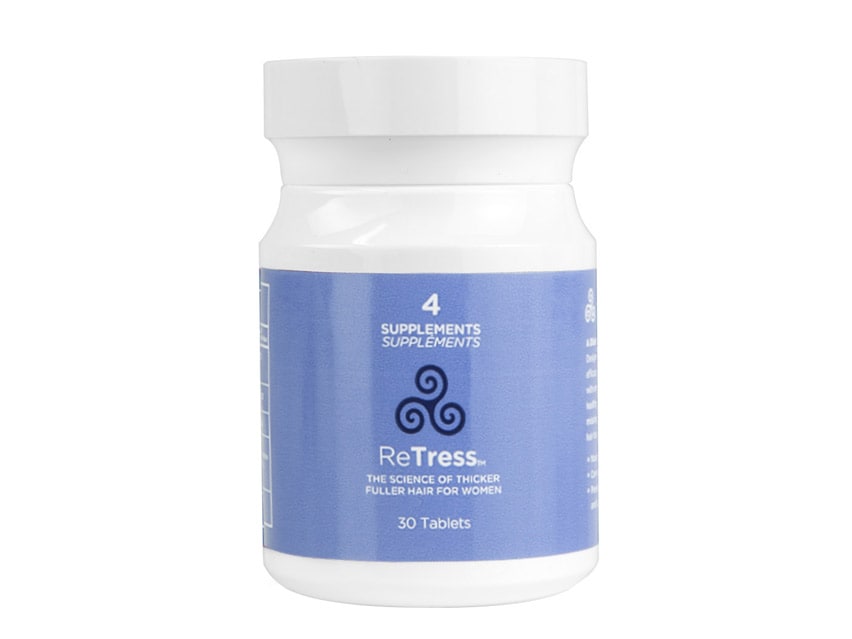
ReTress Supplements
What they are: A physician-formulated daily hair growth supplement designed to support fuller, healthier-looking hair from within.
What they do: Help nourish hair follicles with a blend of vitamins, minerals and botanical ingredients that support stronger strands, reduced shedding and healthy hair growth.
How they work: ReTress delivers key nutrients, including biotin and other hair-supportive ingredients, through the bloodstream to help create an optimal environment for healthier hair growth. For best results, use consistently as directed over several months.
Therapeutic Shampoos for Hair Loss
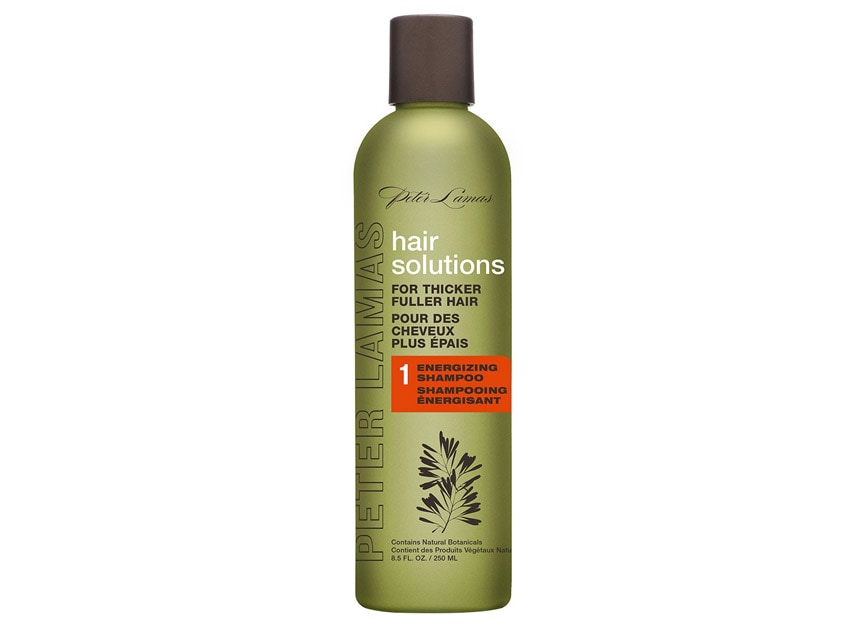
Peter Lamas Hair Solutions Energizing Hair Growth Shampoo
What it is: A shampoo that promotes healthier hair growth.
What it does: Stimulates your scalp with rich botanicals to cleanse your hair while helping it look fuller and thicker.
How it works: Ingredients such as baicapil, apple stem cells and other antioxidants increase circulation and penetrate the scalp to strip away impurities that block growth in the hair follicle, such as DHT, a hormone that can make hair growth sluggish. Refreshing eucalyptus oil and aloe vera also calm and soothe any itching or flaking.
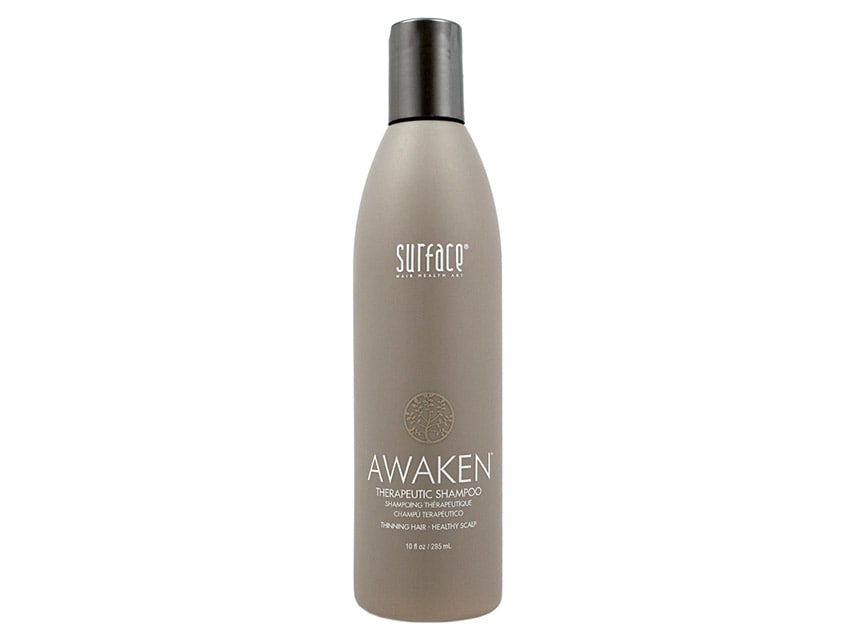
Surface Awaken Therapeutic Shampoo
What it is: A soothing shampoo that is one part in a four-part regimen.
What it does: Soothes the scalp with cooling menthol and promotes new hair growth that's healthy and strong with botanical ingredients.
How it works: As the first step in the four-part Surface Awaken Regimen, this shampoo and its complementary conditioner, scalp spray and hair treatment strengthen strands with vegan proteins and block DHT, which leads to hair loss. What's more, it's even safe for color-treated hair!
The Best At-Home Device for Hair Loss and Thinning
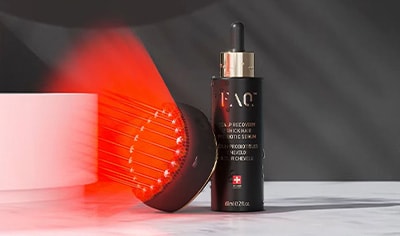
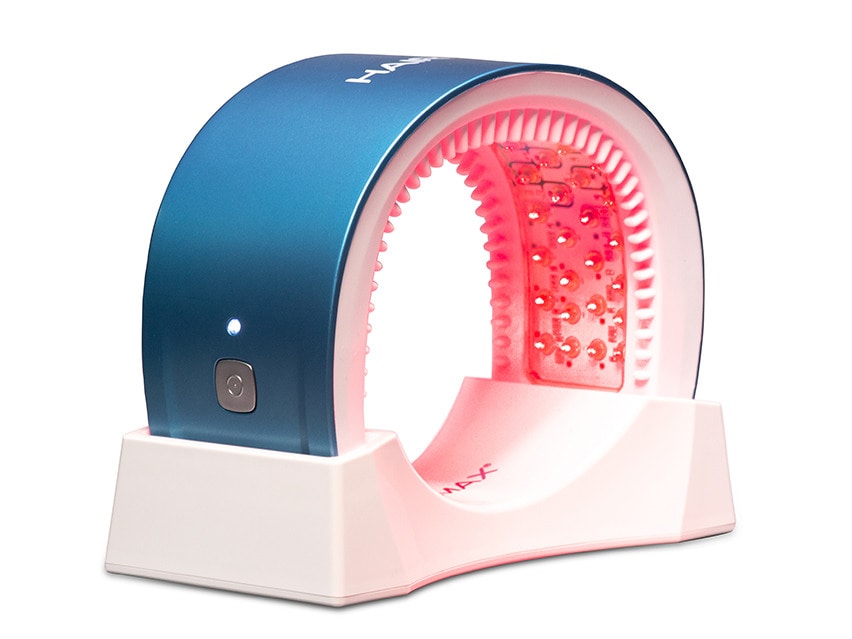
HairMax LaserBand 82 ComfortFlex Hair Growth Device
What it is: An FDA-cleared laser hair growth device that treats hereditary hair loss and thinning in the comfort of your own home.
What it does: Revitalizes hair follicles to encourage thicker, fuller-looking hair while helping reduce hair shedding over time.
How it works: Medical-grade laser light energy stimulates hair follicles and supports the natural hair growth cycle. The patented ComfortFlex design comfortably conforms to the shape of your scalp, while treatment takes as little as 90 seconds, three times per week.
The Best At-Home Treatment for Hair Loss and Thinning
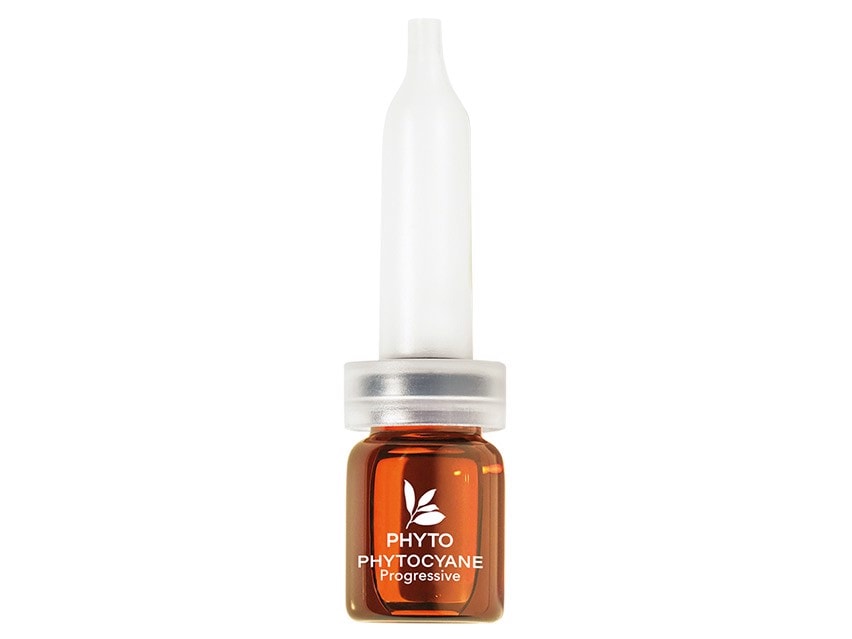
PHYTO Phytocyane Densifying Treatment for Women Progressive Hair Thinning
What it is: A concentrated scalp treatment formulated specifically for women experiencing progressive hair thinning.
What it does: Helps reduce hair loss while supporting stronger, denser-looking hair with a blend of botanical extracts and vitamins.
How it works: This leave-in treatment delivers ingredients such as patented organic maca extract, pea peptides and vitamin-rich botanical actives directly to the scalp to help support the hair growth cycle, strengthen hair at the root and improve the appearance of hair density with continued use.
For more information, see our video on the two most common types of hair loss and their triggers
Looking for more options? Browse our full stock of dermatologist-approved treatments for hair loss and thinning hair.
Does glycolic acid deodorant actually wo...
Ozempic hair: Everything you need to kno...
Follow us on social
Follow us on social networks and be one of the first to learn about sales, giveaways, and free samples