Exfoliation is an important part of a well-rounded skin care routine, but it is often overdone when new skin care users start too quickly. Ideally, exfoliants work to remove dead skin cells from the surface of your skin, helping improve the appearance of dullness, fine lines, clogged pores and more.
But when exfoliation becomes too much, your skin may suffer. If your skin has started to sting, flush or flake after using an acid toner, scrub or peel pad, it’s a sign that your skin barrier may be damaged. However, with a few simple changes to your routine, you can help your skin recover.
We spoke with board-certified dermatologists, Mohs surgeons and cosmetic surgeons Dr. Joel Schlessinger and Dr. Daniel Schlessinger to learn how to recognize an over-exfoliated skin barrier and what you can do to help restore it.
What is the skin barrier?
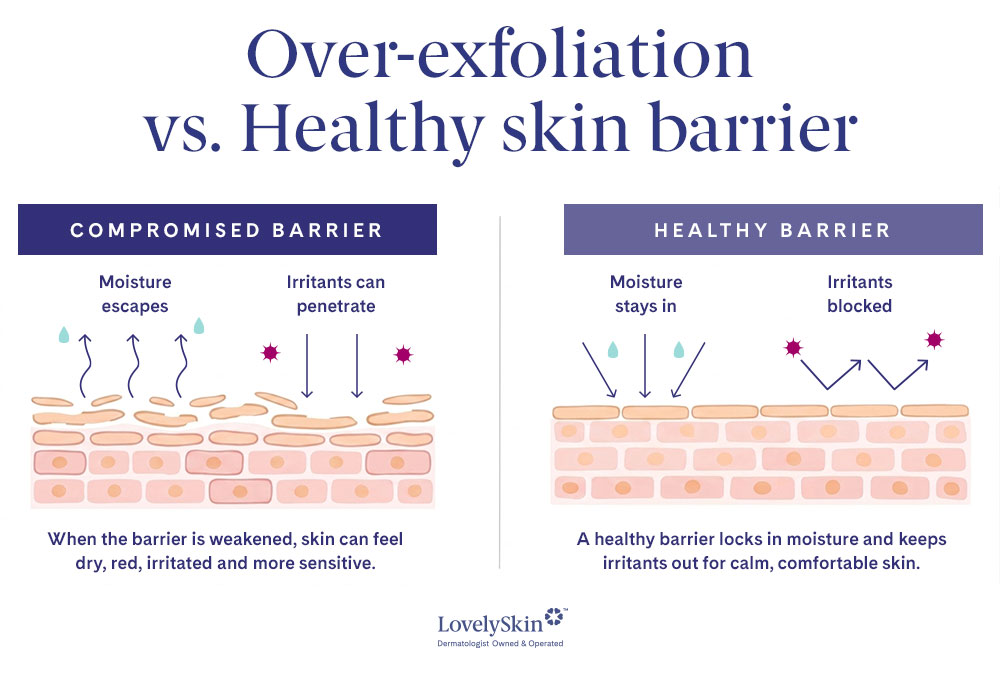
The skin barrier (or stratum corneum) is the outermost layer of your skin. It helps keep moisture in while protecting your skin from environmental irritants and other potentially harmful substances.
Dr. Joel Schlessinger explains, “If you think of your skin as a wall, the skin cells are the bricks and the lipids, ceramides and fatty acids are the mortar that holds them together. When the skin barrier is healthy, skin is better able to maintain its moisture balance and protect itself. When it becomes compromised or is damaged from overzealous rubbing or exfoliation, moisture can escape more easily, leaving skin dry, rough and irritated.”
How does over-exfoliation damage the skin barrier?
Exfoliation works by removing dead skin cells from the surface of the skin, but your skin needs time to recover. Using too many exfoliating products, exfoliating too frequently or combining several exfoliating treatments can disrupt the skin barrier.
“Scrubbing your skin too hard, overusing treatments with exfoliating acids, forgetting to moisturize, combining multiple active ingredients at the same time or picking the wrong time of year to exfoliate are all common causes of skin barrier damage,” says Dr. Daniel Schlessinger. “When you overdo it, you can end up with overly dry skin or irritation.”
Remember that exfoliation can come in several forms. Chemical exfoliants such as alpha hydroxy acids (AHAs), beta hydroxy acids (BHAs) and retinoids can increase skin cell turnover, while physical exfoliants such as scrubs and brushes manually remove dead skin cells. Using multiple exfoliating methods at once may be too much for your skin.
Signs of over-exfoliation
So, how often should you exfoliate your face, and how much exfoliation is too much? Pay attention to how your skin looks and feels. Common signs of an impaired skin barrier include:
- Dryness or flaking
- Redness
- Tightness
- Burning or stinging
- Increased sensitivity
- Rough or irritated patches
- Skin that feels unusually tender
One clue that you may have over-exfoliated is when products that normally feel comfortable suddenly sting or burn when applied. If your symptoms are severe, persistent or worsening, it is best to consult a board-certified dermatologist. Skin irritation can have many causes, and a dermatologist can help determine whether something beyond over-exfoliation is contributing to your symptoms.
How often should you exfoliate your face?
The right frequency depends on your skin type, the strength of the product you are using and what else is already in your routine. As a general starting point, many people do well exfoliating one to three times per week. If your skin is dry, sensitive or easily irritated, once a week or even every other week may be plenty. Oilier or more resilient skin can often tolerate the higher end of that range.
"Exfoliation should leave your skin feeling smooth, not raw," says Dr. Daniel Schlessinger. "If your skin is uncomfortable afterward, that's a sign to go less often or switch to something gentler."
If you are unsure what your skin can handle, a board-certified dermatologist can help you build a routine suited to your skin type and concerns.
How can you rebuild your skin barrier after over-exfoliating?
Start with these easy steps:
Take a break from exfoliation
That means glycolic and lactic acid, salicylic acid, scrubs, enzyme masks, cleansing brushes and at-home peel pads. Pause retinol and vitamin C as well until your skin feels comfortable again.
Switch to a gentle cleanser
When your skin barrier is compromised, cleansing should be as gentle as possible. Choose a mild cleanser and wash with lukewarm (not hot) water. Avoid scrubbing your face and pat your skin dry rather than rubbing. A gentle cleanser can effectively remove dirt, oil, makeup and sunscreen without adding unnecessary damage to your skin.
Focus on hydration
Be sure to prioritize moisture. Look for hydrating ingredients such as ceramides, glycerin and hyaluronic acid, which can help support your skin's moisture balance. A richer moisturizer or barrier cream may be especially helpful if your skin is extremely dry or uncomfortable.
Keep your routine simple
Temporarily stick to the essentials only: a gentle cleanser, hydrating moisturizer and broad-spectrum sunscreen during the day until your skin feels comfortable again. Once your skin starts to heal, you can reintroduce products one at a time to help avoid future irritation.
Don't skip sunscreen
Even when your skin is irritated, sun protection remains an important part of your routine. Apply a broad-spectrum sunscreen daily and minimize sun exposure by seeking shade and wearing protective clothing. If sunscreen stings, look for a gentle formula designed for sensitive skin and apply it carefully without rubbing aggressively.
When can you start exfoliating again?
There is no universal timeline for when your skin will be ready to exfoliate again. The best course of action is to wait until the redness, dryness, stinging and sensitivity have resolved and your skin feels comfortable again.
Ease back into exfoliation rather than immediately returning to your previous routine. Start by adding one exfoliating product at a time and avoid combining multiple exfoliating treatments until you know how your skin responds.
Exfoliation can help reveal smoother, brighter-looking skin, but it is possible to have too much of a good thing. If you have over-exfoliated, resist the urge to correct the problem with even more products. Instead, take a step back, keep your routine gentle, prioritize hydration and give your skin barrier time to recover.
Of course, if your skin continues to feel irritated or if you are unsure which products are causing the problem, it’s best to talk with a board-certified dermatologist.
The best products for skin barrier repair
These dermatologist-recommended formulas help heal damage to the skin barrier after over-exfoliation while also helping prevent future damage.
 Epionce Milky Lotion Cleanser
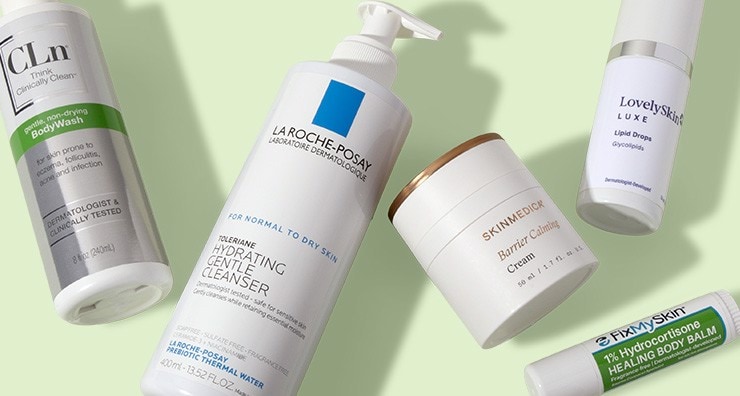
 FixMySkin 1% Hydrocortisone Healing Body Balm
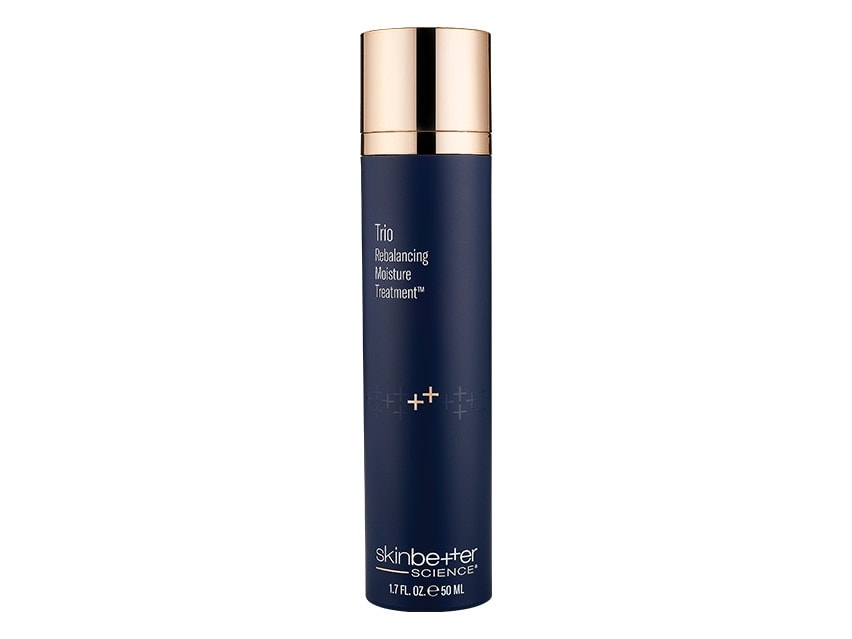
 skinbetter science Trio Rebalancing Moisture Treatment
 SkinMedica Barrier Calming Cream
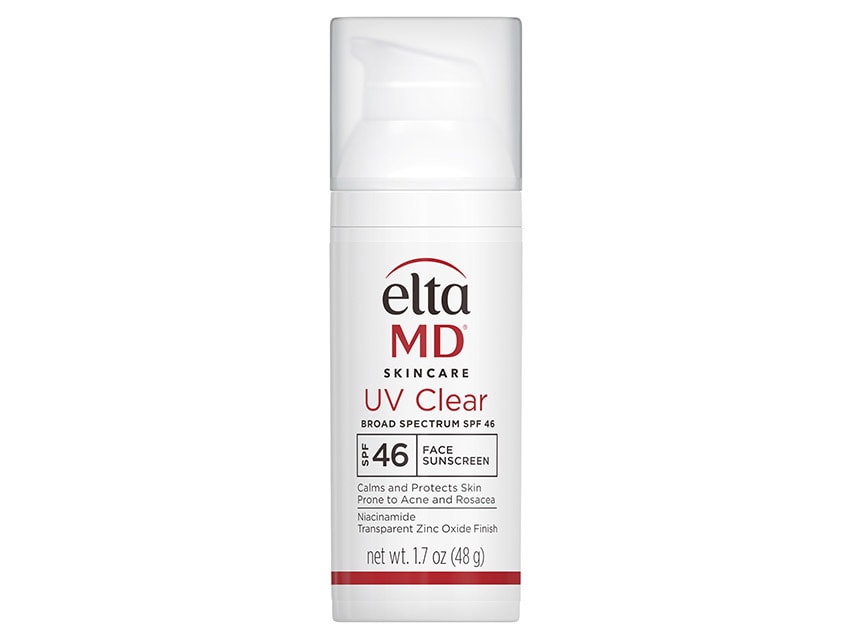
 EltaMD UV Clear Broad-Spectrum SPF 46
 CLn BodyWash
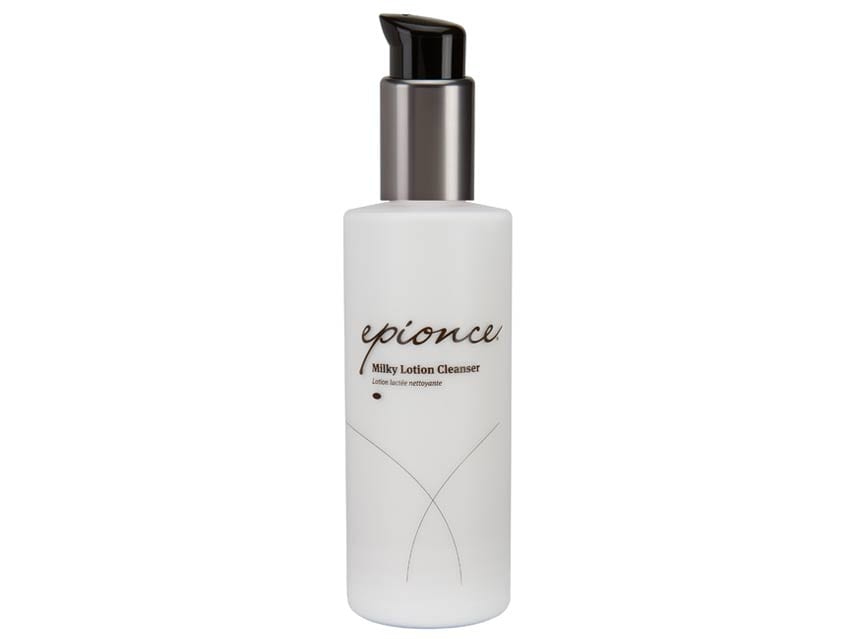
Epionce Milky Lotion Cleanser
This gentle, non-foaming cleanser purifies without damaging the complexion, removing makeup, pollutants, dirt and other impurities while leaving skin soft and moisturized. Date fruit extract and apple fruit extract help support the skin's lipid barrier, making it a smart choice while your skin recovers.
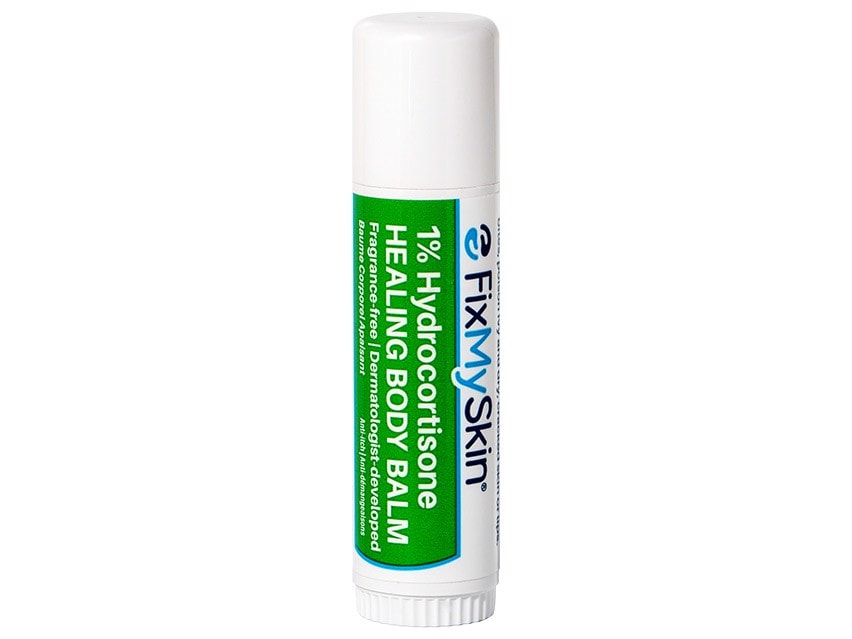
FixMySkin 1% Hydrocortisone Healing Body Balm
Created by Dr. Joel Schlessinger and Dr. Daniel Schlessinger, this fragrance-free balm pairs 1% hydrocortisone with shea butter and cocoa butter to moisturize and replenish skin's barrier function. It targets dryness, itchiness and flakiness, and the stick makes for easy on-the-go application.
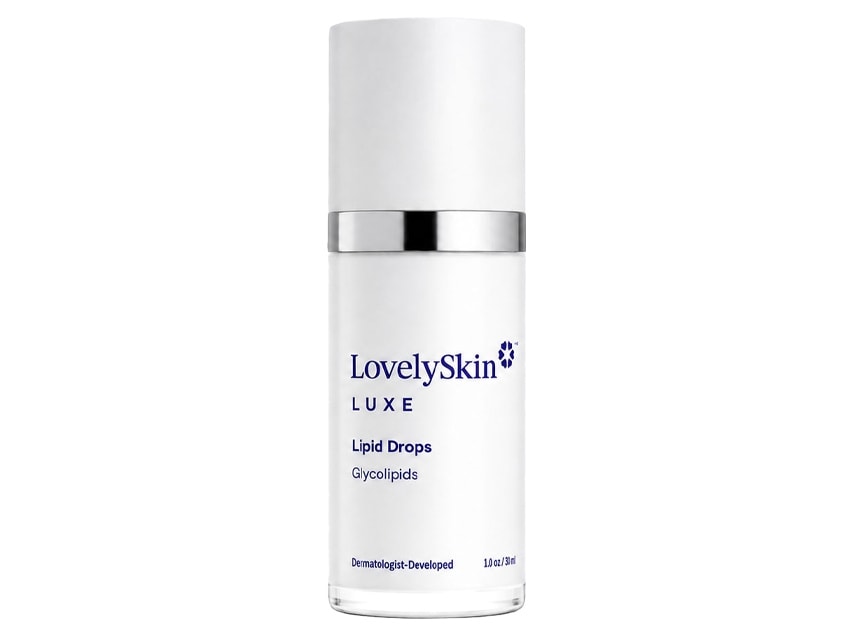
LovelySkin LUXE Lipid Drops
Developed by Dr. Joel Schlessinger, this lightweight treatment replenishes the skin's moisture barrier with glycolipids and phospholipids. Similar to ceramides, these lipids help skin retain moisture, which can be especially beneficial when the skin barrier has been compromised by over-exfoliation.
Pro tip: Use a few drops under your moisturizer, or mix them in.
skinbetter science Trio Rebalancing Moisture Treatment
If a rich cream feels like too much on oily or combination skin, this triple-action formula delivers serious hydration in a lightweight, gel-like texture. Its patented formula features a urea complex and hyaluronic acid for deep hydration, while ceramides and cholesterol reinforce the skin barrier and squalane supports lasting comfort.
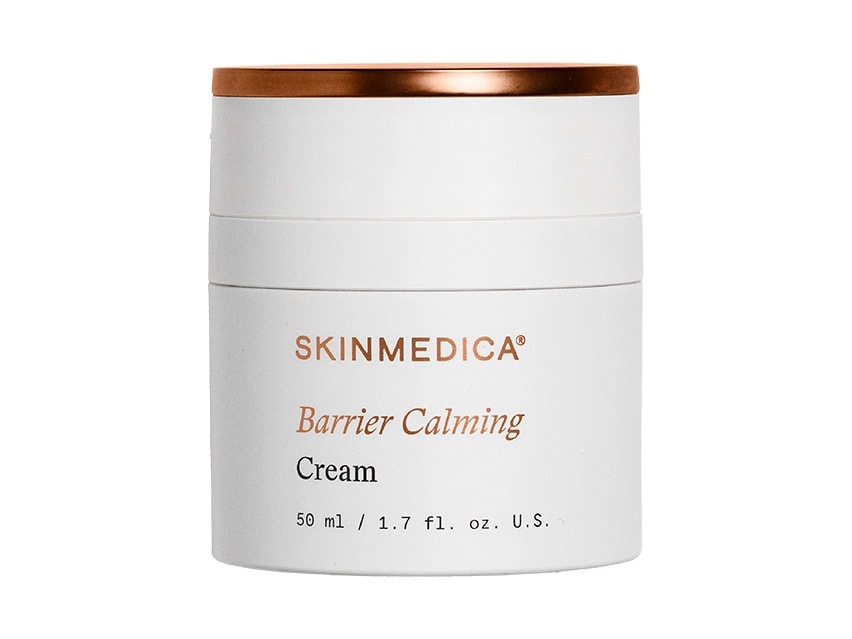
SkinMedica Barrier Calming Cream
Designed for everyday use, including after using active skin care products or undergoing cosmetic procedures, this restorative moisturizer helps soothe dry, sensitive skin. Its Calcium Strengthening Complex helps support the skin's natural barrier, while a Botanical Calming Complex helps comfort and soothe the complexion.
EltaMD UV Clear Broad-Spectrum SPF 46
This oil-free daily sunscreen is a favorite for sensitive, reactive skin. It protects with 9% transparent zinc oxide and 7.5% octinoxate, and 5% niacinamide helps soothe the appearance of redness while supporting a more even-looking complexion. Hyaluronic acid and vitamin E keep skin hydrated and comfortable..
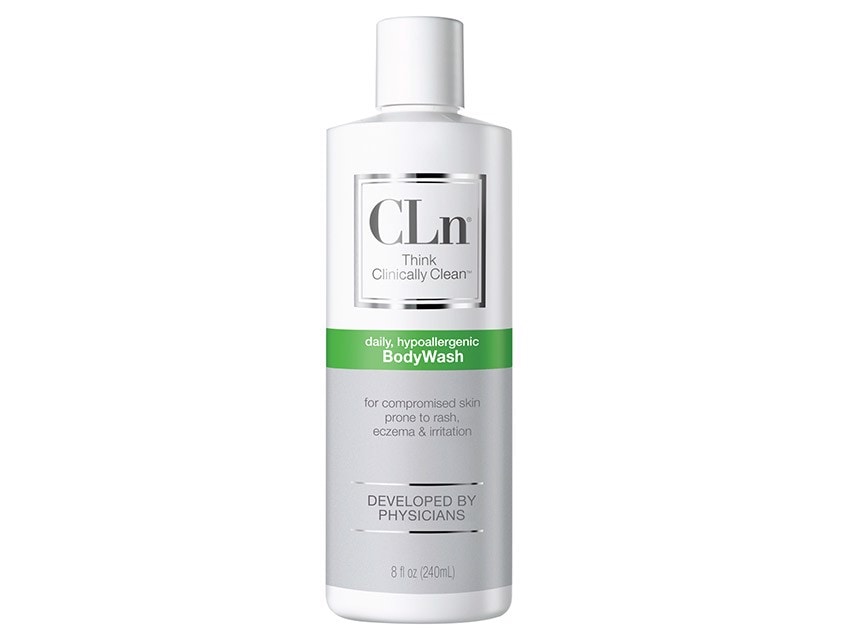
CLn BodyWash
Designed for compromised skin prone to eczema, rashes, folliculitis and more, this gentle cleanser reduces the appearance of redness and relieves dry, flaky skin. Its lower concentration of sodium hypochlorite cleanses effectively without making dryness worse. It’s also fragrance-free, paraben-free, hypoallergenic and holds the National Eczema Association Seal of Acceptance.
Looking for more expert advice? Learn all about how to exfoliate your scalp on the LovelySkin blog.
How to fight stubborn acne with La Roche...
Inside Anthelios sunscreen technology: E...
Follow us on social
Follow us on social networks and be one of the first to learn about sales, giveaways, and free samples