Some breakouts clear up in a few days. Others settle in, flare in the same spots month after month and shrug off every product you throw at them. That kind of acne is frustrating, but it usually isn't a sign that you need something harsher. More often it means the routine is missing something.
Here's what makes acne stubborn, and how to build a routine that clears breakouts while keeping your skin barrier intact.
Why some acne refuses to clear
Stubborn acne is rarely caused by one thing. Excess oil, a buildup of dead skin cells inside the pore, acne-causing bacteria and inflammation all feed into each other, so treating just one piece of the puzzle might leave the rest in place. A single spot treatment dabbed on when a pimple appears addresses the symptom, not the causes.
Two other habits keep breakouts going. The first is over-treating. Layering multiple strong actives, scrubbing aggressively or skipping moisturizer compromises the skin barrier. A compromised barrier means more redness, more sensitivity and slower healing.
"Some of my acne-prone patients assume that moisturizing their skin could cause more breakouts, but it actually depends entirely on whether you need moisture in your skin. While any product can cause breakouts in the wrong situation, if you need moisture, you need it and should use a product that is safe for acne-prone skin," says board-certified dermatologist and LovelySkin CEO Dr. Joel Schlessinger.
The second is inconsistency. Most acne treatments need four to six weeks of steady use before the full effect shows, and stopping early means starting over.
The goal is a layered routine where each step does one job well.
Start with gentle daily exfoliation
Before adding anything strong, make sure pores are actually being cleared. Salicylic acid is oil-soluble, which means it can get inside the pore to loosen the debris that leads to clogs and blackheads.
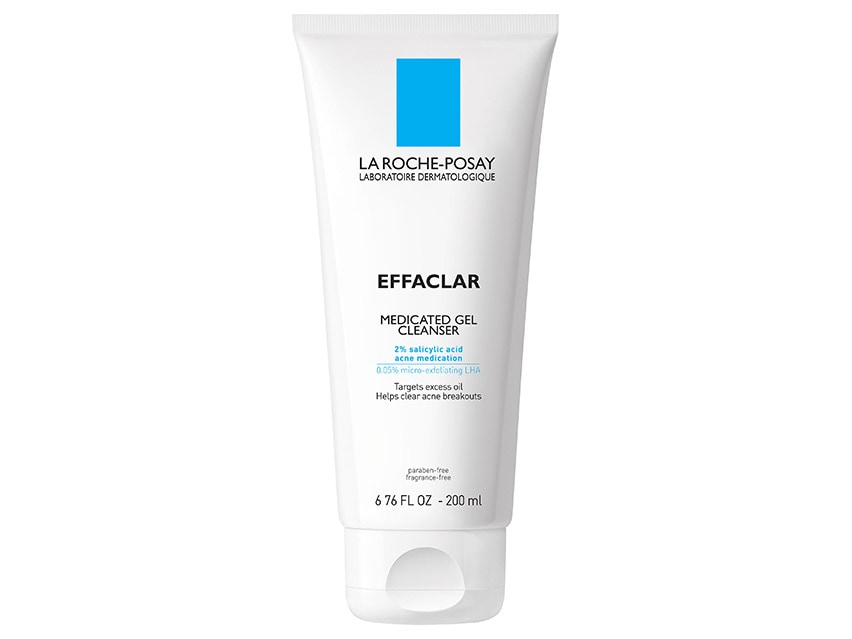
La Roche-Posay Effaclar Medicated Gel Cleanser uses 2% salicylic acid to gently exfoliate and help eliminate blemish-causing bacteria, with lipo-hydroxy acid to help regulate excess oil. It's clinically tested to reduce excess surface oil by up to 47% and it contains glycerin to help offset the drying effect of salicylic acid.
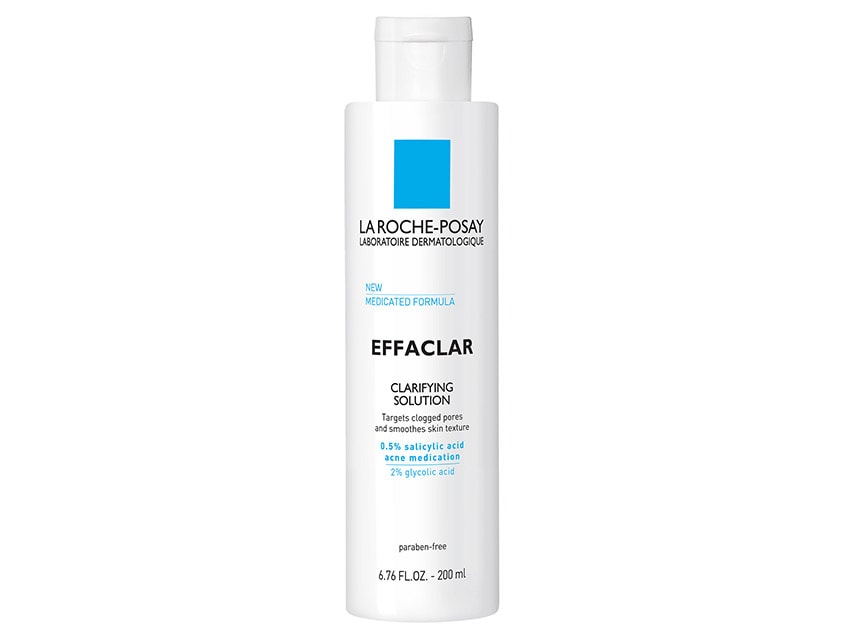
Follow with La Roche-Posay Effaclar Clarifying Solution, which pairs 0.5% salicylic acid with 2% glycolic acid to remove pore-clogging debris and smooth uneven texture. It's oil-free, fragrance-free and tested on sensitive skin. If your skin runs dry or reactive, only use it at night.
Add a multitasking treatment step
This is the layer most stubborn acne routines are missing. A daily treatment keeps working between breakouts, which helps prevent the next round of clogged pores from forming. Pick one daily treatment based on your main concern rather than layering both of the options below.
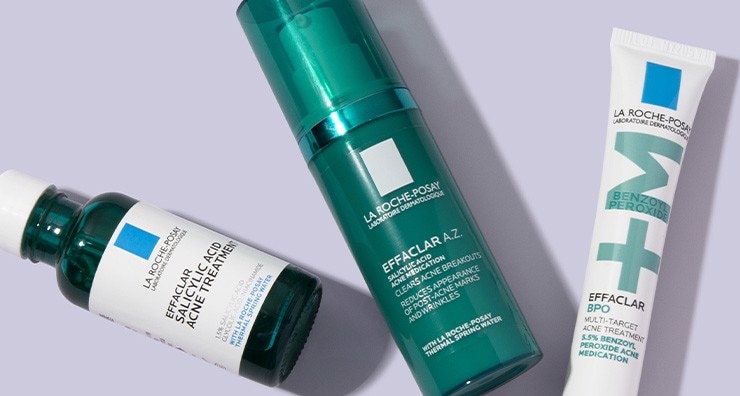
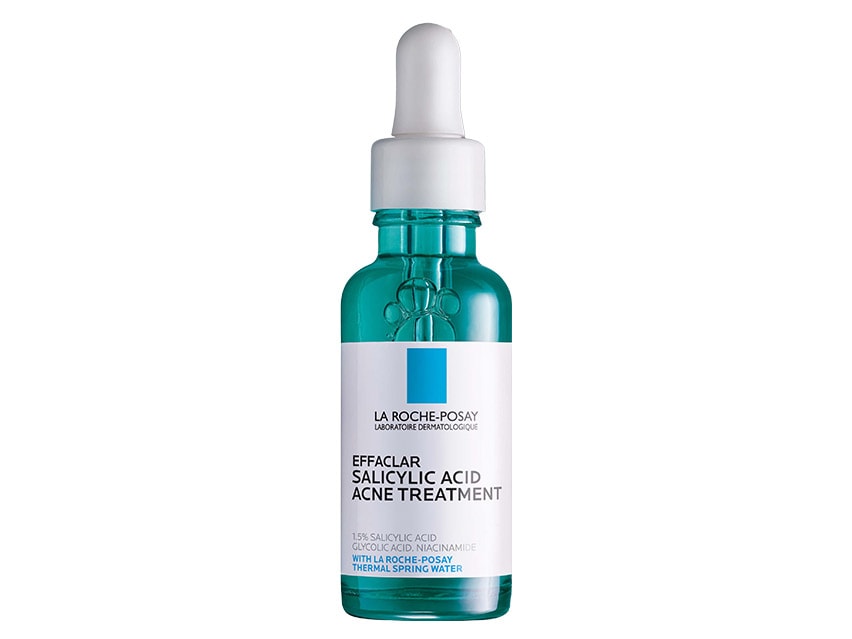
La Roche-Posay Effaclar Salicylic Acid Acne Treatment Serum combines 1.5% salicylic acid, glycolic acid and lipo-hydroxy acid to clear acne and help prevent new breakouts, with niacinamide to help minimize discoloration, fine lines and post-acne marks. In clinical testing, it delivered a 45% reduction of pimples and a 49% improvement of post-acne marks in four weeks, along with a 21% reduction of whiteheads and blackheads.
If lingering marks bother you as much as the breakouts themselves, La Roche-Posay Effaclar A.Z. Gel Azelaic Acid Acne Treatment is worth a look. Azelaic acid is a gentle multitasker, and this formula pairs it with 1.2% salicylic acid to penetrate pores, help prevent new blemishes and reduce the appearance of post-acne marks and wrinkles.

Treat the spots that won't quit
For breakouts that stay inflamed no matter what, a targeted treatment can help. La Roche-Posay Effaclar BPO + M Multi-Target Acne Treatment addresses whiteheads, blackheads, acne blemishes and pimples while allowing skin to heal, and it includes willowherb to help keep skin calm.
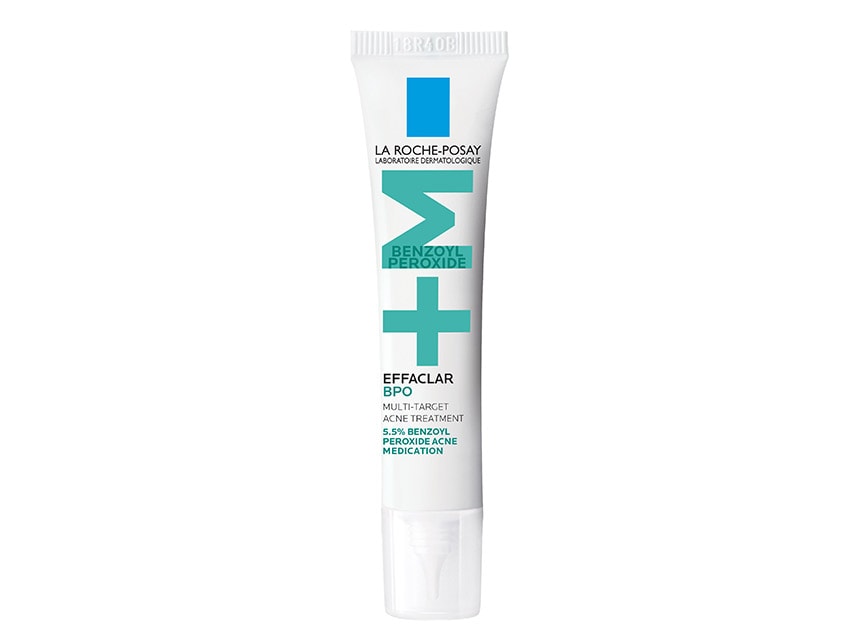
It's worth mentioning in a routine built around tolerability because this formula is designed to be minimally drying and oil-free, with 91% of users experiencing no peeling or flaking in clinical testing. In the same testing, it delivered visibly clearer skin in one day and up to 63% reduction in inflammatory acne in one week among the top 33% of subjects. It's dermatologist-tested and suitable for teen skin.
Use it sparingly and only where you need it. Apply a thin layer to affected areas, starting once daily so your skin can adjust. One practical note: this treatment can bleach fabric, so use white towels and pillowcases and let it absorb fully before getting dressed. It's also available in two sizes and is HSA/FSA eligible with a Letter of Medical Necessity.
Never skip moisturizer and sunscreen
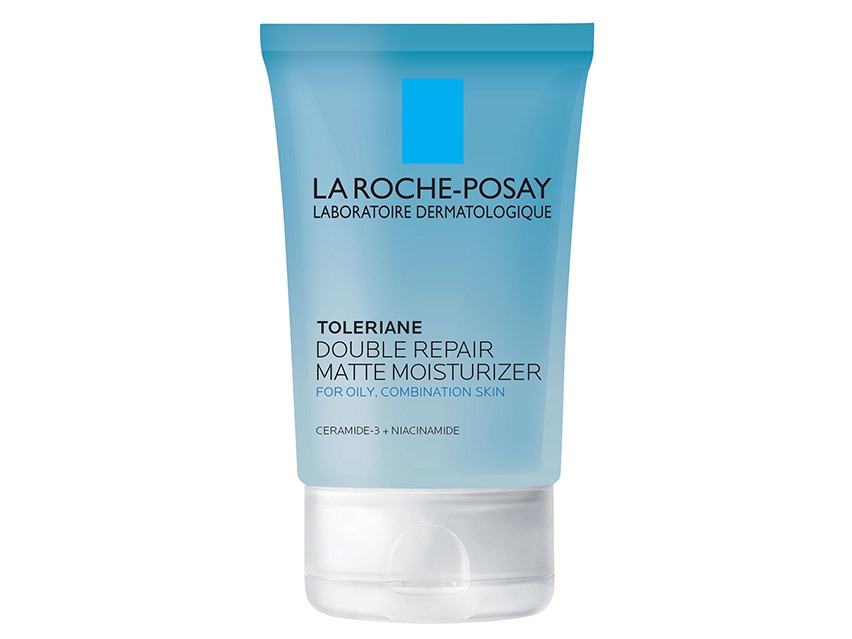
Hydration is what makes an active routine sustainable. La Roche-Posay Toleriane Double Repair Matte Moisturizer is oil-free and non-comedogenic, with ceramides and glycerin to repair the skin barrier and niacinamide to soothe inflammation. Perlite and silica absorb excess oil, so it hydrates without adding shine.
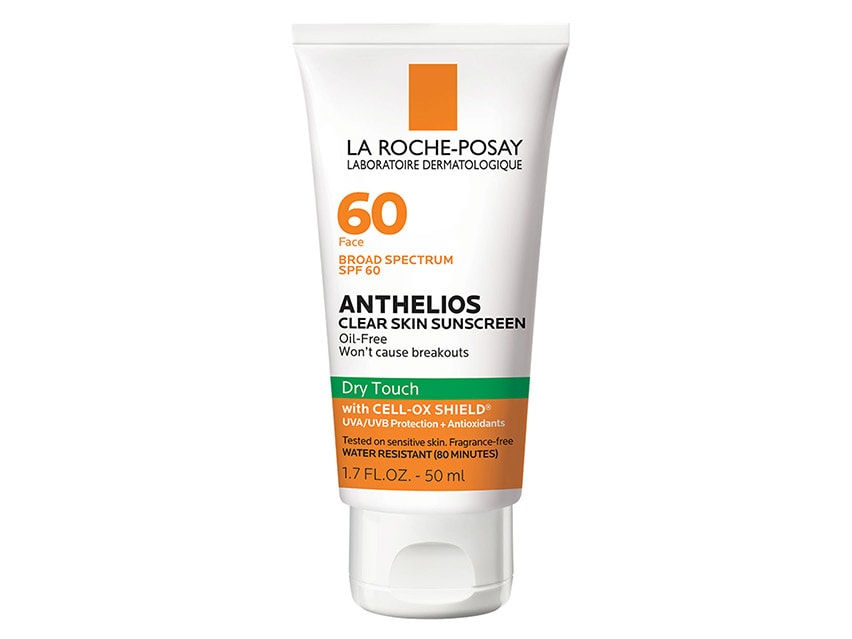
Sun exposure darkens the marks left behind by old breakouts, and exfoliating acids leave skin more sensitive to UV. La Roche-Posay Anthelios Clear Skin SPF 60 Dry Touch Sunscreen is 100% oil-free with a dry-touch finish, water-resistant for up to 80 minutes and recommended for oily, acne-prone skin.
Five habits that make a real difference
- Give it four to six weeks. Early improvement is a good sign, but judge your routine on a month and a half, not a weekend.
- Treat the whole area, not just the spot. Applying your daily treatment across breakout-prone zones helps prevent the next round of clogged pores.
- Add one product at a time. If your skin reacts, you'll know exactly what caused it.
- Keep your hands off. Picking extends healing time and raises the odds of a lingering mark or scar.
- Wash what touches your face. Pillowcases, phone screens and hats all collect oil and bacteria.
When to see a dermatologist
If your acne is deep and painful, leaves scars or hasn't budged after a few months of consistent over-the-counter treatment, it's time for professional help. Cystic and hormonal acne often need prescription treatment, and starting sooner means less risk of permanent scarring.
"The patients I see with the most difficult scarring are usually the ones who waited too long to come in. Treating sooner is always better when it comes to the risk of scarring," says board-certified dermatologist and LovelySkin Medical Director Dr. Daniel Schlessinger. "A good routine can do a lot, but if breakouts are leaving marks behind, that's when you should consider having a board-certified dermatologist look at your skin rather than trying one more product."
Ready to get started? Shop La Roche-Posay Effaclar at LovelySkin for free U.S. shipping, samples and rewards points on every order.
Living Proof is now at LovelySkin
How to rebuild your skin barrier after o...
Follow us on social
Follow us on social networks and be one of the first to learn about sales, giveaways, and free samples