The best moisturizers for every skin type, according to dermatologists
Moisturizer might be the most universal step in skin care, but it can be tricky to get right. What quenches dry, flaky skin can feel greasy on oily skin, and what suits oily skin can leave dry skin wanting more. There’s no single “best” moisturizer. There’s only the best moisturizer for your skin. We asked board-certified dermatologists Drs. Joel and Daniel Schlessinger to break it down so choosing the right formula doesn’t feel so complicated.
What does a moisturizer actually do?
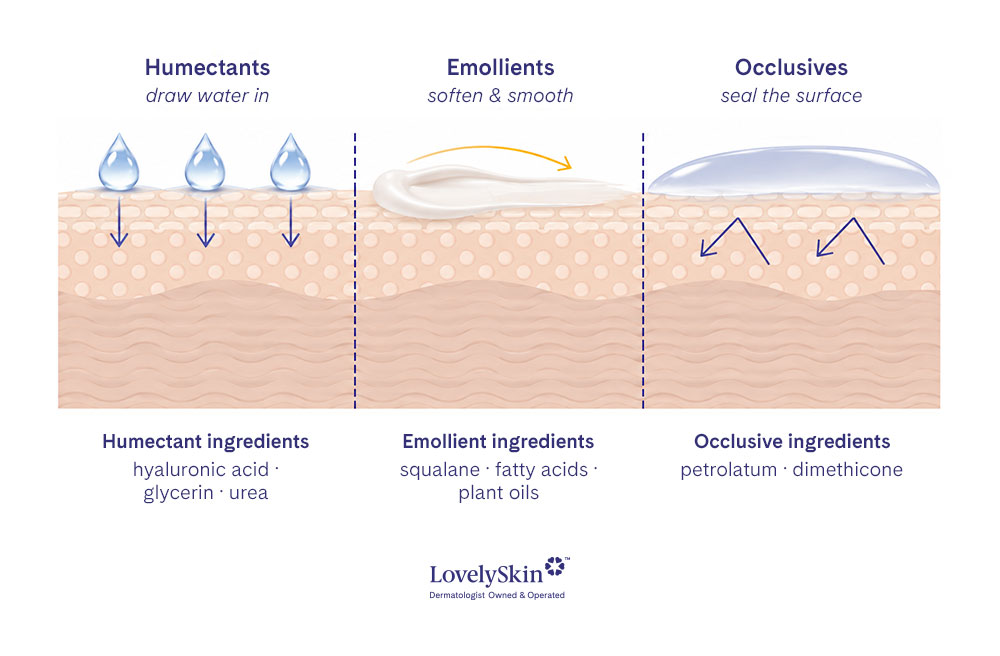
Every moisturizer works through some combination of three ingredient types, and each one does a different job. Humectants like hyaluronic acid, glycerin and urea draw water into the upper layers of skin. Emollients like squalane, fatty acids and plant oils soften the surface by filling in the spaces between skin cells. Occlusives like petrolatum (like you would find in Vaseline or Aquaphor) and dimethicone form a layer on top that slows water loss. How a formula uses these ingredient types, and at what concentrations, is what makes two creams with similar-looking labels feel nothing alike.
"Generally, thicker is better, but that doesn’t mean that everyone needs or wants a thick cream," says board-certified dermatologist Dr. Joel Schlessinger. "A well-formulated lightweight gel with the right humectants can theoretically outperform a thick balm on the right skin and the willingness to use it counts even more. What matters is the balance of ingredients and what your skin needs on a daily basis.”
How do you choose the best moisturizer for your skin type?
Skin type is the easiest place to start, since it points you toward the right texture. Dry and oily skin want opposite things from a moisturizer. Dry skin, which makes less oil and loses moisture quickly, needs emollients and occlusives layered in with humectants. Oily skin is usually already coated in its own surface oil, so it does better with a lightweight, oil-free formula that simply hydrates and stops there without adding extra oil.
"Skin type tells you a lot, but it doesn't tell you everything," says board-certified dermatologist Dr. Daniel Schlessinger. "What your skin needs in January often isn't what it needs in July, even though your skin type hasn't changed. If your usual moisturizer starts feeling tight or greasy out of nowhere, the weather might be worth considering, along with a seasonal shift in products."
Does oily or acne-prone skin still need a moisturizer?
If your skin runs oily or breaks out, skipping moisturizer can be tempting, but that choice often works against the results you're after.
“Oily skin and dehydrated skin aren’t opposites, and that’s the piece people miss,” says board-certified dermatologist Dr. Daniel Schlessinger. "When patients skip moisturizer, the barrier weakens and skin gets more reactive, which makes breakouts harder to treat than they need to be.”
Texture is what separates a moisturizer that helps from one that feels like too much. Lightweight, oil-free formulas made with humectants hydrate without sitting on the surface, so they're often better moisturizers for oily skin. Breakouts can add another layer, so you might want to look for non-comedogenic moisturizers if that’s your main concern. You can also consider a matte-finish moisturizer if you want to keep shine in check.
What makes a moisturizer safe for sensitive skin?
Sensitive skin tends to be more reactive, so it helps to know which ingredients your skin doesn't tolerate. Fragrance is the most common ingredient worth avoiding, while ceramides, cholesterol and calming ingredients like colloidal oatmeal tend to be well tolerated. Rosacea-prone skin follows the same rules, with an extra emphasis on formulas that calm visible redness.
"There are a lot of reasons skin can react to a product, and fragrance is probably the first 100 of them, but preservatives like methylisothiazolinone are a huge factor as well in some individuals," says board-certified dermatologist Dr. Joel Schlessinger. "If something stings or flushes your skin, pay attention to it. Fragrance comes up often enough that going without it is a reasonable starting point, but the real answer is finding products that aren’t heavily fragranced and products that actually pay attention to what is good for the skin and what is bad. It may seem obvious that companies do this, but you would be wrong if you assumed that, unfortunately. That is why we pay attention for you!"
Does mature skin need something different?
If a moisturizer you've used for years starts to feel like it isn't working as well, that can be a sign your skin’s needs have shifted. Skin produces less oil with age, and the surface holds onto water less effectively as natural ceramide levels drop. Mature skin also tends to bounce back more slowly from irritation, so a formula that worked well in the past might not be the best option now.
The upside is that moisturizers can carry ingredients that address more than dryness, like peptides that signal skin to support its own collagen or niacinamide that evens tone while strengthening the barrier.
"Patients often ask me which serum to use, and my answer is generally to look at what products they are using and which serums within that line are good. If there is a good or better-than-good serum within the line, I will probably recommend that one since it is often formulated to work alongside the other cast of characters in the brand. If not, I will try to find a serum that is logical and goes well with that brand. It’s kind of like setting up a dinner party: You want people to complement each other and get along!," says board-certified dermatologist Dr. Joel Schlessinger. "For example, a well-formulated moisturizer with peptides or niacinamide does more for mature skin than a shelf of products that can cause irritation when used together. If your skin is comfortable, you'll stay consistent, and consistency is what actually garners results."
The best moisturizers for every skin type
These dermatologist-favorite picks span every skin type, so you can find a formula that fits your skin's specific needs.
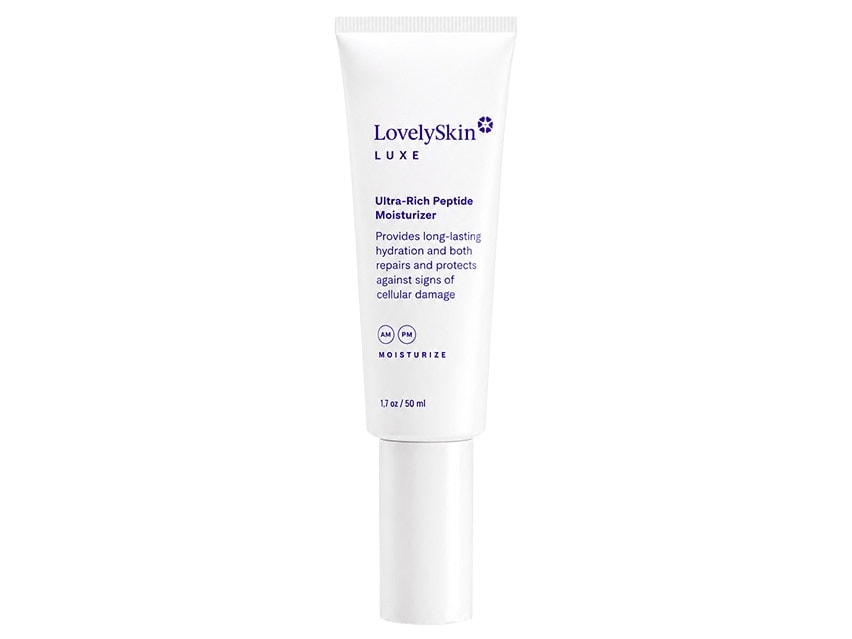
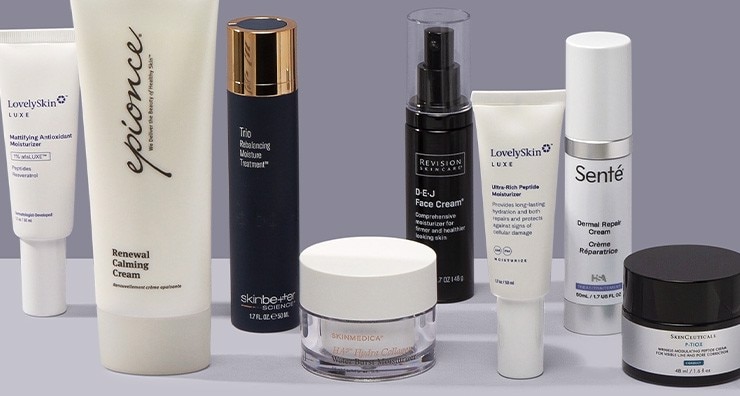
Best moisturizer for dry skin: LovelySkin LUXE Ultra-Rich Peptide Moisturizer
Formulated for normal to dry skin, this rich cream combines peptides and pomegranate oil with argan and grapeseed oils to nourish and revitalize. Shea butter and squalane soften the surface while afaLUXE™, a dermatologist-developed molecule, supports the moisture barrier and encourages cellular turnover.
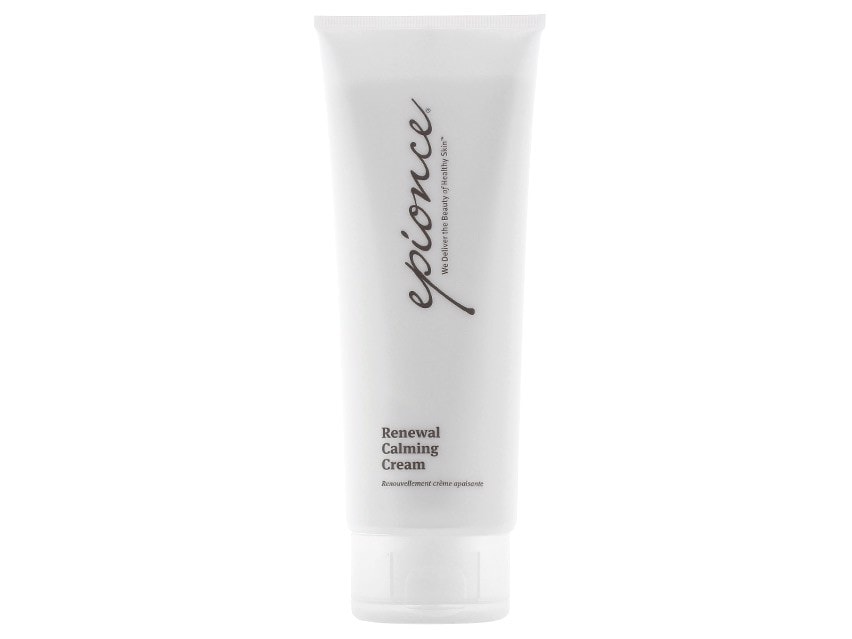
Best moisturizer for sensitive skin: Epionce Renewal Calming Cream
Made for very dry, highly sensitive skin (including skin prone to eczema), this nourishing cream uses colloidal oatmeal, cholesterol and ceramides to soothe and support the moisture barrier. It’s fragrance-free and non-comedogenic and can be used on the face and body, making it a smart choice for sensitive and reactive skin.
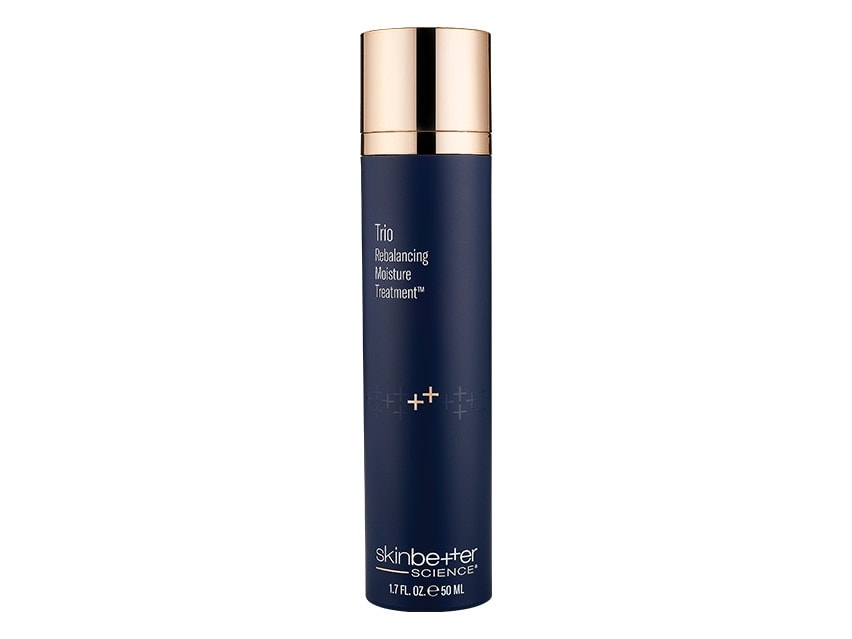
Best moisturizer for normal skin types: skinbetter science Trio Rebalancing Moisture Treatment
Designed for skin that needs hydration without heaviness, this lightweight gel-cream uses a urea complex for intense moisture while ceramides and cholesterol reinforce the moisture barrier. Squalane and sodium hyaluronate support lasting hydration, and the non-comedogenic formula absorbs quickly for improved radiance and smoothness.
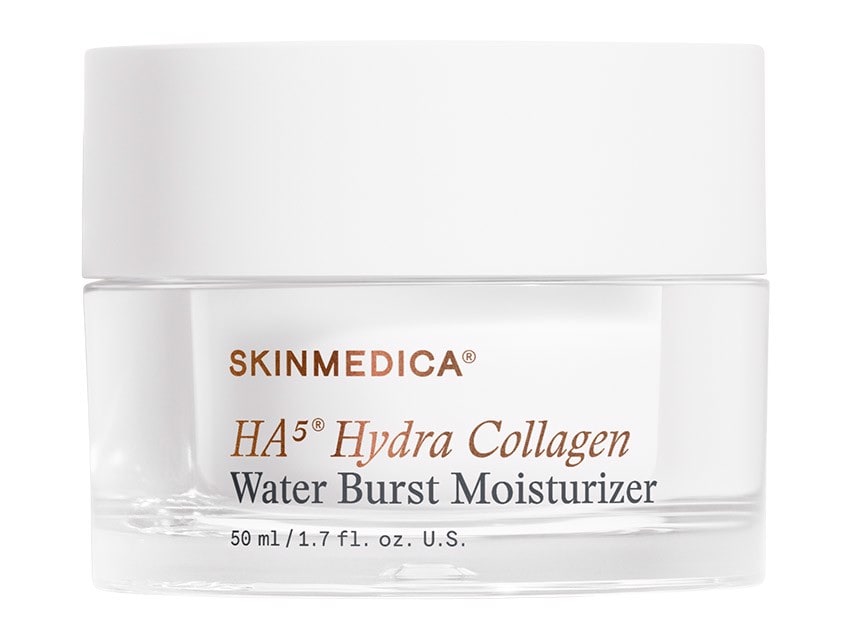
Best moisturizer for oily skin: SkinMedica HA5 Hydra Collagen Water Burst Moisturizer
Ideal for someone in need of hydration that doesn't feel heavy, this oil-free formula pairs five forms of hyaluronic acid with vegan Hydra Collagen to leave skin plump and dewy. A Microbiome Barrier Complex with prebiotics supports the skin barrier, and the water-burst texture absorbs on contact, making it a great option for anyone who prefers a lighter finish.
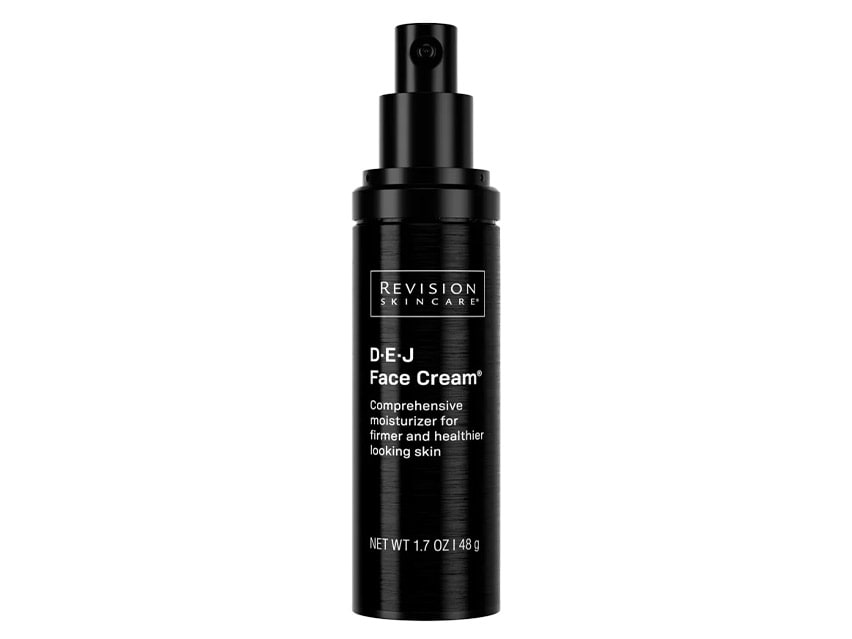
Best moisturizer for combination skin: Revision Skincare D·E·J Face Cream
Ideal for someone who wants a daytime moisturizer that does more than hydrate, this oil-free cream combines multiple peptides, vitamin C and goji fruit extract to smooth fine lines and even skin tone. A proprietary ceramide blend and prebiotic technology support the moisture barrier and the skin's microbiome, leaving a soft, supple texture.
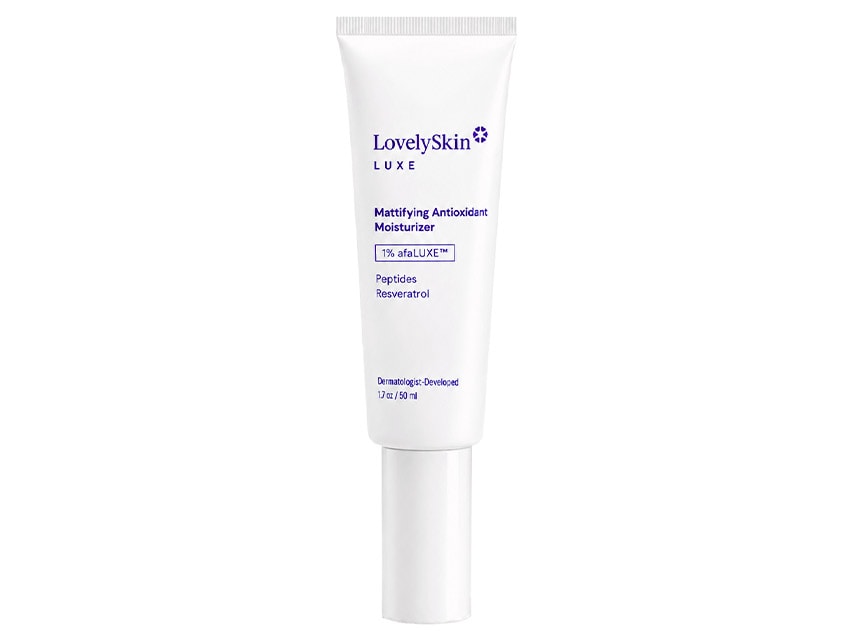
Best moisturizer for acne-prone skin: LovelySkin LUXE Mattifying Antioxidant Moisturizer
Formulated to balance oil and minimize shine, this oil-free, non-comedogenic moisturizer strengthens the moisture barrier while leaving behind a soft, matte finish. Resveratrol and vitamin C shield skin against free radical damage, and afaLUXE™ encourages cellular turnover for a smoother, clearer-looking complexion.
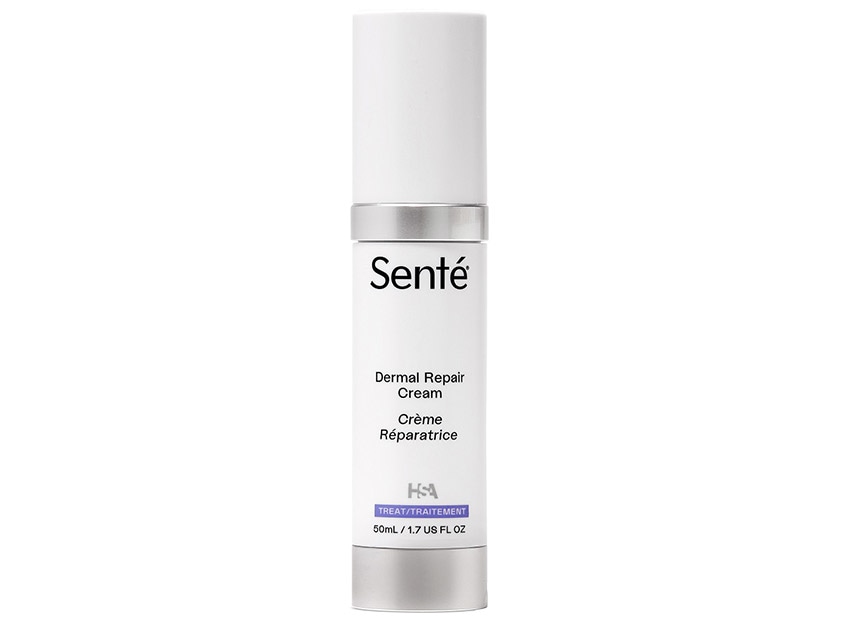
Best moisturizer for rosacea-prone skin: Sente Dermal Repair Cream
Gentle enough for rosacea-prone skin and accepted by the National Rosacea Society, this hydrating cream relies on patented Heparan Sulfate Analog (HSA) to support the skin's natural repair process. Green tea extract adds soothing antioxidant protection, and the lightweight formula absorbs quickly without clogging pores.
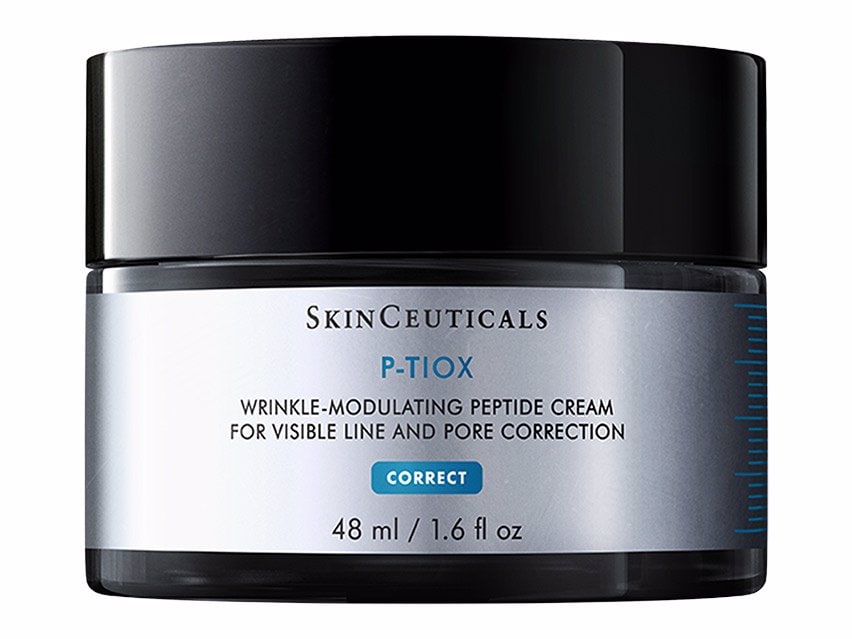
Best moisturizer for mature and aging skin: SkinCeuticals P-TIOX Wrinkle Modulating Peptide Cream
Made for mature skin that wants more than just hydration, this injection-inspired cream uses an anti-wrinkle peptide to address persistent deep-set, static lines. Niacinamide works alongside it to refine the look of pores and boost radiance, leaving skin smoother and brighter.

About the Author
Ashley is a Digital Content Specialist at LovelySkin with a passion for non-fiction and poetry writing. In her spare time, she enjoys trying new lip products, spoiling her pets, going to concerts, and reading.
Other Posts by AshleyFollow us on social
Follow us on social networks and be one of the first to learn about sales, giveaways, and free samples