For the first time in more than 20 years, the US has a new sunscreen filter. In June 2026, the FDA added bemotrizinol, better known as BEMT, to its list of permitted sunscreen active ingredients. Shoppers in Europe, Asia, and Australia have had access to this filter for years, and now it’s finally showing up in sunscreens made for the US market.
Why all the excitement? BEMT offers broad-spectrum protection with particularly strong UVA protection, the rays most closely tied to premature aging. “When compared with existing US filters, bemotrizinol excels in the UVA department,” says Dr. Joel Schlessinger, board-certified dermatologist, Mohs surgeon, cosmetic surgeon, and LovelySkin CEO. “That’s important because UVA rays are major contributors to premature aging and skin cancer. It’s important to know, though, that BEMT alone generally isn’t effective enough to carry the entire lift of sunscreen. We know this because Europe has used it for many years, and they cap BEMT at 10% in their sunscreens. This means they cover the UVB component with other filters, and BEMT is used only in low-SPF and low-UVA sunscreens when used alone. The main reason it is used, however, is to lower the percentages of other filters and because it doesn’t absorb into the skin as much as other chemical filters.”
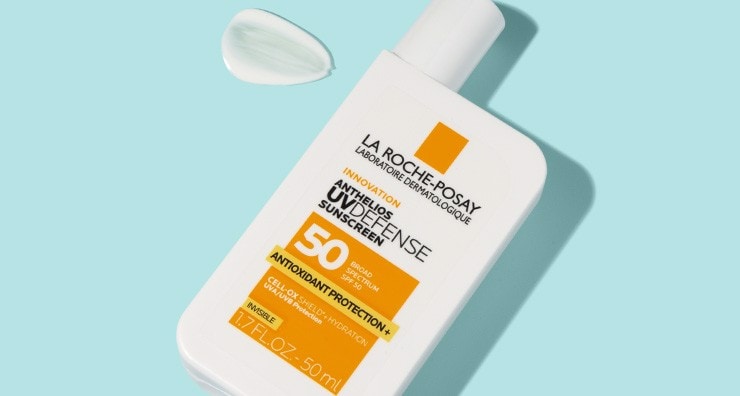
Below, we break down what BEMT is, how it works, and why one of the first formulas to feature it, La Roche-Posay Anthelios UVDefense Sunscreen SPF 50 with BEMT, could help in your daily skin care routine.
What is BEMT?
BEMT is short for bemotrizinol, a chemical sunscreen filter. On European, Asian, and Australian labels, you may see it listed by its full chemical name, bis-ethylhexyloxyphenol methoxyphenyl triazine. You may also hear it called by supplier trade names like Tinosorb S or Parsol Shield. “Parsol Shield and Tinosorb S are supplier trade names, but ‘bemotrizinol’ is the name that matters on the label,” says Dr. Daniel Schlessinger, board-certified dermatologist, Mohs surgeon, and cosmetic surgeon.
Like all chemical filters, BEMT absorbs UV light rather than sitting on top of skin the way mineral filters such as zinc oxide do. It is a relatively broad-spectrum filter, which means it helps protect against both UVB rays, which cause sunburn, and UVA rays, which contribute to premature aging. It’s especially strong in the UVA range.
That UVA coverage is important. SPF only measures protection from UVB. UVA rays don’t burn, but they are present year-round, even on cloudy days and through windows. Until now, US sunscreens have relied mainly on avobenzone and zinc oxide for UVA protection.
Why did BEMT take so long to reach the US?
In the US, sunscreen is regulated as an over-the-counter drug. That means the FDA must review every active ingredient and add it to its sunscreen monograph before brands can use it. Before BEMT, the FDA had not added a new ingredient to that list since 1999.
The path for new filters opened after the CARES Act of 2020 updated how the FDA reviews over-the-counter drug ingredients. Here is how BEMT moved through that process:
- September 2024: The ingredient supplier asked the FDA to add bemotrizinol to the sunscreen monograph.
- December 2025: The FDA proposed adding it and opened a public comment period.
- June 2026: The FDA issued a final order adding bemotrizinol to the list of permitted sunscreen ingredients.
- August 2026: The order took effect, and BEMT sunscreens began arriving on US shelves.
The FDA considers bemotrizinol generally recognized as safe and effective for adults and children 6 months and older at concentrations up to 6%.
Benefits of BEMT
Advanced UVA protection
BEMT helps fill a long-standing gap in US sunscreens by boosting protection against UVA rays, which reach deeper layers of skin than UVB and contribute to fine lines, wrinkles, and dark spots over time.
Stays stable in the sun
Some sunscreen filters break down when exposed to sunlight, which reduces how well they protect. BEMT holds up in the sun. It also helps keep avobenzone stable, since avobenzone tends to degrade on its own.
A strong team player
BEMT works best alongside other filters. “Bemotrizinol generally isn’t potent enough by itself to create the high-SPF products most consumers want, so you should expect to see it combined with ‘old’ ingredients such as avobenzone, octocrylene or zinc oxide,” says Dr. Daniel Schlessinger. Combining filters is how sunscreens cover the full range of UVA and UVB rays.
Gentle and invisible on skin
“Bemotrizinol appears to have a low potential for irritation and very little systemic absorption, which may make it an appealing option for sensitive skin,” Dr. Daniel Schlessinger explains. And since it is a chemical filter, “it does not inherently create the white cast associated with some mineral sunscreens. Because of the cast of characters it is going to be associated with in sunscreens, I won’t be recommending it for pregnant women or babies, but I will use it in school-agers, adolescents and adults, of course.”
Minimal absorption into the bloodstream
Studies using repeated applications of sunscreen containing 6% BEMT found minimal systemic absorption, even when applied over most of the body. This makes it an appealing option for people concerned about sunscreen ingredient absorption. It’s important to note, though, that these findings apply to BEMT itself, since other active ingredients in any given formula may have different absorption profiles.
Who should try a BEMT sunscreen?
BEMT is a smart choice for nearly anyone who wears sunscreen daily, but it may be especially appealing if you:
- Want stronger protection against UVA rays and visible signs of aging
- Have sensitive skin and want a filter with low irritation potential
- Prefer a sunscreen that won’t leave a white cast
- Spend time near windows or in the car, where UVA rays still reach your skin
Keep in mind that a sunscreen's overall feel depends on the full formula. “Greasiness, breakouts and cosmetic elegance will still depend on the entire formulation,” says Dr. Daniel Schlessinger. That’s why choosing a well-formulated product matters as much as the filter itself.
Try it: La Roche-Posay Anthelios UVDefense Sunscreen SPF 50 with BEMT
La Roche-Posay has been formulating with BEMT internationally for years, and La Roche-Posay Anthelios UVDefense Sunscreen SPF 50 with BEMT brings that expertise to the US. This face sunscreen delivers advanced UVA protection while remaining weightless, absorbing quickly and leaving an invisible finish.
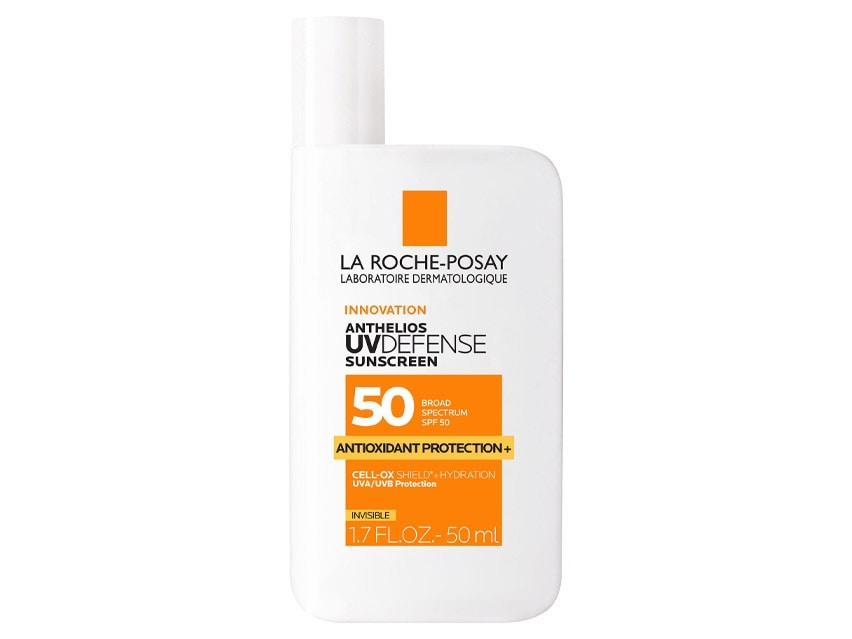
The broad-spectrum formula pairs 2% bemotrizinol with four proven filters: avobenzone, homosalate, octisalate, and octocrylene. La Roche-Posay says it earns PA++++, the highest rating on the PA scale for UVA protection.
It does more than shield skin from the sun. The brand’s amplified Cell-Ox Shield® antioxidant complex provides 16-hour antioxidant and anti-pollution defense to help protect skin from environmental damage. The formula also hydrates for up to 24 hours, so skin feels comfortable all day.
What we love about it:
- Advanced UVA protection powered by BEMT
- Broad-spectrum SPF 50
- Weightless texture that absorbs quickly with an invisible finish
- Up to 24 hours of hydration
- Suitable for all skin types, including sensitive skin
- Wears well alone or under makeup
How to get the most from your sunscreen
Even the most advanced filter only works when you apply it correctly. Follow these steps every day:
- Step 1: Apply sunscreen as the last step of your skin care routine, after moisturizer and before makeup.
- Step 2: Use a generous amount on your face and neck 15 minutes before sun exposure.
- Step 3: Reapply at least every two hours, and more often if you are swimming or sweating.
- Step 4: Wear it year-round, including on cloudy days, since UVA rays reach your skin in every season.
- Step 5: Pair sunscreen with other sun protection measures, such as a wide-brimmed hat, sunglasses, and seeking shade.
For children under 6 months of age, ask a doctor before using sunscreen. Our clinic only recommends physical/mineral sunscreens for this age group.
BEMT FAQ
Is BEMT a mineral or chemical sunscreen filter?
BEMT is a chemical (organic) filter. It absorbs UV light instead of sitting on top of skin like mineral filters do, which is why it doesn’t leave a white cast.
Is BEMT safe?
The FDA considers bemotrizinol generally recognized as safe and effective for use in sunscreens for adults and children 6 months and older at concentrations up to 6%. It has also been used in sunscreens in Europe, Asia, and Australia for years.
How do I find BEMT on a sunscreen label?
Check the active ingredients in the Drug Facts panel for “bemotrizinol.” The percentage appears next to the ingredient name. A lower percentage isn’t a red flag, since SPF reflects all of the filters working together. Look for “broad spectrum” and an SPF of 30 or higher.
Is BEMT the same as Tinosorb S?
Yes. Tinosorb S and Parsol Shield are supplier trade names for the same ingredient, bemotrizinol.
Can BEMT replace my other sunscreen ingredients?
No. BEMT works best in combination with other filters, which is how sunscreens achieve high SPF values and full broad-spectrum coverage.
Where can I buy bemotrizinol sunscreen?
You can find bemotrizinol sunscreen right here on LovelySkin.com with the new La Roche-Posay Anthelios UVDefense.
Upgrade your daily sun protection
BEMT marks a major step forward for US sunscreens, with stronger UVA protection, excellent sun stability, and a cosmetically elegant feel. If you’re ready to experience it for yourself, shop La Roche-Posay Anthelios UVDefense Sunscreen SPF 50 with BEMT and the full La Roche-Posay Anthelios collection at LovelySkin.
Have questions about finding the right sunscreen for your skin? Our customer care team is here to help.
Follow us on social
Follow us on social networks and be one of the first to learn about sales, giveaways, and free samples