Dermatologist-approved tips for managing perioral dermatitis
If you’ve been on social media recently, you may have heard about a condition called perioral dermatitis. This common yet often frustrating concern can cause clusters of small red bumps, irritation or dryness around the mouth, nose or chin that may be difficult to clear. It can resemble acne or rosacea; however, it requires a very different treatment approach. Understanding the causes of perioral dermatitis—and what dermatologists recommend to manage it—can help calm flare-ups and support long-term skin health. In this blog, we’ll discuss:
- What is perioral dermatitis?
- What causes perioral dermatitis?
- Dermatologist-recommended ways to manage perioral dermatitis
- What to avoid during a perioral dermatitis flare up
- When to see a board-certified dermatologist
- The best products for perioral dermatitis
What is perioral dermatitis?
Perioral dermatitis is an inflammatory skin condition that typically appears as small red or flesh-colored bumps around the mouth, sometimes extending to the nose or eyes. Unlike run-of-the-mill acne, it may feel itchy, tight or burn rather than feeling tender like a blemish or breakout.
Board-certified dermatologist, Mohs surgeon and cosmetic surgeon, Dr. Joel Schlessinger explains, “Perioral dermatitis is driven by inflammation and a disrupted skin barrier. If you suspect you have perioral dermatitis, gentle cleansing and avoiding heavy or irritating products are crucial to avoiding further irritation. Treating perioral dermatitis successfully usually requires seeing a dermatologist for prescription medication as well as a simplified skin care routine rather than relying on aggressive skin care products.”
What causes perioral dermatitis?
One of the most challenging aspects of perioral dermatitis is identifying the trigger. In many cases, it’s linked to topical products rather than internal factors or poor hygiene.
Board-certified dermatologist, Mohs surgeon and cosmetic surgeon, Dr. Daniel Schlessinger explains, “With perioral dermatitis, less is more. It is crucial to avoid strong topical steroids, harsh skin care products, and certain dental practices. Most importantly, you will most likely need to see a board-certified dermatologist as this rash is rarely able to be fully treated without prescription medication as it involves a multitude of problems that combine to cause what is seen as perioral dermatitis.”
Common perioral dermatitis triggers include:
- Use of strong topical steroids, even short-term or steroid nasal sprays such as Flonase
- Heavy or occlusive skin care products, including rich creams, oils, ointments or “slugging” with Vaseline or Aquaphor
- Frequent mask wearing, especially less breathable masks such as N95 masks
- Fluoride or fluorinated toothpastes that are colored or with irritating ingredients
- Teeth whitening strips
- Mint or cinnamon products, including chewing gum, toothpaste, or mouth rinse
- Harsh cleansers or exfoliants, including retinols
- Overuse of acne treatments or active ingredients
Dermatologist-recommended ways to manage perioral dermatitis
If you have experienced flare-ups and wondered if perioral dermatitis will go away, the short answer is yes. One of the most effective, dermatologist-approved strategies for treating perioral dermatitis is simplifying your skin care routine. This often means eliminating anything that could further irritate or harm the skin barrier.
“Think of it as an elimination diet,” explains Dr. Daniel Schlessinger. “The goal is to reduce inflammation and allow the skin barrier to recover. A compromised skin barrier plays a major role in perioral dermatitis. When the barrier is weakened, skin becomes more reactive and prone to inflammation.”
“Supporting barrier repair is essential,” adds Dr. Joel Schlessinger. “Gentle cleansers and lightweight, non-occlusive moisturizers can help restore balance without trapping in heat or bacteria, which can make perioral dermatitis symptoms worse.”
Our team recommends looking for products with ingredients like ceramides, glycerin and niacinamide, which help reinforce and strengthen the skin barrier while calming irritation.
“Perioral dermatitis treatment often requires patience. While mild cases may improve with product changes alone, more persistent cases may need prescription support. It’s important to see a board-certified dermatologist if your symptoms continue or worsen,” adds Dr. Joel Schlessinger.
If you suspect you have perioral dermatitis, you can immediately try:
- Switching to a gentle, fragrance-free cleanser
- Avoiding exfoliants, scrubs and acids
- Skipping heavy creams and occlusive balms around the mouth
- Using minimal makeup—or none—during active flares
If your perioral dermatitis symptoms do not improve with at-home modifications to your routine, you probably need to see a board-certified dermatologist for prescription treatments that may include:
- Oral antibiotics, anti-yeast pills, or oral ivermectin
- Topical antibiotics such as clindamycin
- Topical anti-inflammatory medications
What to avoid during a perioral dermatitis flare up
When managing perioral dermatitis, what you don’t do can be just as important as the steps you take to heal it. Perioral dermatitis healing can be slow, so it’s important to prevent further irritation. We recommend avoiding:
- Heavy moisturizers and oils around the mouth
- Physical or chemical exfoliation
- Harsh acne treatments like benzoyl peroxide
- Frequent product switching
Sticking to a consistent, dermatologist-recommended routine gives your skin the best chance to heal.
When to see a board-certified dermatologist
If symptoms persist beyond a week, worsen or begin spreading, it’s time to consult a dermatologist. Professional evaluation ensures an accurate diagnosis and an appropriate perioral dermatitis treatment plan.
“I see many patients who have struggled with perioral dermatitis for months or even years without ever seeing a dermatologist. This is unfortunate, because with prescriptions and careful skincare advice, we are usually able to clear it up fairly quickly,” says Dr. Daniel Schlessinger.
Perioral dermatitis can be stubborn, but it’s manageable with the right approach. By understanding the triggers, simplifying your routine and following dermatologist-approved treatment strategies, you can calm inflammation and support long-term skin health.
As Dr. Joel Schlessinger emphasizes, “Gentle care, patience and consistency are key. When you work with your skin instead of against it, healing follows.”
The best products for perioral dermatitis
Whether you’ve never experienced perioral dermatitis or you’re actively treating it, these are our favorite products for keeping skin healthy, comforted and clear.
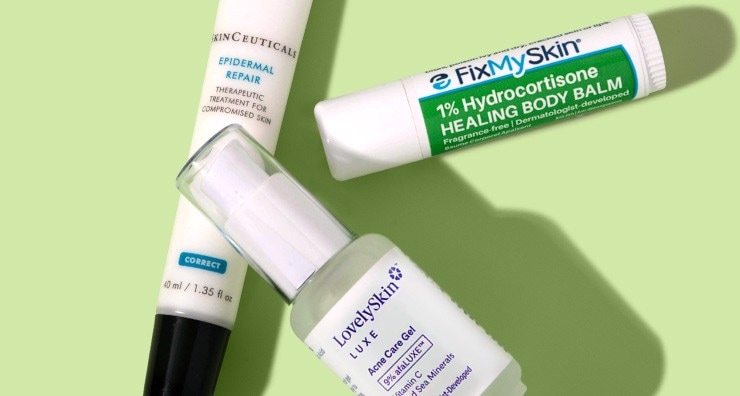
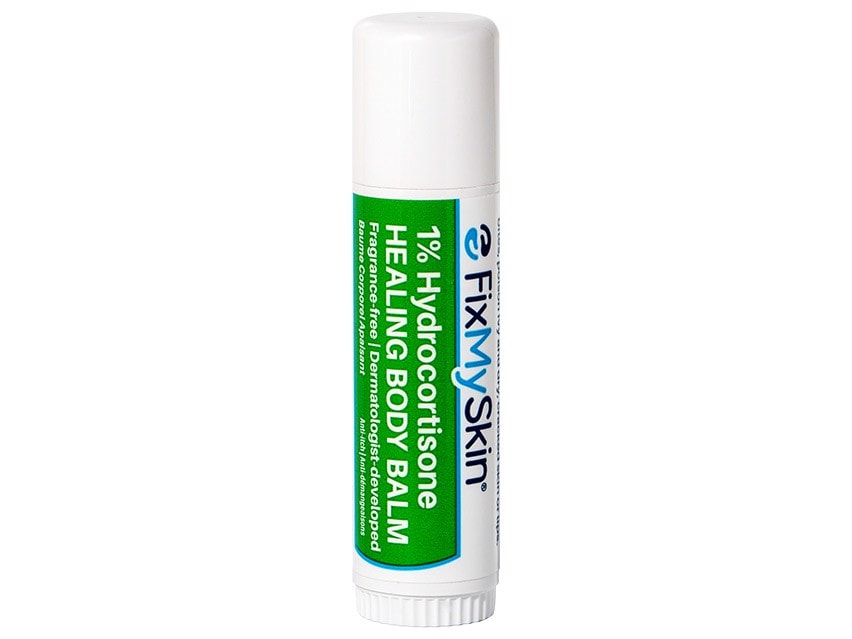
FixMySkin 1% Hydrocortisone Healing Body Balm – Fragrance-Free
Formulated with 1% hydrocortisone, this targeted balm helps calm visible redness, itching and inflammation during stubborn flare-ups. A nourishing base of shea and cocoa butters supports the skin barrier while sealing in moisture to reduce dryness and discomfort.
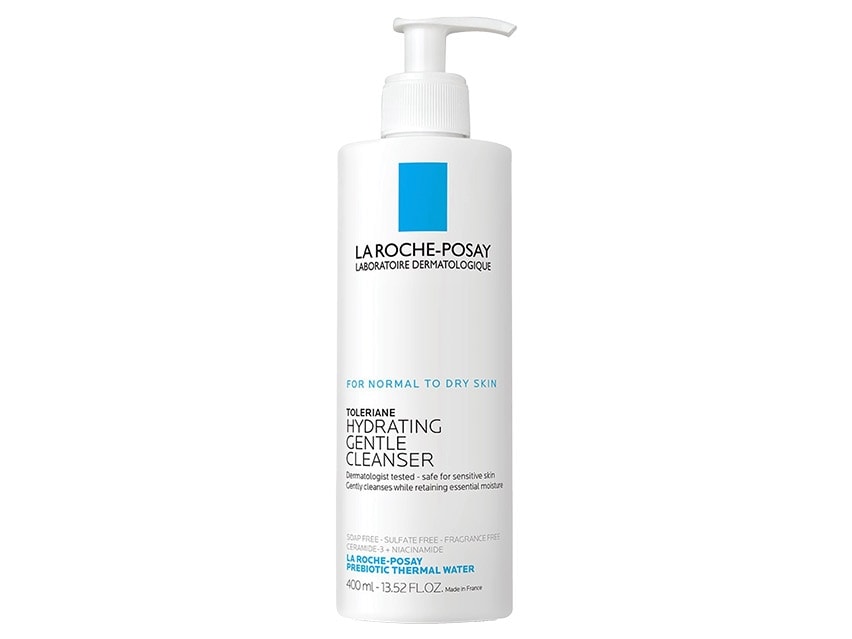
La Roche-Posay Toleriane Hydrating Gentle Cleanser
This gentle cleanser uses glycerin and ceramides to remove impurities while reinforcing the skin’s protective barrier. Niacinamide helps soothe sensitivity, making this cleanser ideal for easily irritated, reactive skin.
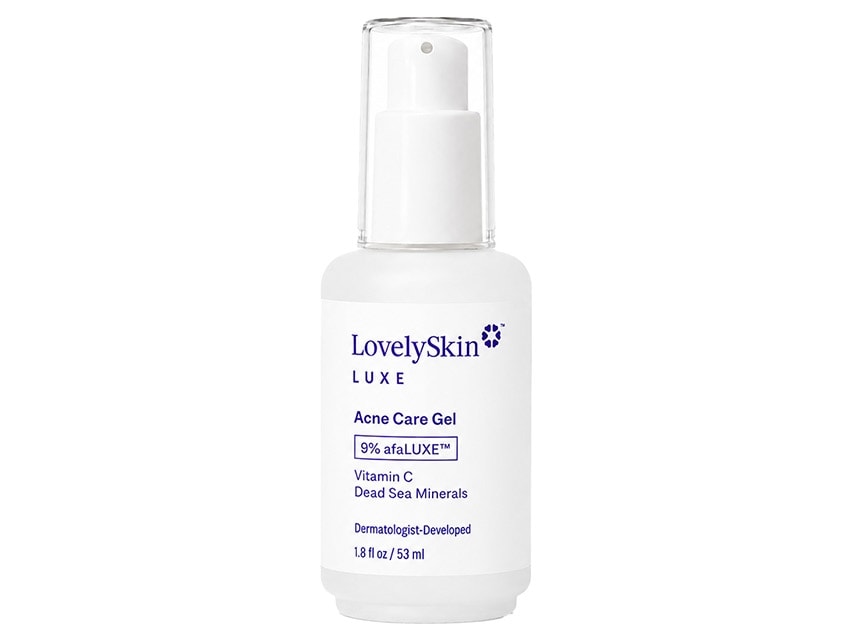
LovelySkin LUXE Acne Care Gel 9%
This gentle yet effective acne treatment gel is formulated with a blend of amino-based filaggrin antioxidants, called afaLUXE™, that work to improve skin's ability to retain moisture while gently exfoliating to remove dead skin cells, oil and debris. Vitamin C and Dead Sea minerals work to stimulate collagen production, minimize visible signs of aging and treat existing blemishes for brighter, clearer skin.
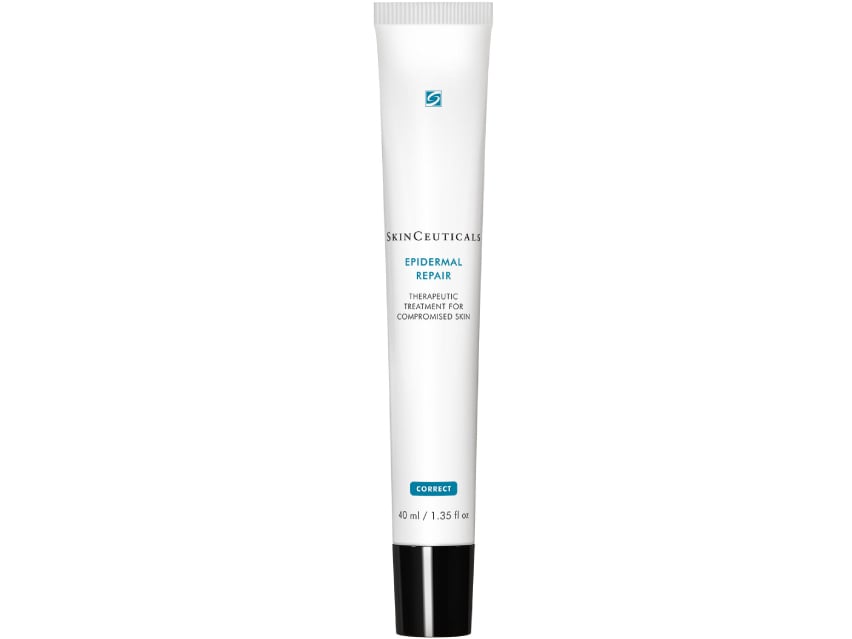
SkinCeuticals Epidermal Repair Soothing Cream
This comforting face cream combines beta-glucan and centella asiatica to comfort stressed skin and support barrier recovery. The nourishing yet lightweight formula helps to reduce the look of redness while restoring a smoother, calmer appearance—ideal for dryness and irritation.
Looking for more expert advice? Learn about the difference between exosomes and growth factors in skin care and if they live up to the hype on the LovelySkin blog.
Follow us on social
Follow us on social networks and be one of the first to learn about sales, giveaways, and free samples