Does dairy cause acne? Board-certified dermatologists weigh in
Are dairy consumption and acne related?
"Full stop: Dairy can cause and aggravate acne. But, and there always is a but here, some people can drink all the milk they want and not have issues, so it is dependent upon your hormonal triggers and genetics,” says board-certified dermatologist Dr. Daniel Schlessinger.
So why does dairy cause acne in some people? The cows that produce milk are often fed a toxic cocktail of hormones in order to make them produce more. These hormones also allow cows to be milked while they are pregnant, which means the existing hormones are compounded with other, unnatural hormones that can and do have effects beyond the skin.
One other cause may be insulin: milk can spike insulin levels disproportionate to its sugar content, triggering a hormonal response that stimulates oil production in the skin. If you’re reading this, you probably already know that increased oil creates more opportunity for clogged pores, which can lead to breakouts.
Does skim milk cause acne more than other dairy?
Another surprising fact is that skim milk may be a stronger trigger than full-fat milk.
"When fat is removed from milk, you lose some of the components that may help moderate the level of hormones in it," explains Dr. Daniel Schlessinger. "Full-fat milk contains fatty acids that aren't present in skim milk, and those may play a role in neutralizing the hormones."
But does milk cause acne across the board? Not necessarily. Cooked dairy, cheese and yogurt haven't shown the same consistent connection in the research, making other types of dairy potentially less concerning.
Can whey protein and hormones in cow's milk cause breakouts?
If you're someone who uses whey protein supplements, there can be a connection to acne as well. Whey is one of the two main proteins found in cow's milk, and research has found a positive association between whey protein consumption and acne risk. Additionally, protein and creatine powders often contain hormones that were intentionally or unintentionally included.
The relation between acne and milk may come down to what's actually in cow's milk. Beyond the proteins, milk naturally contains hormones including estrogen, progesterone and androgen precursors that can interact with your skin. These hormones, combined with milk's ability to raise IGF-1 (a growth hormone that signals your oil glands to produce more sebum), can set off a chain reaction that makes breakouts more likely.
"This is why we don't just look at dairy as a whole," says Dr. Daniel Schlessinger. "The hormonal components in cow's milk, combined with how certain proteins like whey affect IGF-1 levels, give us a more complete picture of why some patients see a connection between their diet and their acne."
Does milk chocolate give you acne?
When it comes to sweets, the research doesn’t point to a clear connection. Full-fat dairy products haven't shown the same consistent link to breakouts that skim milk, hormones and whey protein have. If you're concerned, it's worth tracking your own skin's response and discussing it with your dermatologist.
Can dairy alternatives cause breakouts?
Swapping cow's milk and whey protein for vegetarian options doesn't automatically mean clearer skin, but if you’re wondering if soy milk causes acne, the research actually points in the other direction. Soy contains isoflavones, which are plant-based compounds shown in clinical research to reduce DHT levels, a hormone closely linked to breakouts. As for other dairy alternatives, such as oat milk, there isn’t enough evidence to point one way or the other.
The link to diet and acne
Research makes one thing clear: diet can influence acne, but the relationship is nuanced and varies by person, population and dietary pattern. “However,” board-certified dermatologist Dr. Joel Schlessinger says, "your diet is just one variable in a very complex condition. Genetics, hormones, bacteria, yeast, sweat, the products you use and how consistently you wash and treat your skin can all play a role in acne breakouts — and diet is only a small piece of what we look for. That said, if someone is dealing with stubborn acne and drinking a lot of skim milk, that's worth considering alongside everything else. This is why it's so important to discuss your concerns with a board-certified dermatologist."
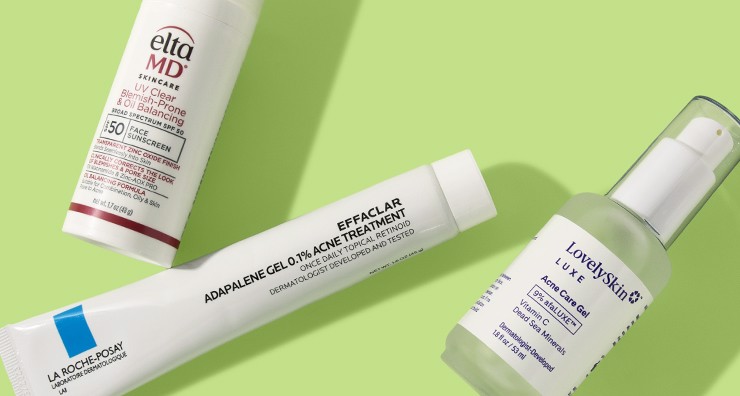
A consistent routine is one of the most effective things you can do for acne-prone skin, regardless of what's happening with your diet. Here are the products Drs. Joel and Daniel Schlessinger recommend.
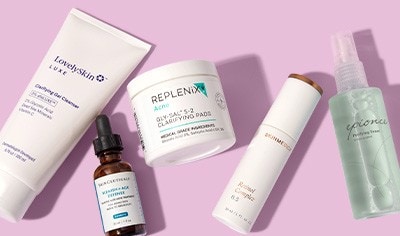
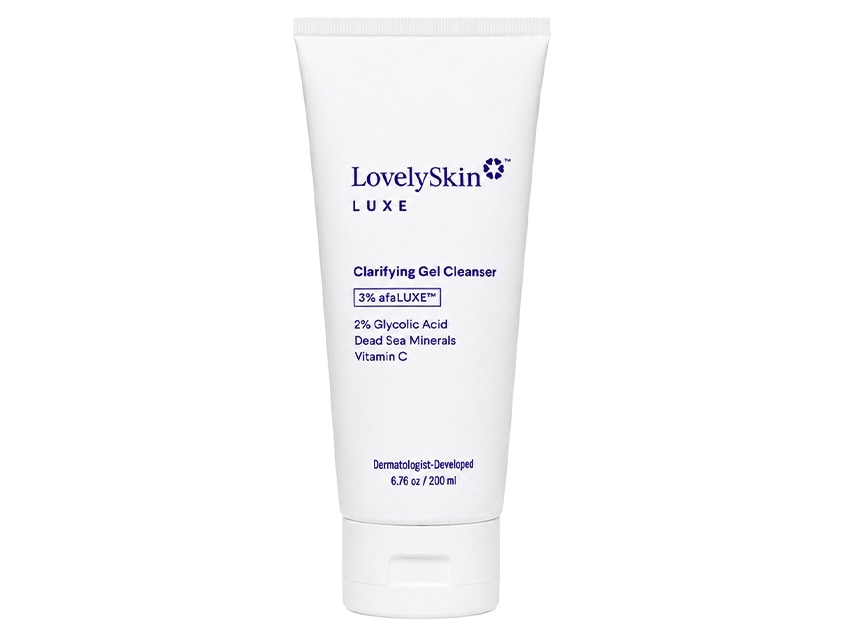
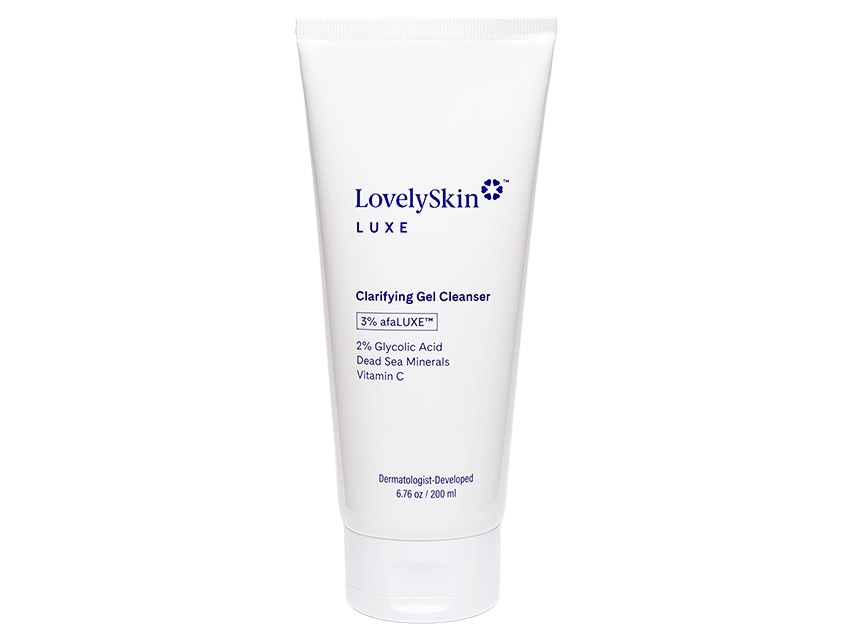 LovelySkin LUXE Clarifying Gel Cleanser
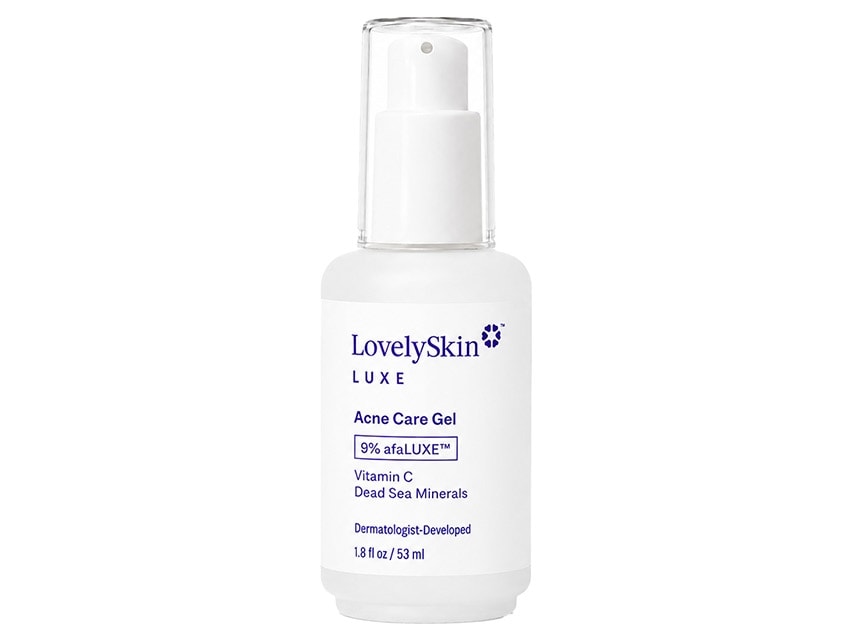
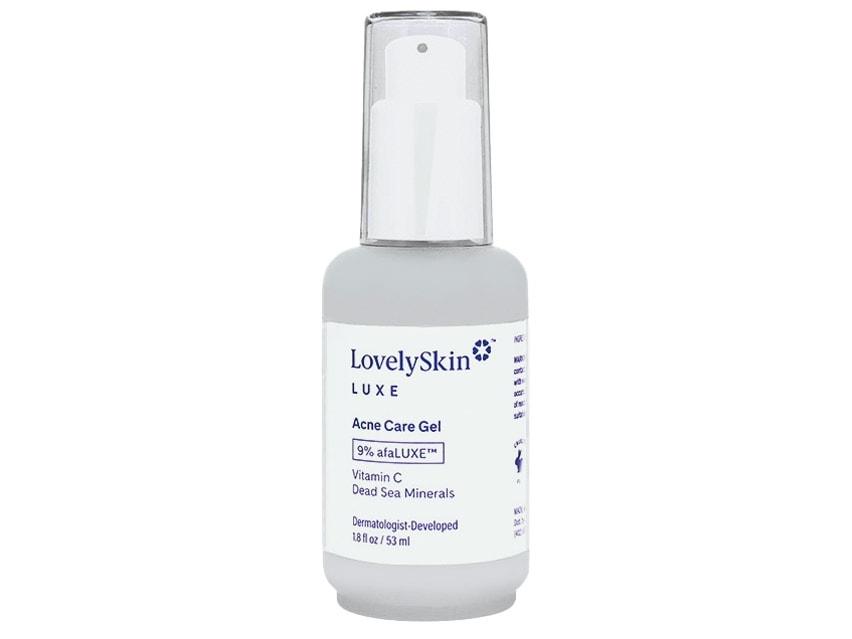 LovelySkin LUXE Acne Care Gel 9%
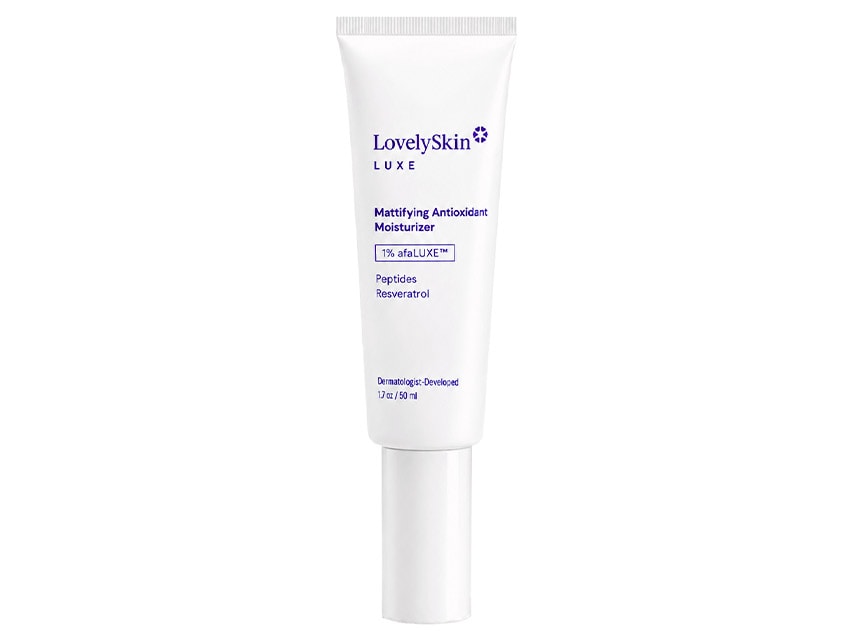
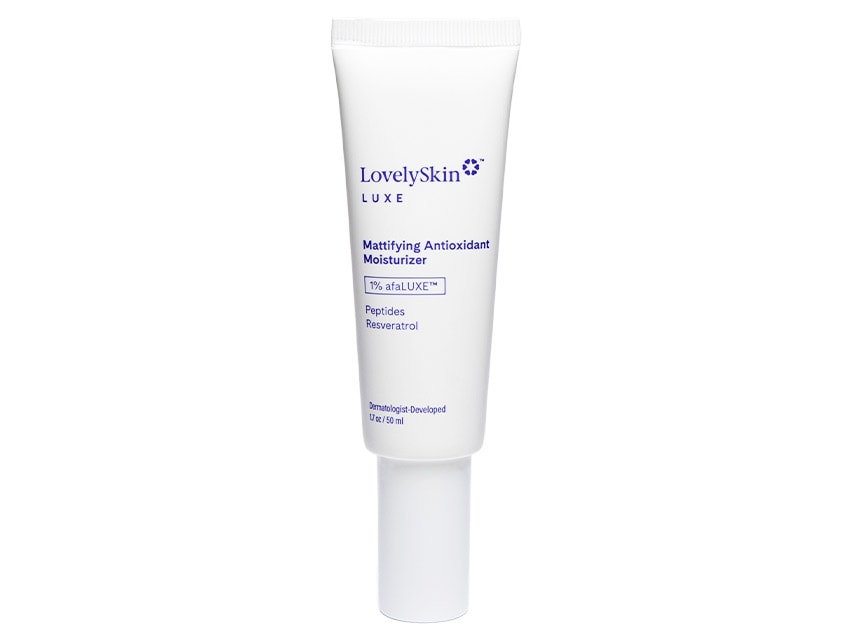 LovelySkin LUXE Mattifying Antioxidant Moisturizer
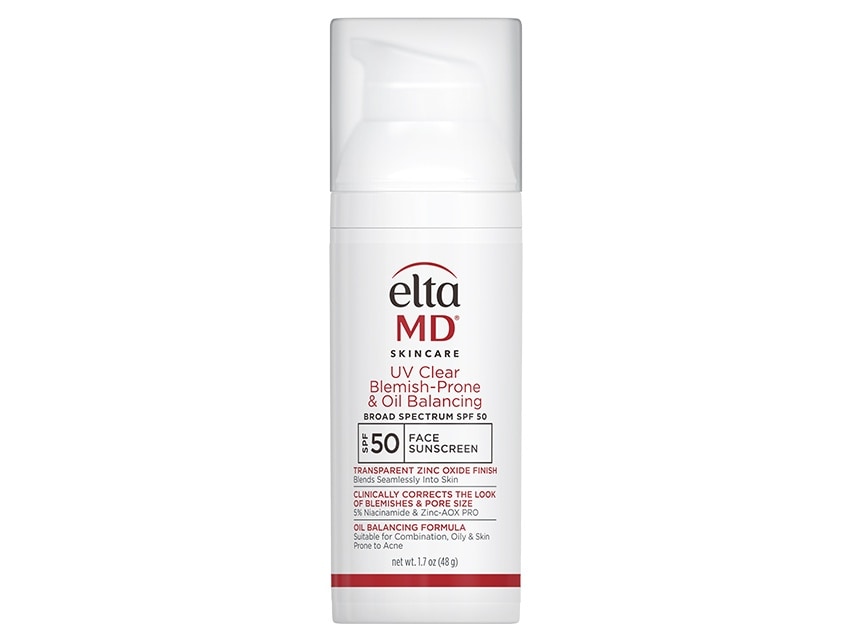 EltaMD UV Clear Blemish-Prone & Oil Balancing SPF 50
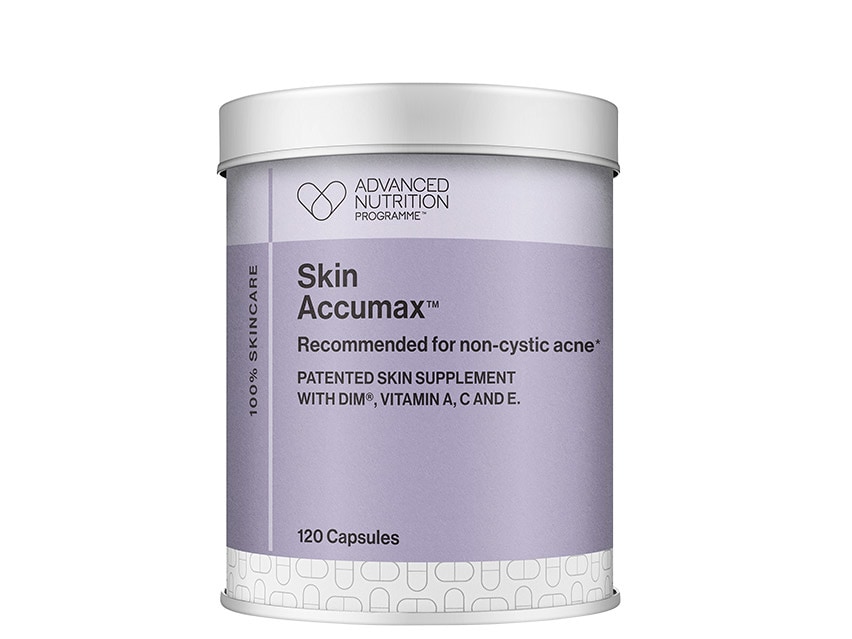 jane iredale Skin Accumax Dietary Supplement
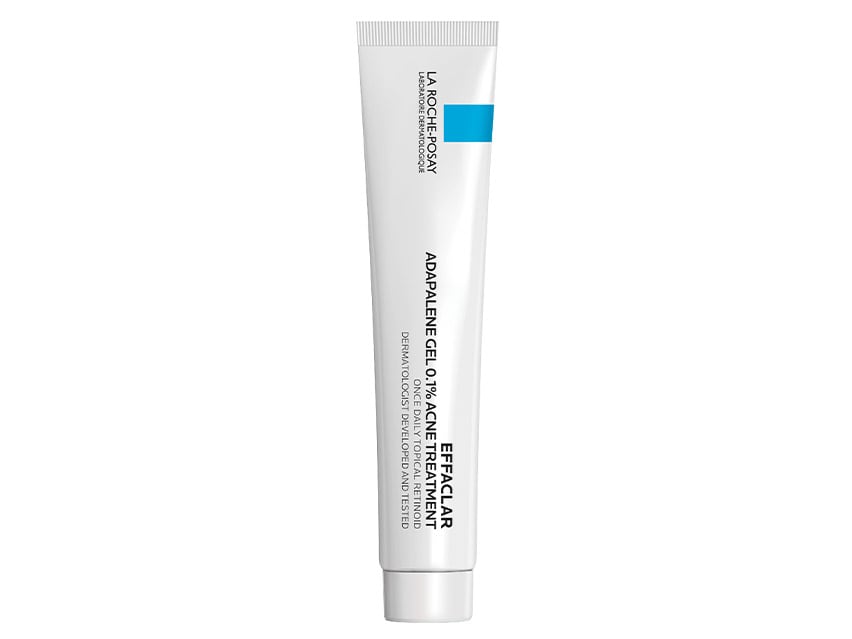 La Roche-Posay Effaclar Adapalene Gel 0.1%
LovelySkin LUXE Clarifying Gel Cleanser: A clean start matters, and this exfoliating cleanser does just that. It’s made with 2% salicylic and glycolic acid, as well as 3% afaLUXE™ to boost cell turnover and minimize breakouts.
LovelySkin LUXE Acne Care Gel 9%: Made with dermatologist-developed afaLUXE™, this targeted treatment gently exfoliates skin, maintains skin’s moisture barrier, and prevents clogged pores. It’s also made with vitamin C and Dead Sea minerals to boost collagen production and even skin tone.
LovelySkin LUXE Mattifying Antioxidant Moisturizer: Moisturizer is a non-negotiable step even for oily, acne-prone skin, and this lightweight formula controls shine without clogging pores. It’s enriched with antioxidant-rich resveratrol to defend against free radical damage and peptides to address visible signs of aging.
EltaMD UV Clear Blemish-Prone & Oil Balancing SPF 50: Sun protection is essential no matter your skin type, and this lightweight sunscreen is perfect for acne-prone skin. It contains niacinamide to minimize blemishes and Zinc-AOX Pro technology, a blend of antioxidants with zinc oxide, to defend against UV rays, blue light and environmental stressors.
Jane Iredale Skin Accumax Dietary Supplement: For an inside-out approach to acne care, Skin Accumax combines vitamins A, C and E with DIM (diindolylmethane), a plant-derived nutrient that supports healthy hormone metabolism and sebum regulation. It's a thoughtful complement to topical treatments, especially for hormonal or persistent breakouts.
La Roche-Posay Effaclar Adapalene Gel 0.1% Acne Treatment: Adapalene is a retinoid that works by normalizing skin cell turnover and preventing the clogged pores that lead to breakouts. Available over the counter, it makes dermatologist-grade acne treatment more accessible than ever.

About the Author
Ashley is a Digital Content Specialist at LovelySkin with a passion for non-fiction and poetry writing. In her spare time, she enjoys trying new lip products, spoiling her pets, going to concerts, and reading.
Other Posts by AshleyWhat is fungal acne? Causes, symptoms an...
The best skin care-infused makeup for he...
Follow us on social
Follow us on social networks and be one of the first to learn about sales, giveaways, and free samples