High vs low porosity hair: Expert tips on how to care for each type
Understanding your hair's porosity is the key to unlocking its full potential. Whether your strands seem to repel moisture or drink it up like a sponge, knowing how your hair behaves can transform your entire hair care routine.
With the help of LovelySkin’s Jenny Meyer, Cosmetologist, Vendor Relations Manager and resident hair care expert with years of experience treating damaged tresses, we'll explore the differences between high vs. low-porosity hair and help you choose the right products for your hair type. In this blog, we’ll discuss:
- What is hair porosity?
- How to determine your hair porosity
- Understanding low-porosity hair
- The best products for low-porosity hair
- Understanding high-porosity hair
- The best products for high-porosity hair
What is hair porosity?
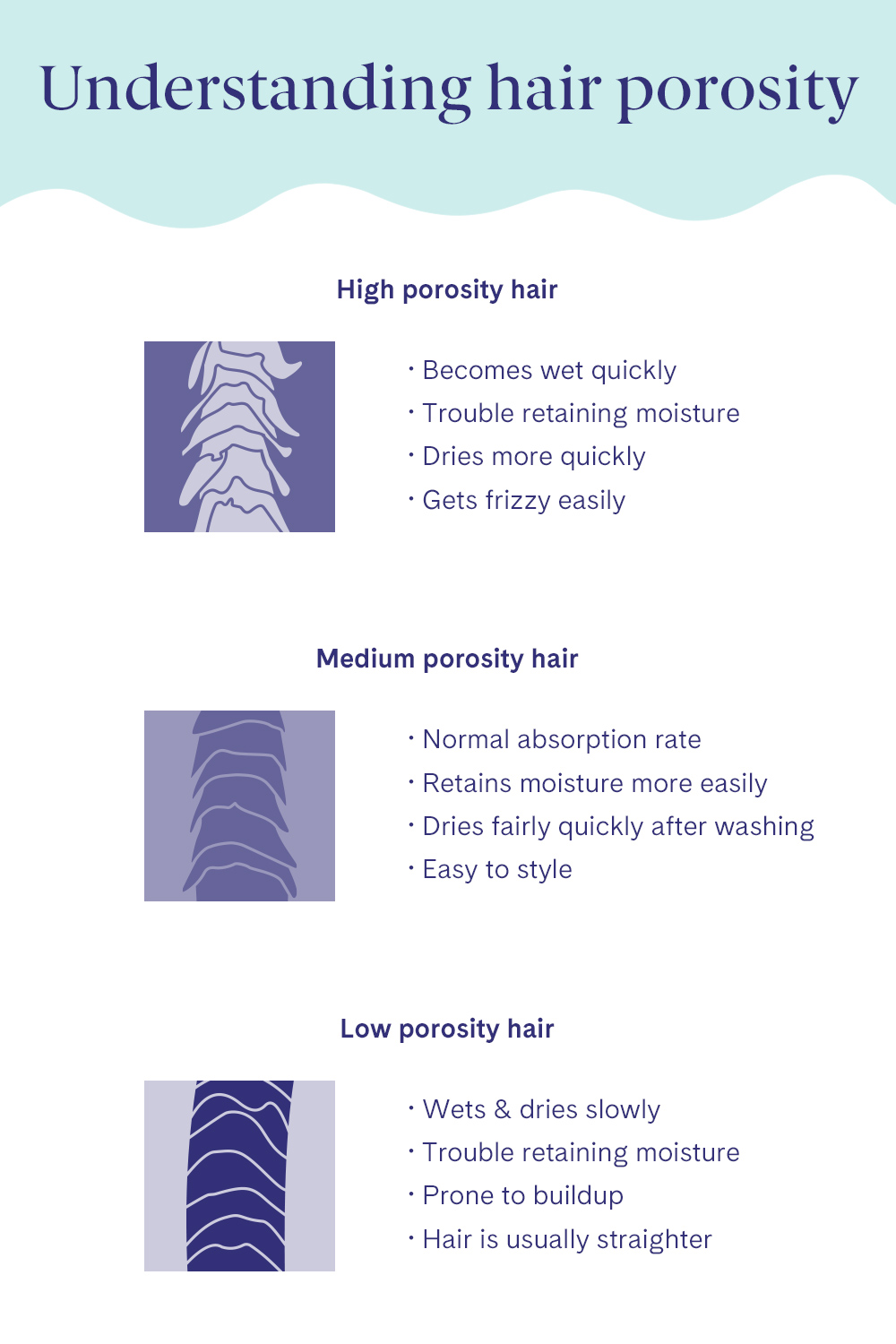
Hair porosity refers to your hair's ability to absorb and retain moisture. It's determined by the structure of your hair's cuticle layer, the outermost protective layer of the hair strand. Think of hair porosity like a sponge: low porosity hair has tightly closed cuticles that resist moisture. In contrast, high porosity hair has more open cuticles that allow moisture to pass in and out more easily.
Jenny explains, “Many people think you either have low or high hair porosity, but hair porosity can change based on a number of factors. Just like your skin, hair porosity changes as we age, due to hormonal shifts and changes in our environment or lifestyle.”
Damage from heat, coloring, chemicals or UV rays can weaken the cuticle and increase porosity, causing hair to lose moisture more easily. While porosity can’t be permanently changed, protein-rich masks, bond building formulas and leave-in treatments can help smooth and strengthen the hair cuticle.
How to determine your hair porosity
Before committing to any hair care routine, it's crucial to identify your hair type. The most popular hair porosity test is the float test.
Take a clean strand of hair and place it in a glass of water. If it floats on top after a few minutes, you likely have low porosity hair. If it sinks quickly, you probably have high porosity hair. Hair that floats in the middle indicates normal porosity.
Another method is the slip test. Run your fingers up a strand of hair from tip to root. If it feels smooth, you likely have low porosity hair. If it feels bumpy or rough, you probably have high porosity hair.
Understanding low-porosity hair
Low-porosity hair has cuticles that lie flat and tight, making it resistant to moisture absorption. This hair type often takes longer to get wet and air dry. Products may appear to sit on top of strands rather than soaking into the hair, which can lead to buildup and weigh the hair down over time. However, once moisture penetrates the cuticle, it tends to stay locked in longer than in other hair types.
The best products for low porosity hair
Low-porosity hair products should focus on lightweight formulas that won't weigh hair down. Here are a few of our favorite products for low porosity hair:
Best shampoo for low porosity hair
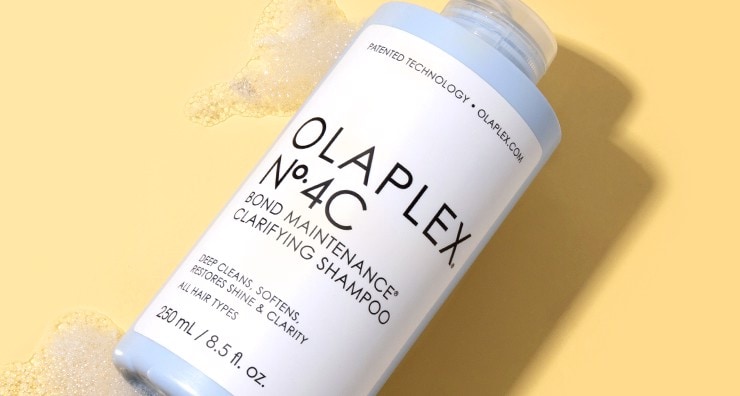
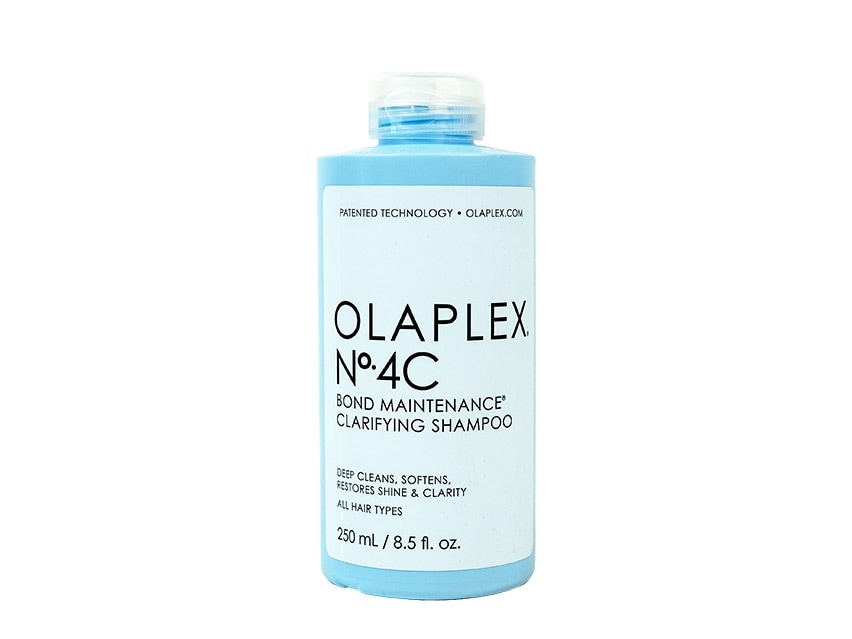
OLAPLEX No. 4C Bond Maintenance Clarifying Shampoo
This shampoo for low porosity hair effortlessly cleanses and clarifies hair, removing excess buildup without stripping hair of moisture.
However, Jenny notes, “While clarifying shampoos effectively remove buildup, overuse can strip natural oils and hair dyes, leaving hair dull, dry or prone to frizz. Be sure to consult a trusted cosmetologist to make sure it's the right fit for your hair.”
Best oil for low porosity hair
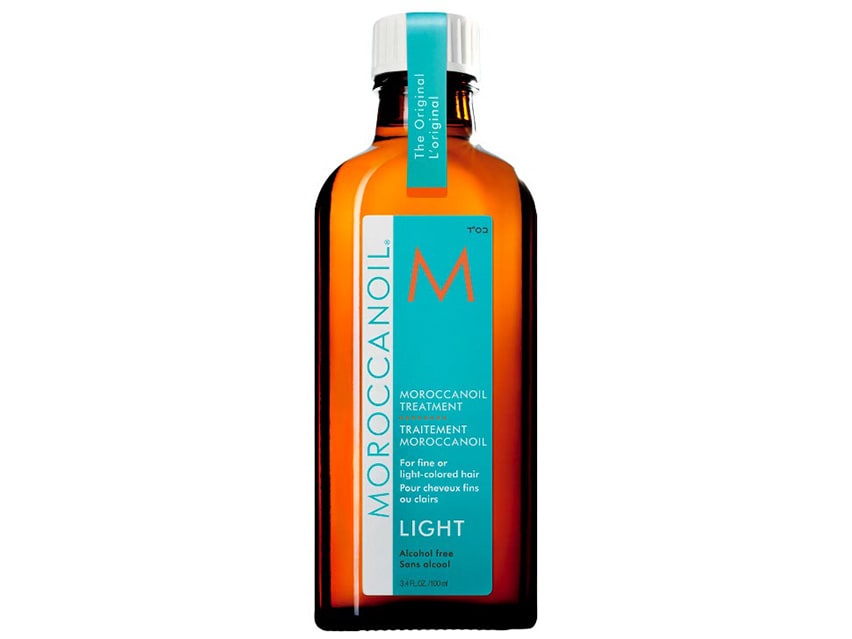
Moroccanoil Moroccanoil Treatment Light
This lightweight hair treatment features antioxidant-rich argan oil and linseed (flax) seed extract to nourish, strengthen and hydrate low-porosity hair.
Best conditioner for low porosity hair
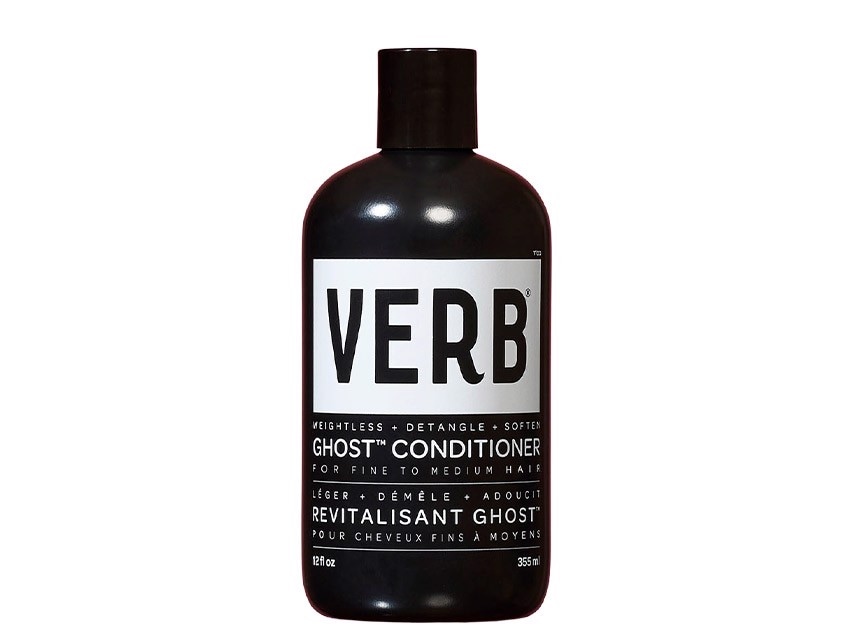
Verb Ghost Conditioner
This lightweight conditioner delivers essential moisture without the use of heavy oils or proteins that can build up on tightly closed cuticles, leaving hair soft and manageable with no residue.
Understanding high porosity hair
High porosity hair has cuticles that are raised or damaged, allowing moisture to enter easily. This can occur naturally or due to chemical processing, heat damage or environmental factors. "High porosity hair tends to feel dry and may appear frizzy or dull because it loses moisture as quickly as it absorbs it," explains Jenny.
The best products for high porosity hair
Hair products for high porosity hair should focus on sealing in moisture and smoothing the cuticle. Here are a few we recommend:
Best shampoo for high porosity hair
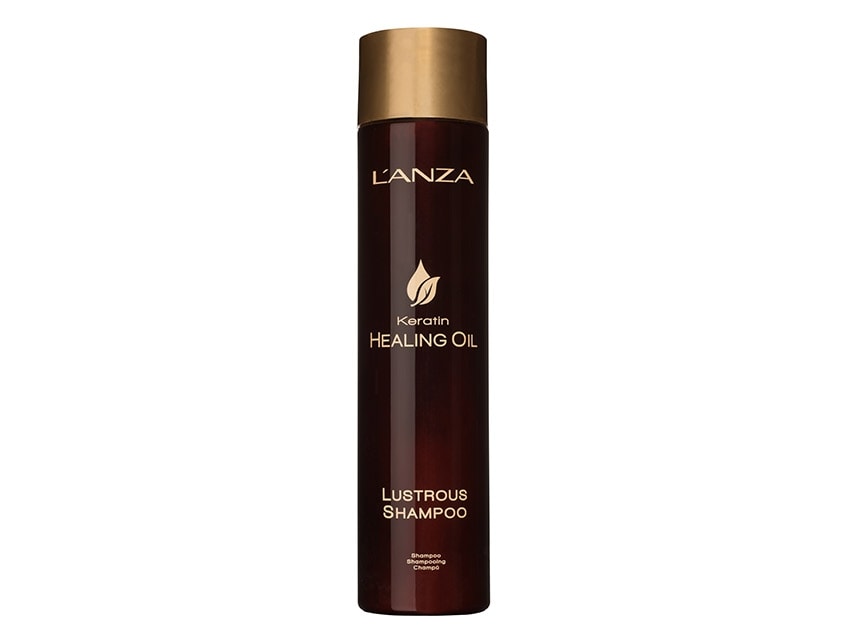
L'ANZA Keratin Healing Oil Lustrous Shampoo
This gentle, cleansing shampoo is formulated with keratin proteins to help fill in gaps across damaged cuticles and restore hair's structural integrity.
Best leave-in treatment for high porosity hair
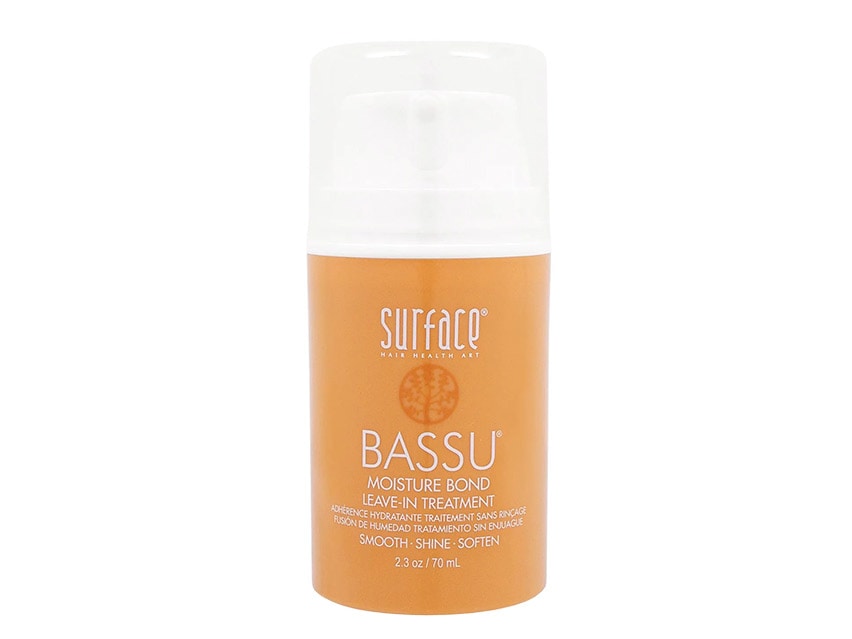
Surface Bassu Moisture Bond Leave-In Treatment
This silky treatment creates a protective barrier that seals moisture into the hair shaft while preventing environmental damage from further opening the cuticles.
Best conditioner for high porosity hair
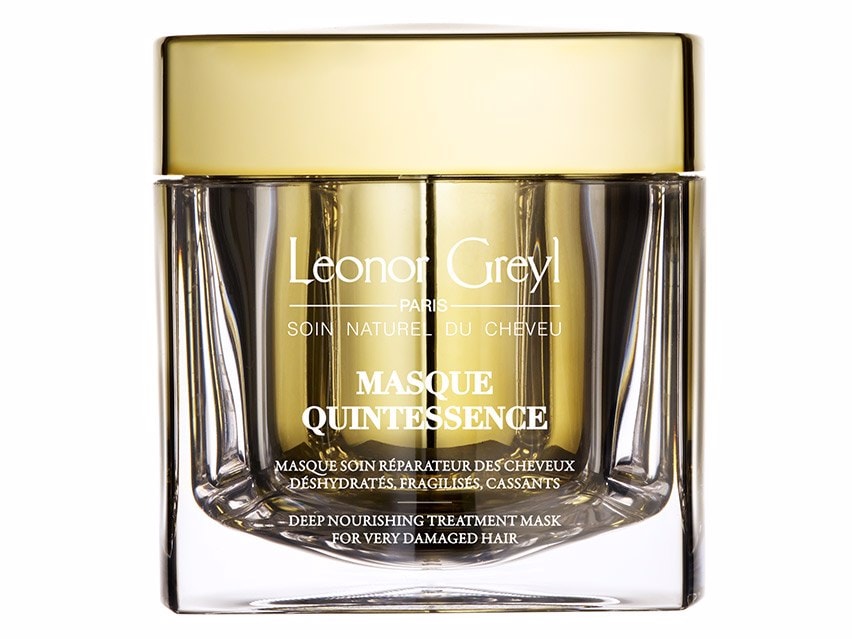
Leonor Greyl Masque Quintessence Deep Conditioning Hair Mask for Damaged Hair
Formulated with concentrated nutrients and proteins, this deep conditioner for high porosity hair works to repair cuticle damage while providing lasting hydration.
Looking for more hair care intel? You can check out our favorite deep conditioners, sulfate-free shampoos and dandruff solutions on the LovelySkin Blog.
Niacinamide vs vitamin C: How to use the...
Do wrinkle patches actually work? The sc...
Follow us on social
Follow us on social networks and be one of the first to learn about sales, giveaways, and free samples