Eczema can make everyday feel like a challenge, affecting your quality of life and overall health. Dryness, itching, redness and irritation can interfere with your comfort and leave skin feeling sensitive, especially during a flare-up. While there is no cure for eczema, there are proven treatments. A consistent skin care routine and a few simple lifestyle changes can help manage symptoms and support a healthier-looking skin barrier.
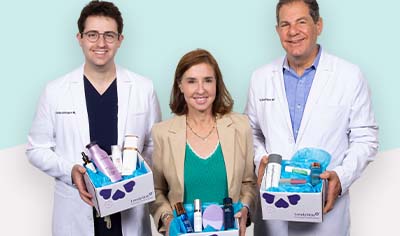
Below, board-certified dermatologists Dr. Joel Schlessinger and Dr. Daniel Schlessinger share practical tips for caring for eczema-prone skin, minimizing common triggers, what to use for eczema and knowing when to seek professional treatment.
What is eczema?
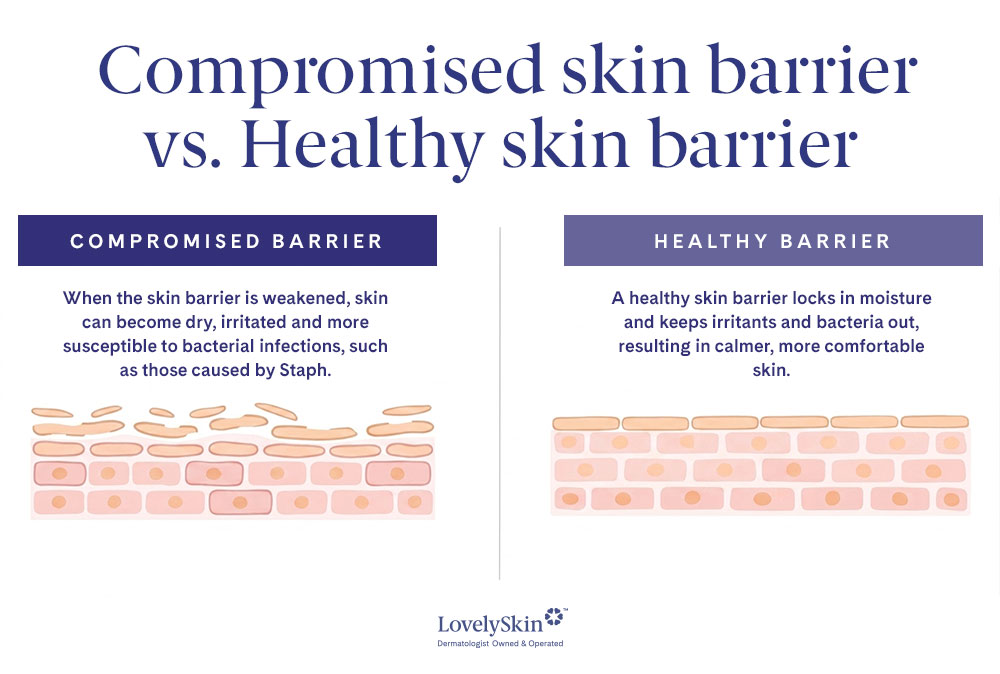
Eczema is a chronic skin condition that weakens your skin’s natural barrier, making it more difficult to retain moisture and protect against potential irritants. This can leave skin more vulnerable to dryness and inflammation, triggering an itch-scratch cycle that can significantly impact daily life.
Atopic dermatitis is the most common type of eczema and often develops in childhood but can affect people of all ages. It tends to come and go, with calm periods followed by flare-ups.
“My goal is to restore skin back to a normal state, then keep skin comfortable and healthy with good skin care that optimizes the skin barrier,” explains board-certified dermatologist Dr. Joel Schlessinger. “Protecting your skin barrier on the good days is the best way to keep skin healthy during more challenging times of year, like winter.”
Although eczema symptoms can come and go, identifying personal triggers and following an appropriate treatment plan can help make flare-ups easier to manage.
What causes eczema flare-ups?
Triggers vary from person to person, but some of the most common include:
- Anything with fragrance, including perfumes, colognes and certain soaps
- Tide detergent, Bounce Pads, fabric softeners and bleaches in your laundry
- Hot showers and long baths
- Hard water
- Cold, dry winter air
- Wool and scratchy fabrics
- Sweat and heat
- Skin infections, especially staphylococcus aureus and MRSA
Tracking when your flare-ups happen can help you spot patterns and avoid your personal triggers.
Everyday tips for managing eczema
Small changes to your daily routine can go a long way toward keeping your skin calm and comfortable.
Keep showers short and lukewarm
Hot water strips away the natural oils your skin needs to stay protected. Limit showers and baths to five to ten minutes and use lukewarm water instead. When you’re done, gently pat your skin dry with a soft towel rather than rubbing.
Switch to a gentle cleanser
Harsh bar soaps and fragranced body washes can leave eczema-prone skin tight and irritated. Look for fragrance-free cleansers made specifically for sensitive or compromised skin, such as fragrance-free Vanicream Cleansing Bar.
Moisturize while your skin is still damp
When you come out of the shower, gently pat dry with a towel to leave small amounts of water on skin, then immediately apply moisturizer to lock in hydration. Thick creams and balms are generally a better fit for eczema than lightweight lotions. Look for barrier-supporting ingredients like ceramides, colloidal oatmeal and shea butter. Reapply throughout the day, especially after washing your hands.
“If you suffer from eczema and live in an area of the world with hard water, I strongly recommend getting a water softener in your home,” shares board-certified dermatologist Dr. Daniel Schlessinger. “After coming out of the shower, quickly applying moisturizer to damp skin makes a noticeable difference in how long your skin stays comfortable.”
Wear soft, breathable fabrics
Cotton and other soft, natural fabrics are less likely to irritate your skin. Wool and scratchy synthetic materials can rub against skin and trigger itching. Wash new clothes before wearing them, as they may contain formaldehyde-releasing chemicals that can irritate the skin. Also, choose a fragrance-free, dye-free laundry detergent such as All Free and Clear. Avoid Tide detergent, Bounce Pads, bleaches and fabric softeners.
“It’s important to remember that even if you make smart choices, if you have family members who use skin-irritating detergents, those can stay in your washing machine for at least five loads.” explains Dr. Joel Schlessinger. “I suggest that my patients ask their family members to use All Free and Clear only. I also recommend avoiding laundromats or public washers and dryers.”
Add moisture to the air
Dry indoor air pulls moisture from your skin, especially during the colder months. Running a humidifier in your bedroom at night can help keep skin from drying out.
Try not to scratch
Scratching further damages the skin barrier and raises your risk of infection. Try to keep your nails short and reach for a cool compress when itching strikes. Wearing soft cotton gloves to bed can also help prevent scratching while you sleep.
“If you’re scratching, despite these measures, it’s best to see a board-certified dermatologist.” explains Dr. Daniel Schlessinger. “There are excellent medications like Dupixent that can literally change lives and result in totally healed skin. In children with eczema, starting on Dupixent has been linked to increased sleep quality for children and their caregivers, resolution of short stature and improved neurodevelopmental health.”
Manage stress and sweat
Stress is one of the most common eczema triggers. Regular exercise, a consistent sleep schedule and relaxation techniques like deep breathing can all help. If you work out, be sure to rinse off and moisturize soon after, since sweat can irritate sensitive skin.
Be aware of skin infections
“Think of skin with eczema like peeling paint on a car,” explains Dr. Daniel Schlessinger. “Once the barrier is broken down, all kinds of bad stuff can get in, like rust, mud and dirt. The same is true of the microbiome within the compromised skin barrier with eczema. Infections such as Staphylococcus aureus, MRSA and the HSV virus can all thrive.”
Eczema typically appears as dry, reddish, scaly patches. If these patches begin weeping, oozing, crust or become painful, it may be a sign that you have a skin infection. It’s crucial to see a board-certified dermatologist who can help diagnose and treat skin infections.
“The balance of bacteria on the skin is disrupted in eczema,” explains Dr. Joel Schlessinger. “Sometimes, treating eczema is as simple as treating the infections that have taken hold.”
When to see a dermatologist
Over-the-counter products can help manage mild eczema, but some cases need professional care. Make an appointment with a board-certified dermatologist if:
- Itching keeps you up at night
- Symptoms don’t improve after a week of at-home treatment
- Skin oozes, crusts or becomes painful
- Flare-ups spread or happen more often
- Eczema interferes with your daily life
A dermatologist can recommend prescription options based on your symptoms, including topical steroids, nonsteroidal creams and injectable medications for more severe cases.
“There’s no reason to live day after day with uncomfortable or painful skin,” says Dr. Joel Schlessinger. “If your eczema isn’t responding to a good at-home routine, a dermatologist can help you find a treatment plan that works for you.”
Dermatologist-approved products for eczema-prone skin
Living with eczema requires a consistent skin care routine and, with the right products, you can help your skin feel more comfortable every day. These dermatologist-approved products are a great place to start.
 FixMySkin 1% Hydrocortisone Healing Body Balm – Fragrance-Free
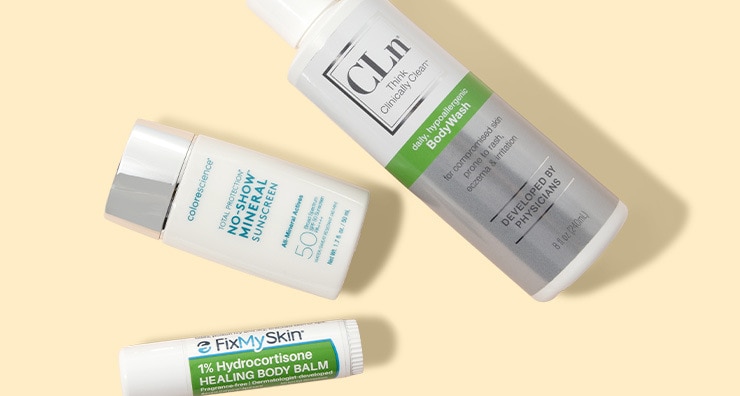
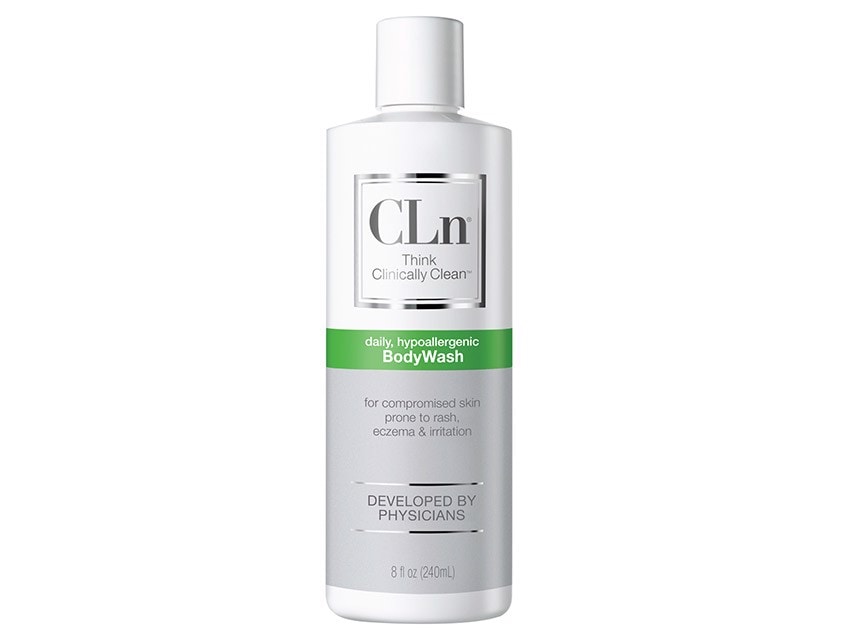 CLn BodyWash
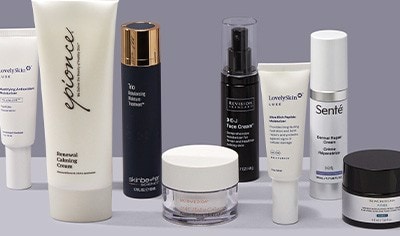
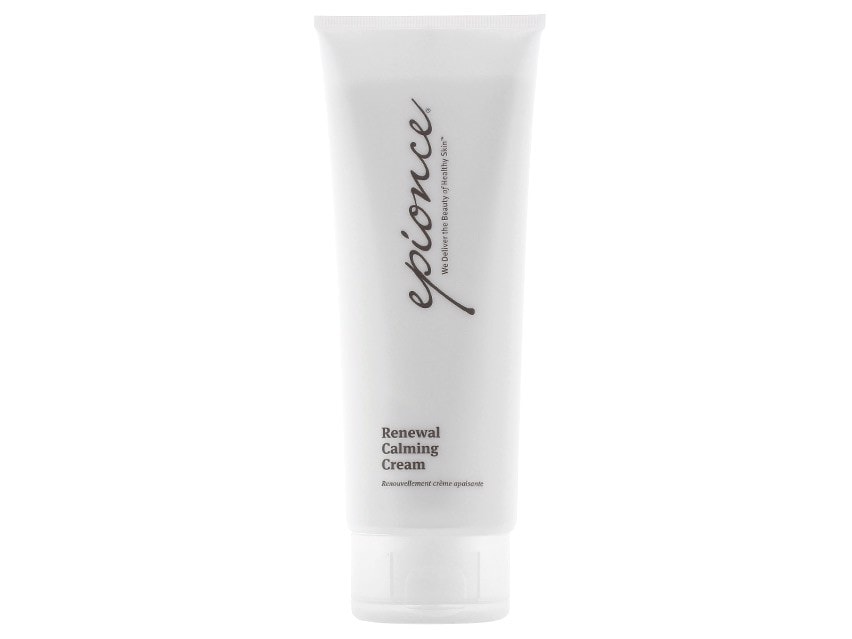 Epionce Renewal Calming Cream
 Avene Tolerance Control Soothing Skin Recovery Cream
 La Roche-Posay Lipikar AP+MAX Triple Repair Moisturizing Cream
 Vanicream Daily Facial Moisturizer
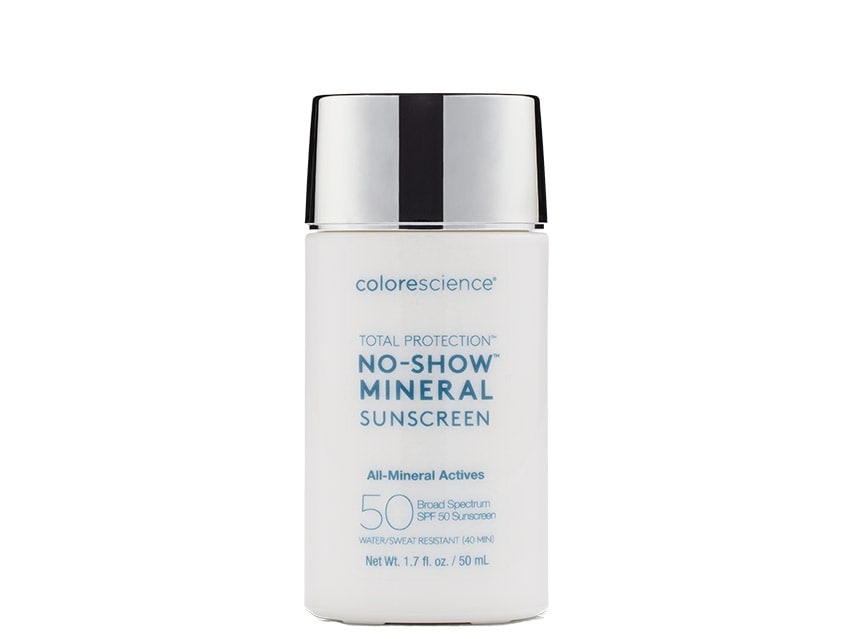
 Colorescience Total Protection™ No-Show™ Mineral Sunscreen SPF 50
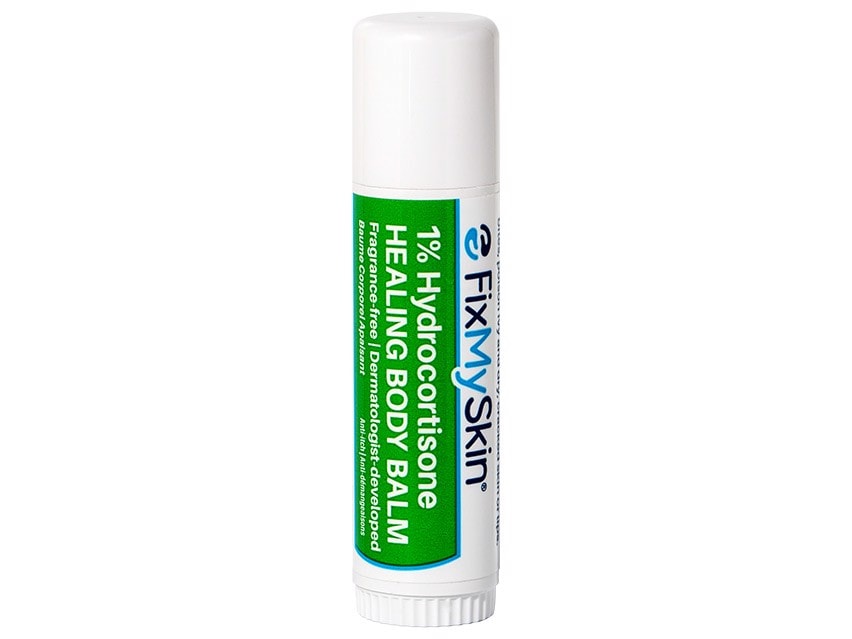
FixMySkin 1% Hydrocortisone Healing Body Balm – Fragrance-Free
Developed by Drs. Joel and Daniel Schlessinger, this balm stick contains 1% hydrocortisone to temporarily relieve itching and inflammation from eczema and other skin irritations. Shea butter, cocoa butter and meadowfoam seed oil soften and moisturize, and the no-mess stick makes it easy to target small areas on the go.
CLn BodyWash
How to stop scratching eczema often starts in the shower. This physician-developed cleanser contains sodium hypochlorite, delivering the benefits of a bleach bath in a gentle, non-drying daily body wash. One to two minutes of lathering on wet skin helps reduce the look of redness, dryness and flakiness.
Epionce Renewal Calming Cream
Formulated with colloidal oatmeal, this fragrance-free cream helps relieve the itching, redness and dryness that come with eczema. Ceramides and cholesterol support the skin barrier, while meadowfoam and safflower seed oils deliver lasting hydration to the face and body.
Avene Tolerance Control Soothing Skin Recovery Cream
This face cream features D-Sensinose™, a postbiotic that quickly calms skin discomfort, along with Avene Thermal Spring Water to soothe and soften. Its biomimetic formula helps restore the skin barrier, and its sterile, preservative-free and fragrance-free formulation makes it ideal for highly reactive skin.
La Roche-Posay Lipikar AP+MAX Triple Repair Moisturizing Cream
Accepted by the National Eczema Association, this rich body cream combines shea butter, niacinamide and ceramide NP to help repair the skin barrier and provide 48-hour hydration. It also contains Neurobioma™, a postbiotic that helps reduce itching due to dryness, and it’s gentle enough for the whole family.
Vanicream Daily Facial Moisturizer
This lightweight face moisturizer contains five ceramides and hyaluronic acid to hydrate skin and help it hold onto moisture. Squalane and glycerin add softness, and the formula is free of fragrance, dyes, lanolin, parabens and botanical extracts.
Colorescience Total Protection™ No-Show™ Mineral Sunscreen SPF 50
This sheer, all-mineral sunscreen provides SPF 50 protection with 10% non-nano zinc oxide that blends in without a white cast. Soothing bisabolol and hydrating silver ear mushroom extract help keep sensitive skin comfortable, while EnviroScreen® Technology defends against UVA/UVB rays, blue light, infrared radiation and pollution.
Interested in learning more ways to keep your skin comforted and healthy? Discover how to rebuild your skin barrier after over-exfoliating on the LovelySkin blog.
Follow us on social
Follow us on social networks and be one of the first to learn about sales, giveaways, and free samples